Your Complete Guide to Choosing a Dog Trainer in Altamont and surrounding areas
Life with a dog in Altamont means enjoying the wide-open spaces of the Uinta Basin. Your daily routine likely involves country roads, nearby canyons, and the possibility of encountering wildlife or livestock. A well-trained dog is essential here, not just for home life but for safety and good neighborly relations in this tight-knit community.
Since Altamont is part of Duchesne County, local rules are generally guided by county ordinances. Finding a trainer who understands the unique context of rural Utah living will help your dog thrive in this environment.
How to Choose the Right Trainer
Look for a professional who uses positive reinforcement methods and can set practical goals for your Altamont lifestyle. This means your dog should learn to respect livestock boundaries, stay calm around farm equipment, and have reliable recall even with the distractions of open land.
Credentials offer a good measure of a trainer’s education. Common dog trainer certifications to look for include the CPDT-KA for general knowledge or the IAABC-CDBC for serious behavior issues. For complex cases involving fear or aggression, a certification like the CBCC-KA shows specialized study.
In-home sessions are highly effective for addressing behaviors specific to your property, like door darting or barking at passing trucks. Group classes can be valuable for socialization, though you may need to travel to larger nearby towns for this option.
Common Dog Training Methods Explained
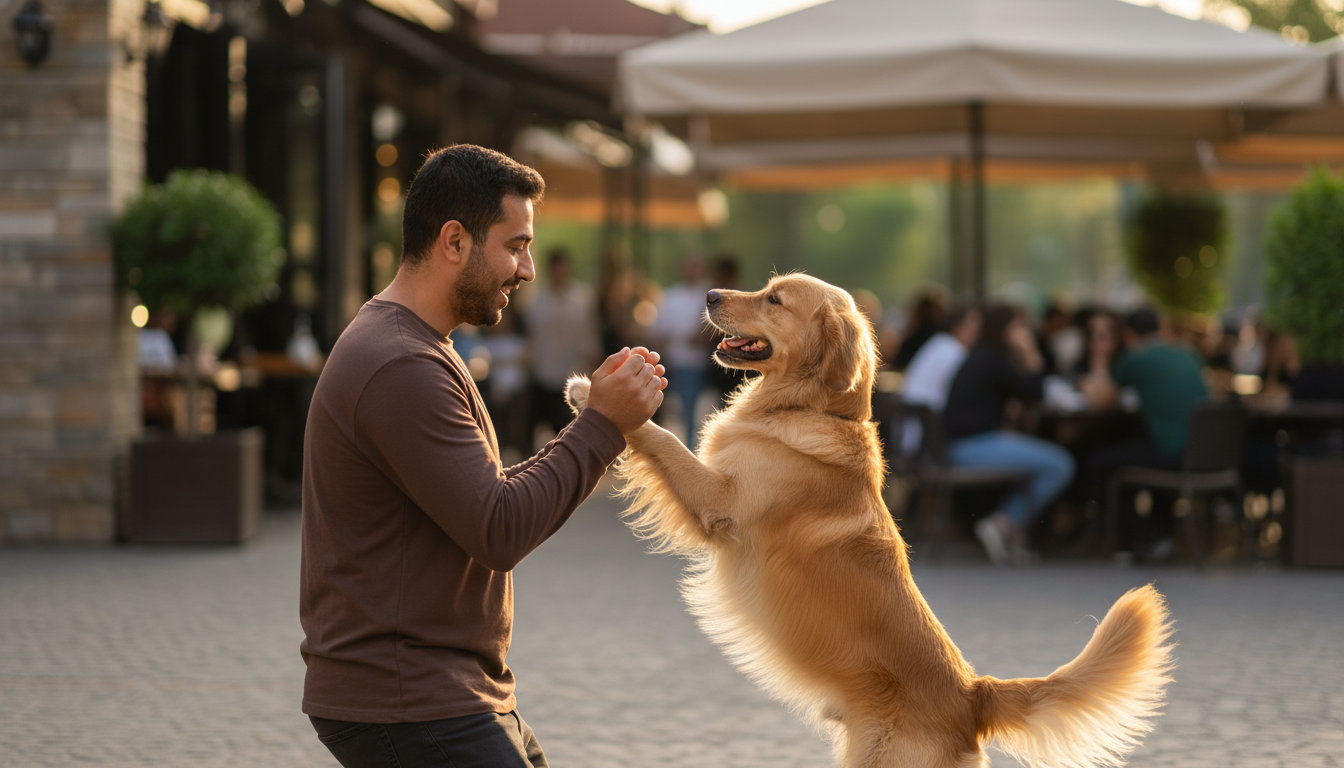
Reward-based training builds a strong bond and is the most effective way to create lasting good behavior. This approach aligns well with local expectations for quiet, controlled dogs in a rural setting.
Basic obedience covers sit, down, stay, come, and loose-leash walking. These skills are the foundation for keeping your dog safe around irrigation ditches, farm animals, and off-highway vehicles.
Puppy training focuses on early socialization, potty training, bite inhibition, and crate training. Starting early prevents habits that can be problematic in a community where dogs often have more space and freedom.
Behavior modification addresses issues like reactivity, resource guarding, or separation anxiety through careful, positive techniques. Given the rural setting, addressing car-chasing or livestock-chasing behaviors is often a priority.
Private lessons allow for a fully customized plan. Day training programs can be useful for busy households. Group classes help dogs learn to focus and behave politely around other dogs and people.
Specialized training, such as service dog or therapy dog training, requires a structured, step-by-step program to teach advanced skills and public access manners.
Avoid any trainer who relies on fear, intimidation, or pain to control a dog. Humane methods are safer, create more reliable results, and help maintain harmony with your neighbors.
Average Cost of dog training in Altamont, UT (Updated for 2026)
Pricing in Altamont and the Duchesne County area is influenced by the trainer’s travel distance and experience level. Many trainers serve a wider regional area. The following table reflects average costs for the region.
| Service Type | Average Cost (Region) |
|---|---|
| Puppy classes (6 weeks) | $120–$200 total |
| Group obedience classes (6 weeks) | $140–$225 total |
| Private lessons (60 min) | $80–$130 per session |
| In-home coaching packages (4-6 visits) | $350–$700 total |
| Day training (per week) | $400–$750 |
| Behavior consultation | $100–$180 |
| Board and train (2-3 weeks) | $1,500–$3,000 total |
Travel fees are common due to the rural nature of the area. Always ask what is included in the price and their policy for rescheduling sessions.
Questions to Ask a Potential Dog Trainer
- What is your primary training philosophy, and how do you use positive reinforcement?
- What professional certifications, like a CPDT-KA, do you hold?
- How familiar are you with training for rural environments and livestock safety?
- Do you offer in-home sessions given my location, and what are your travel fees?
- How will we track my dog’s progress and adjust the plan as needed?
- Can you provide proof of liability insurance?
- For behavior issues, are you willing to collaborate with my veterinarian?
- What is your cancellation policy and total cost for the recommended program?
Local Altamont Rules and Considerations
Duchesne County ordinances and Utah state law provide the framework for responsible dog ownership in Altamont. Understanding these helps keep your dog safe and avoids conflicts.
County-level leash laws require dogs to be under the owner’s direct control at all times. While a physical leash may not be mandated everywhere, a dog must not roam at large. A reliable recall is non-negotiable for safety.
Utah state law requires all dogs to have a current rabies vaccination administered by a licensed veterinarian. The rabies tag must be worn on the dog’s collar.
Excessive or continuous barking that disturbs neighbors can be considered a nuisance under county ordinances. Training to manage alert barking is important.
The State of Utah does not require a specific license to be a dog trainer. However, any trainer operating a business in Altamont must have a standard local business license. Trainers offering board and train services must comply with state kennel licensing regulations through the Utah Department of Agriculture and Food.
Professional dog trainers are strongly advised to carry general liability insurance. This protects both the trainer and the client in case of an incident.
Local Altamont Resources for Dog Owners
While Altamont itself has limited dedicated dog facilities, these nearby areas offer great spaces for training and exercise. Always verify current rules before visiting.
- Starvation Reservoir State Park: Leashed dogs are welcome on trails and in campgrounds. The park provides excellent settings for practicing leash skills around water and campground distractions.
- Duchesne City Park: A short drive away, this community park offers open spaces for leashed walks and basic obedience practice in a public setting.
- Uintah County Dog Park (Vernal): Located about an hour’s drive east, this fenced park is a dedicated space for off-leash play and recall training in a controlled environment.
- Ashley National Forest: The many trails and dispersed camping areas in this vast forest are perfect for hiking with a leashed, well-trained dog. This is the ultimate test for your dog’s focus in nature.
FAQs
How much does in-home dog training cost?
In the Altamont area, expect to pay between $80 and $130 per in-home session. Packages often provide better value. Travel fees may apply for remote locations.
Is in-home dog training worth it?
Yes, especially in a rural area. The trainer can address behaviors right where they happen—like barking at wildlife from your porch, bolting out the door, or reacting to livestock on your property.
Can you pay someone to house train your dog?
Yes. Many trainers include potty training as a core part of puppy programs. Some day training services can also accelerate the process by establishing a consistent routine.
What is the 3-3-3 rule for dog training?
This is a guideline for a newly adopted dog: 3 days to decompress, 3 weeks to learn your routines, and 3 months to feel fully at home. A good trainer will work with this adjustment period.
How long will it take to reach my training goals?
For basic obedience and manners, consistent practice over 4-8 weeks usually shows strong results. Behavior issues like fear or reactivity often require a longer-term commitment of several months.
What should I bring to group classes?
Bring a standard 6-foot leash, a well-fitted collar or harness, high-value treats, and your dog’s vaccination records. Wear comfortable shoes.
What’s the leash law in Altamont?
Duchesne County requires dogs to be under the owner’s direct control and not roaming at large. Using a physical leash is the safest and most reliable way to meet this requirement in public or near roads.
Do I need a dog license in Altamont or county?
Duchesne County does not have a general dog licensing program. However, Utah state law requires a current rabies vaccination, and the tag must be on your dog’s collar.
What shots does my dog need in county or Utah?
Rabies vaccination is legally required. Your veterinarian will also recommend a core vaccine series (like DHPP) and may suggest others based on your dog’s exposure risk.
Are dog trainers required to be licensed in Altamont or county or Utah?
Utah does not have a specific professional license for dog trainers. They must operate with a standard local business license. Facilities that board dogs, even for training, must be licensed as kennels by the state.
Where can I practice off-leash recall?
The Uintah County Dog Park in Vernal is the nearest dedicated, fenced area for safe off-leash practice. On private land with permission, you can also work on this critical skill.
Which dog parks allow training around Altamont
The Uintah County Dog Park in Vernal is the closest public, fenced dog park suitable for training around distractions. Always follow posted park rules.
What beaches or trails allow dogs for training?
Starvation Reservoir State Park allows leashed dogs on its trails. The endless trails and roads within Ashley National Forest are also excellent for building your dog’s trail manners and focus in a natural setting.