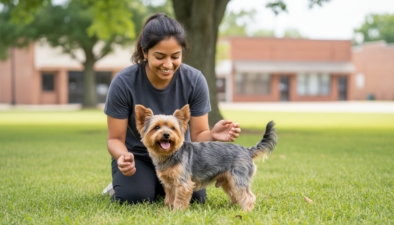
Your Complete Guide to Choosing a Dog Trainer in Big Flats and Surrounding Areas
Living in Big Flats offers a great mix of quiet neighborhoods and easy access to the wider Chemung County area. Your dog might join you for a walk along the Catharine Valley Trail, a trip to the Harris Hill Park, or an errand run down County Route 64. Finding a professional dog trainer who understands this local setting can make all the difference in helping your dog become a confident, well-behaved companion.
Since Big Flats is located within Chemung County, local dog owners follow both town guidelines and county-level regulations. A trainer familiar with these rules can help you navigate them smoothly, ensuring your dog is a good neighbor whether you’re near the airport or in a suburban development.
How to Choose the Right Trainer
Start by looking for a trainer whose methods align with modern, science-based *positive reinforcement* training. This approach is effective for teaching basic obedience and is essential for addressing common local challenges, like staying calm near the Corning Incorporated campus or behaving politely on trails shared with cyclists.
Credentials from reputable organizations offer a benchmark for a trainer’s knowledge. Look for certifications like the CPDT-KA for general obedience or the IAABC-CDBC for serious behavior issues. A trainer’s commitment to continuing education, such as pursuing a CPDT-KSA, shows they stay current with best practices.
Consider the format that fits your life. In-home dog training is excellent for addressing specific household issues like door-dashing or counter-surfing. Group classes are valuable for practicing skills around distractions, which is great preparation for busier county parks.
Common Dog Training Methods Explained
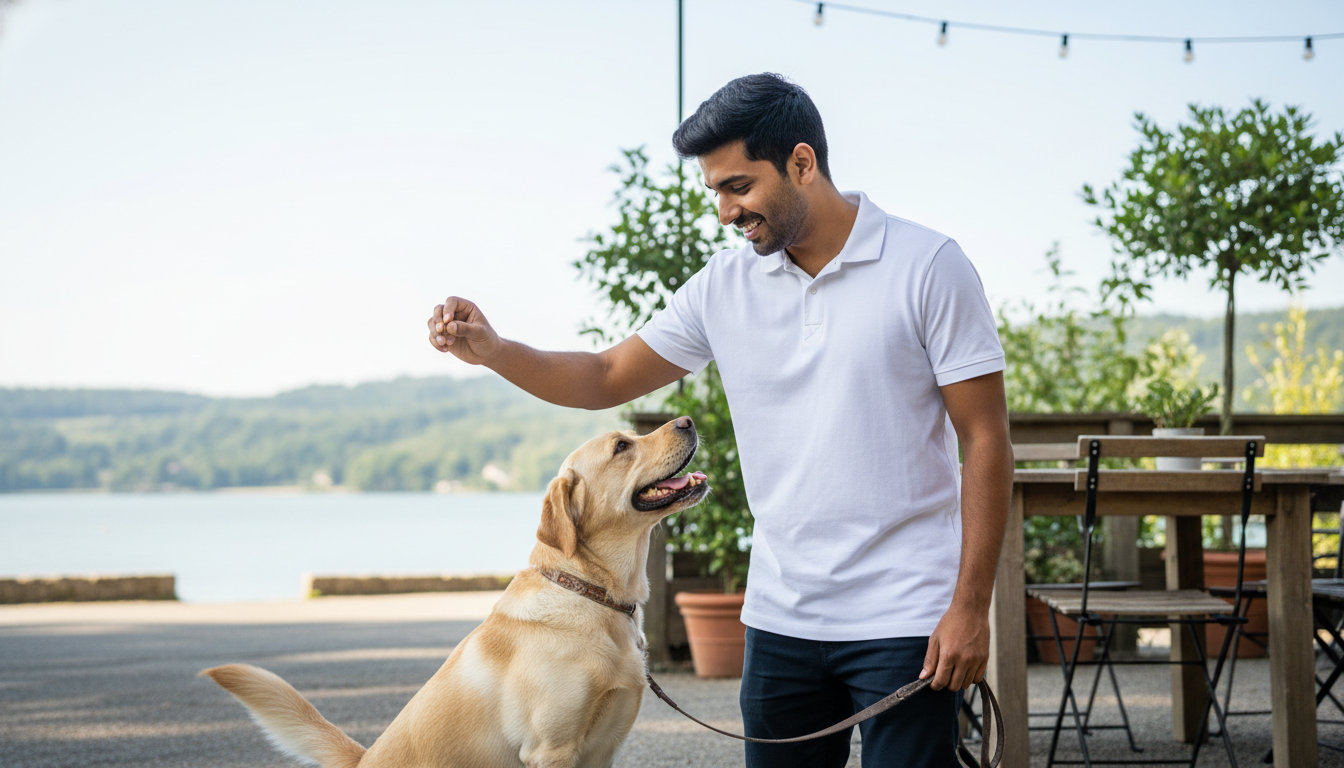
Modern dog training focuses on building trust and clear communication through reward-based methods. This philosophy helps create a reliable, well-behaved dog that can enjoy all that the Finger Lakes region has to offer safely and politely.
Basic obedience training**** covers essential cues like sit, stay, come, and loose-leash walking. These skills are the foundation for any outing, from a quiet neighborhood stroll to a visit to the Tanglewood Nature Center.
Puppy training programs are crucial for socialization, bite inhibition, and potty training. Starting early sets your puppy up for success, preventing frustrating habits before they take root.
Behavior modification addresses issues like fear, reactivity, or separation anxiety through structured, compassionate plans. For complex cases, a qualified trainer should be willing to collaborate with your veterinarian.
Private lessons offer one-on-one attention for tailored goals, while group classes provide a controlled environment to practice around other dogs and people. Day training or board and train programs are options when an owner’s schedule is particularly busy.
It’s important to avoid trainers who rely on intimidation or pain to suppress behavior. These methods can worsen problems and damage the human-animal bond, which is counterproductive to creating a happy, secure pet.
Average Cost of Dog Training in Big Flats, NY (Updated for 2026)
Pricing for dog training services in the Chemung County area varies based on the trainer’s experience, the program type, and travel distance. The table below reflects average costs for the region, including Big Flats, Elmira, and Corning.
| Service Type | Average Cost (Chemung County Area) |
|---|---|
| Puppy classes (6 weeks) | $120–$200 total |
| Group obedience classes (6 weeks) | $140–$220 total |
| Private lessons (60 min) | $80–$120 per session |
| In-home training packages (4-6 sessions) | $350–$700 total |
| Day training (per week) | $400–$800 |
| Behavior consultation | $100–$180 |
| Board and train (2 weeks) | $1,500–$2,800 total |
Many trainers offer a free consultation or evaluation to discuss your dog’s needs and their training program before you commit.
Questions to Ask a Potential Dog Trainer
- What is your primary training philosophy, and can you describe a typical session?
- What professional dog trainer certifications, such as CPDT-KA, do you hold?
- How do you tailor a training plan for a dog’s individual personality and a family’s specific routine?
- What services do you offer (in-home, group classes, day training) and what do you recommend for my goals?
- How do you measure progress and what does communication between sessions look like?
- What are your total fees, and do you charge travel fees for areas like Big Flats?
- Do you carry professional liability insurance?
- For behavior issues, what is your process for working with my veterinarian if needed?
Local Big Flats Rules and Considerations
Dog owners in Big Flats should be aware of county and state regulations designed to keep pets and the community safe.
New York State law and local ordinances require dogs to be leashed when not on the owner’s private property. A leash no longer than 6 feet is a standard requirement for public spaces.
New York State Public Health Law mandates that all dogs, cats, and ferrets be vaccinated against rabies. Your dog must wear its rabies vaccination tag at all times. County-level clinics are often available.
Excessive barking that disturbs neighbors can be considered a violation of local nuisance laws. Proactively working on alert barking with a trainer can help maintain good neighborhood relations.
New York State does not require a specific license to operate as a dog trainer. However, trainers should carry general business liability insurance. If a trainer offers board and train services, their facility must be licensed and inspected as an animal shelter or kennel by the New York State Department of Agriculture and Markets.
Local Big Flats Resources for Dog Owners
These local spots provide excellent environments to practice training in real-world settings. Always follow posted rules and clean up after your pet.
- Catharine Valley Trail: This multi-use trail is perfect for practicing long-duration loose-leash walking and calm behavior around cyclists and joggers. Dogs must be leashed.
- Harris Hill Dog Park (Elmira): This fenced, off-leash park is ideal for practicing recall in a secure environment. Visit during off-peak hours for more focused training sessions.
- Newtown Battlefield State Park (Elmira): Leashed dogs are welcome on the park’s trails, offering great opportunities for training with natural distractions like wildlife and scenic overlooks.
- Chemung County SPCA: While not a training facility, they are a key local resource for adoption, microchipping clinics, and general pet wellness information.
FAQs
How much does in-home dog training cost?
In the Big Flats area, a single in-home session typically costs between $80 and $120. Most trainers offer package discounts for multiple sessions, which can bring the average cost down.
Is in-home dog training worth it?
Yes, for many situations. It allows a trainer to address problems exactly where they happen, like jumping on guests at your front door or reactivity from your backyard fence. They can also help you practice leash skills on your own street.
Can you pay someone to house train your dog?
Many trainers offer puppy programs that include comprehensive potty training plans. Some day training services can also accelerate the process by implementing a consistent schedule during the day.
What is the 3-3-3 rule for dog training?
This is a guideline for adopted dogs. It suggests it takes about 3 days to decompress, 3 weeks to learn your routines, and 3 months to feel fully at home. A good training plan respects this adjustment period.
How long will it take to reach my training goals?
For basic obedience and manners, consistent practice over 4-8 weeks typically shows solid results. More complex behavior modification for fear or reactivity often requires a longer-term commitment of several months.
What should I bring to group classes?
Bring a well-fitting collar or harness, a 4-6 foot leash, high-value treats, and your dog’s vaccination records if required by the trainer. Leave retractable leashes at home.
What’s the leash law in Big Flats?
Dogs must be on a leash and under the owner’s control at all times when off their own property. This applies to all public spaces, including parks and trails, unless in a designated off-leash area like a dog park.
Do I need a dog license in Big Flats or Chemung County?
New York State law requires all dogs over the age of 4 months to be licensed in the town, city, or village where they reside. You must provide a current rabies certificate to obtain a license. Contact the Big Flats Town Clerk for specific local requirements.
What shots does my dog need in Chemung County or New York?
Rabies vaccination is legally required. Your veterinarian will also recommend a core vaccine schedule for distemper, parvovirus, and adenovirus, based on your dog’s risk factors.
Are dog trainers required to be licensed in Big Flats or New York?
No, there is no specific state license for dog trainers. They operate under standard business regulations. However, anyone offering boarding services must have a kennel license from the state.
Where can I practice off-leash recall?
The safest and only legal places are fully fenced dog parks, such as the Harris Hill Dog Park in nearby Elmira. Practicing in unfenced public areas violates leash laws and can be dangerous.
Which dog parks allow training around Big Flats?
The Harris Hill Dog Park is the primary nearby off-leash area suitable for training exercises like recall and supervised play. Always be mindful of other park users.
What beaches or trails allow dogs for training?
While there are no beaches in the immediate area, the Catharine Valley Trail and trails at Newtown Battlefield State Park allow leashed dogs. These are excellent for building focus and impulse control amid natural distractions.