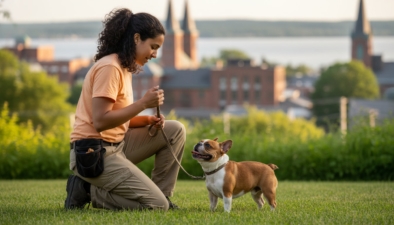
Your Complete Guide to Choosing a Dog Trainer in Cedar City and surrounding areas
Life in Cedar City blends outdoor adventure with community events. Your dog might need to walk politely through Main Street during the Utah Summer Games, stay calm during a Shakespeare in the Park performance, or hike safely on the nearby trails of the Dixie National Forest. A great local trainer will help your dog handle these specific Cedar City situations with confidence.
Understanding local rules is part of responsible dog ownership here. Iron County and Cedar City have ordinances designed to keep pets and people safe. A trainer familiar with these details can tailor your program to ensure your dog succeeds both at home and out in the community.
How to Choose the Right Trainer
Look for a professional dog trainer who uses *positive reinforcement* training methods. This approach builds trust and is effective for teaching dogs to be calm around the sights and sounds of Cedar City, from busy parking lots at Southern Utah University to trailheads with wildlife distractions.
Credentials from a reputable organization, like the CPDT-KA or KPA-CTP, show a trainer’s commitment to education. For serious behavior issues like aggression or severe anxiety, seek out a certified behavior consultant, such as an IAABC-CDBC.
Consider your daily routine. In-home dog training is excellent for addressing problems that happen at home, like door-dashing or barking at neighbors. Group classes are ideal for practicing obedience skills around other dogs, which is crucial for visiting popular local spots.
Common Dog Training Methods Explained

Humane, science-based methods are the standard for modern professional dog trainers. Reward-based training helps your dog learn what to do instead of punishing unwanted behavior. This creates a strong bond and a well-behaved dog who can enjoy all Cedar City has to offer.
Basic obedience training**** covers skills like sit, down, stay, come, and loose-leash walking. These are the foundation for any public outings, whether you’re at a farmers market or a sports field.
Puppy training focuses on critical early life skills. Proper socialization, potty training, bite inhibition, and crate training set your puppy up for a lifetime of good behavior. Starting early prevents problems before they become habits.
Behavior modification is a specialized process for dogs with fear, reactivity, separation anxiety, or aggression. It requires a careful, customized plan to change your dog’s emotional response to triggers.
Private lessons offer one-on-one attention for specific goals. Group classes provide a controlled environment to practice skills around distractions. Day training programs can accelerate learning for busy owners, while board and train services offer an immersive experience.
Always avoid trainers who use fear, intimidation, or pain-based tools. These methods can worsen behavior problems, damage your relationship with your dog, and may even violate local animal welfare standards.
Average Cost of dog training in Cedar City, UT (Updated for 2026)
Pricing in Cedar City and Iron County is generally moderate and reflects the trainer’s experience, session length, and program type. Here is a look at average costs for dog training services in the area.
| Service Type | Average Cost in Cedar City |
|---|---|
| Group Puppy or Obedience Class (6 weeks) | $120 – $200 total |
| Private Lesson (1 hour) | $70 – $110 per session |
| In-Home Training Package (4-6 sessions) | $300 – $650 total |
| Day Training (per week) | $350 – $600 |
| Initial Behavior Consultation | $100 – $175 |
| Board and Train (2 weeks) | $1,200 – $2,500 |
Travel fees may apply for in-home sessions outside the immediate city area. More complex behavior cases typically fall at the higher end of the price range.
Questions to Ask a Potential Dog Trainer
- What is your philosophy and what methods do you use in your training program?
- Are you a certified dog trainer? What are your specific credentials, like CPDT-KA or KPA-CTP, and do you pursue continuing education?
- How do you tailor your training sessions for my dog’s personality and my family’s lifestyle in Cedar City?
- What types of services do you offer (private, group, day training) and which do you recommend for my goals?
- How do you measure progress and what does a typical training plan look like?
- What are your full fees, including any travel charges, and what is your cancellation policy?
- Do you carry professional liability insurance?
- For behavior issues, are you willing to collaborate with my veterinarian?
Local Cedar City Rules and Considerations
Cedar City municipal code and Iron County ordinances outline key rules for dog owners. Adhering to these helps maintain good relationships with neighbors and keeps public spaces enjoyable.
Dogs must be on a leash no longer than six feet and under control when off the owner’s property. This applies to all city parks, trails, and sidewalks. There is no public, legal off-leash area except for privately owned dog parks.
Utah state law requires all dogs over three months old to be vaccinated against rabies. The rabies tag must be attached to the dog’s collar. Cedar City does not have a separate city dog license requirement.
Excessive barking that disturbs the peace is considered a nuisance. Working with a trainer on alert barking and separation anxiety can prevent neighbor complaints. Commercial use of public parks for training may require a permit from the city.
Utah does not require a specific state license to operate as a dog trainer. However, all businesses in Cedar City must obtain a city business license. Trainers offering board and train services from a facility must comply with state kennel regulations under the Utah Department of Agriculture and Food.
Local Cedar City Resources for Dog Owners
These local spots are perfect for practicing your training in real-world settings. Always follow posted rules and practice good etiquette.
- Cedar City Dog Park: Located at 2090 W Royal Hunte Dr, this fenced park provides a safe space for off-leash play and recall practice.
- Canyon Park: Offers extensive leashed hiking trails along Coal Creek, perfect for building focus and loose-leash walking skills around natural distractions.
- Main Street Park: A central community park ideal for practicing calm behavior around people, picnics, and occasional event crowds.
- Frontier Homestead State Park: Leashed dogs are welcome to explore this museum park, offering a unique environment for socialization.
- Three Peaks Recreation Area: Located just north of town, this area has leashed trail opportunities for more advanced distraction training.
FAQs
How much does in-home dog training cost?
In Cedar City, a single in-home session typically costs between $70 and $110. Most trainers offer discounted packages of 4 to 6 sessions, which brings the average total cost to between $300 and $650.
Is in-home dog training worth it?
Yes, especially for addressing behaviors that are specific to your home environment. An in-home trainer can help with issues like door manners, counter surfing, and reactions to your backyard or neighbors, right where they happen.
Can you pay someone to house train your dog?
Many trainers offer puppy programs that include a structured plan for potty training. Some day training or board and train services can also implement a consistent schedule to accelerate the house training process.
What is the 3-3-3 rule for dog training?
This is a general guideline for adopted dogs. It suggests it takes about 3 days to decompress, 3 weeks to learn routines, and 3 months to feel fully at home. A good training plan respects this adjustment period.
How long will it take to reach my training goals?
For basic obedience and manners, consistent practice over 4-8 weeks usually yields solid results. More complex behavior modification for fear or reactivity often requires a longer-term commitment of several months.
What should I bring to group classes?
Bring a flat collar or harness, a 6-foot non-retractable leash, high-value treats, and your dog’s vaccination records if required. Wear comfortable shoes and be prepared to focus on learning.
What’s the leash law in Cedar City?
Cedar City requires dogs to be on a leash no longer than six feet and under the owner’s control whenever they are off the owner’s private property. There are no public off-leash areas except for designated dog parks.
Do I need a dog license in Cedar City or county?
Cedar City and Iron County do not issue a general pet license. However, Utah state law requires a current rabies vaccination, and the rabies tag must be worn on your dog’s collar at all times.
What shots does my dog need in county or Utah?
Rabies vaccination is legally required. Your veterinarian will also recommend core vaccines like distemper, parvovirus, and adenovirus. Bordetella (kennel cough) is often advised if your dog will be in group classes or around other dogs.
Are dog trainers required to be licensed in Cedar City or county or Utah?
There is no specific “dog trainer license” in Utah. Trainers must obtain a standard business license from Cedar City. If they board dogs as part of a board and train service, their facility must be licensed as an animal shelter or kennel with the state.
Where can I practice off-leash recall?
The Cedar City Dog Park is the primary safe, legal option for off-leash recall practice. Always ensure the park is not overly crowded when working on training exercises.
Which dog parks allow training around Cedar City
The Cedar City Dog Park is the dedicated public off-leash area. Training is allowed within the park, but it’s considerate to use a less busy corner for focused work and to be mindful of other dogs and owners.
What beaches/trails allow dogs for training?
While there are no beaches nearby, many trails welcome leashed dogs. Canyon Park trails, the Three Peaks area, and trails in the Dixie National Forest (where allowed) provide excellent environments for building trail manners and focus.
Are there local opportunities for therapy dog training?
Yes. After achieving solid obedience and a calm temperament, you can pursue therapy dog certification through national organizations. Local hospitals, libraries, and SUU may have visiting programs, providing a great goal for advanced training.