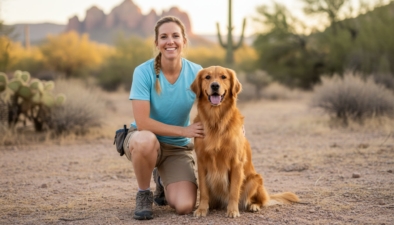
Your Complete Guide to Choosing a Dog Trainer in Clay Springs and surrounding areas
Life with a dog in Clay Springs means quiet trails through the Apache-Sitgreaves National Forests and close-knit neighborhood living. Your dog needs to be a good neighbor, responding calmly to wildlife scents and behaving politely in your yard or on local backroads.
Since Clay Springs is an unincorporated community within Navajo County, all local animal control and regulations are handled at the county level. A trainer familiar with rural Arizona life will help you navigate the unique balance between giving your dog freedom and ensuring their safety and good manners.
How to Choose the Right Trainer
Look for a professional dog trainer who understands the specific needs of a rural and small-town lifestyle. Your dog should learn reliable recall for open spaces, how to be calm around livestock or wildlife, and how to handle visits to nearby towns like Show Low or Springerville.
Checking a trainer’s background is a good first step. Recognized dog trainer certifications like the CPDT-KA or KPA-CTP indicate formal education in modern, humane methods. For serious behavior issues like fear or aggression, a certification such as the IAABC-CDBC shows specialized knowledge.
In-home training sessions are highly effective here, addressing behaviors right where they happen—in your home, yard, or on your property. Group classes are less common locally but can be invaluable for teaching your dog to focus around other people and dogs in a controlled setting.
Common Dog Training Methods Explained
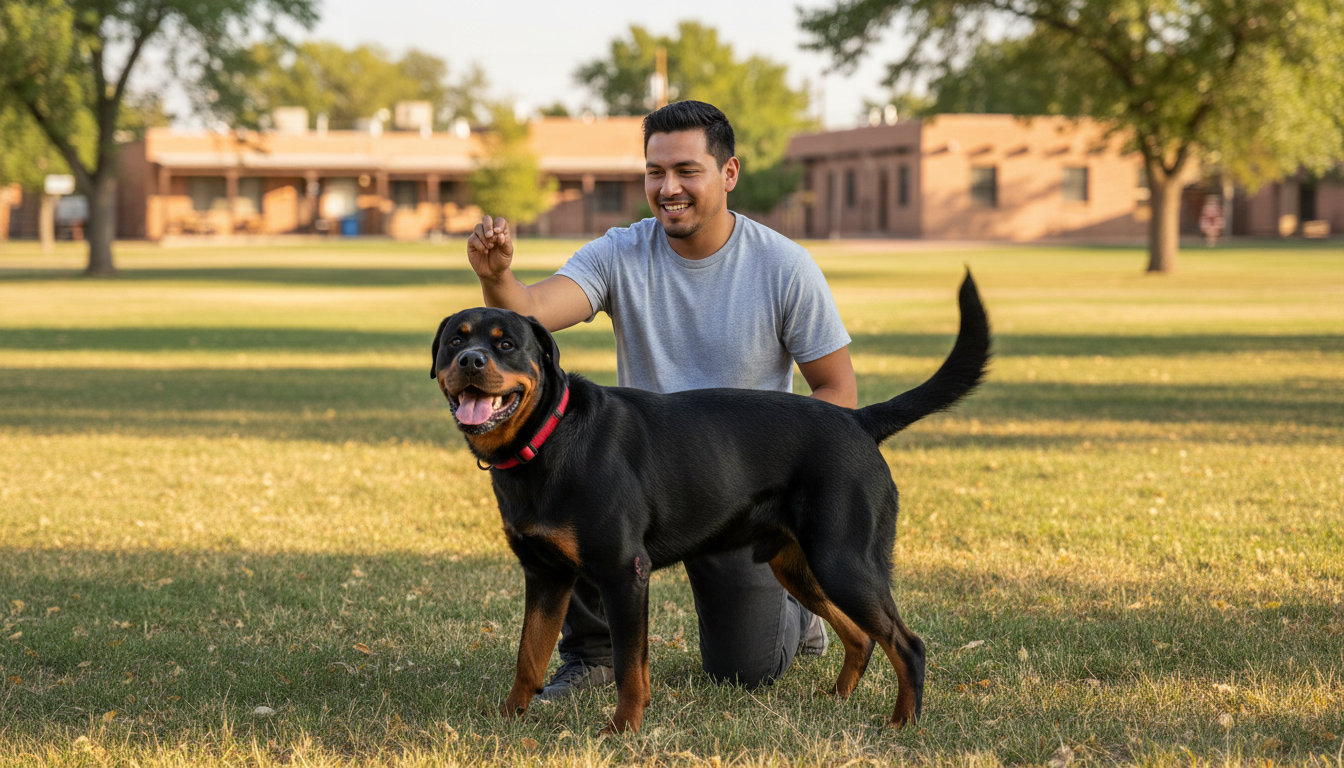
*Positive reinforcement* training is the most effective and humane approach. It builds a trusting relationship with your dog and helps ensure they are a well-behaved dog in all settings, which is crucial for county leash laws and being a good rural neighbor.
Basic obedience covers sit, down, stay, and a solid recall. These skills are essential for safety, whether you’re on a forest service road or have guests over.
Puppy training focuses on early socialization, potty training, bite inhibition, and crate training. Starting early prevents problems before they become habits.
Behavior modification addresses issues like fear, reactivity, separation anxiety, or resource guarding. This involves careful, gradual steps to change your dog’s emotional response to triggers.
Private lessons offer one-on-one attention tailored to your dog’s pace. In-home dog training is convenient and addresses context-specific issues.
Group classes provide a controlled environment to practice manners around distractions, which is great preparation for trips to busier areas.
Specialized training, like service dog training or therapy dog training, requires a structured, goal-oriented program with clear public access skills.
It is important to avoid any trainer who uses intimidation, fear, or pain to suppress behavior. These outdated methods can damage your dog’s trust and worsen behavioral problems.
Average Cost of dog training in Clay Springs, AZ (Updated for 2026)
Pricing in Navajo County and the surrounding White Mountains region is generally more affordable than in Arizona’s major metropolitan areas. Costs depend on the trainer’s experience, travel distance, and the type of program.
| Service Type | Average Cost (Navajo County Region) |
|---|---|
| Puppy classes (4–6 week series) | $120–$200 total |
| Group obedience classes (4–6 weeks) | $130–$220 total |
| Private lessons (60 min) | $80–$140 per session |
| In-home training packages (4–6 visits) | $350–$700 total |
| Day training (per week) | $400–$750 |
| Behavior consultation | $120–$200 |
| Board and train (2–3 weeks) | $1,500–$3,000 total |
Many trainers serving rural areas include travel fees for distances beyond a certain radius. Always ask what is included in the quoted price and their policy for follow-up support.
Questions to Ask a Potential Dog Trainer
- What is your primary training philosophy, and how do you use positive reinforcement?
- What professional credentials or continuing education do you have, such as CPDT-KSA?
- How do you tailor a training program for dogs in a rural environment with wildlife and livestock?
- Do you offer in-home sessions, and what is your travel range within Navajo County?
- What does your process look like for addressing specific issues like reactivity or separation anxiety?
- Can you provide proof of liability insurance?
- What are your rates, and do you offer package discounts or payment plans?
- How do you involve the family in the training process to ensure consistency?
Local Clay Springs Rules and Considerations
As an unincorporated area, Clay Springs follows Navajo County ordinances and Arizona state law. Understanding these rules helps you be a responsible pet owner.
Dogs must be under their owner’s control at all times. While Navajo County does not have a blanket leash law for unincorporated areas, dogs cannot run at large. If a dog is found off the owner’s property and not under control, it can be considered a nuisance or stray.
Arizona state law requires all dogs over three months old to be vaccinated against rabies. The rabies tag must be attached to the dog’s collar.
Excessive barking that disturbs neighbors can lead to nuisance complaints. Training can help manage alert barking, which is important for maintaining good neighbor relations in a quiet community.
Arizona does not require a specific state license for dog trainers. However, any professional operating a business should have a general county business license and is strongly advised to carry liability insurance. There are no special county-level certifications for trainers.
The Navajo County Animal Control provides services for stray animals, rabies control, and bite investigations.
Local Clay Springs Resources for Dog Owners
These local spots offer great opportunities to practice training in real-world settings. Always ensure your dog is under control and clean up after them.
- Local Forest Service Roads & Trails: The extensive network of roads in the Apache-Sitgreaves National Forests provides endless leashed walking opportunities to practice focus around natural distractions.
- Show Low Dog Park (in nearby Show Low): A fully fenced, double-gated park separated for large and small dogs. An excellent place to practice supervised social skills and off-leash recall in a secure area.
- Woodland Lake Park (in nearby Pinetop-Lakeside): A large, popular park where leashed dogs are welcome. Ideal for practicing loose-leash walking around people, picnickers, and other leashed dogs at a distance.
FAQs
How much does in-home dog training cost?
In the Clay Springs area, most in-home dog training sessions cost between $80 and $140 per visit. Multi-session packages often provide a better overall value.
Is in-home dog training worth it?
Yes, especially in a rural area. An in-home trainer can address behaviors in the exact context they occur, from door-dashing to barking at wildlife in your yard. They can also help you practice leash skills on your own property or nearby quiet roads.
Can you pay someone to house train your dog?
Many trainers include potty training as a core part of puppy programs. Some day training services can also establish a consistent routine to accelerate the housebreaking process.
What is the 3-3-3 rule for dog training?
This is a guideline for adopted dogs: 3 days to decompress, 3 weeks to learn your routine, and 3 months to feel fully at home. A good trainer will design a program that respects this adjustment period.
How long will it take to reach my training goals?
For basic obedience and manners, consistent practice over 4-8 weeks typically shows strong results. More complex behavior modification for fear or reactivity often requires a longer-term commitment of several months.
What should I bring to group classes?
Bring a well-fitting collar or harness, a 6-foot leash, high-value treats, and your dog’s vaccination records. Avoid retractable leashes for group settings.
What’s the leash law in Clay Springs?
Navajo County does not have a universal leash law for unincorporated areas like Clay Springs. However, dogs must be under the owner’s direct control at all times and cannot run at large. Using a leash is the simplest way to maintain control and is required in any nearby town or developed recreation site.
Do I need a dog license in Clay Springs or county?
Navajo County does not issue general pet licenses. The primary legal requirement is a current rabies vaccination and tag on your dog’s collar.
What shots does my dog need in county or Arizona?
Rabies vaccination is mandated by Arizona state law. Your veterinarian will also recommend core vaccines like DHPP (distemper/parvo) and may suggest others based on your dog’s exposure risk.
Are dog trainers required to be licensed in Clay Springs or county or Arizona?
The state of Arizona does not regulate or license dog trainers. Trainers should have a standard Navajo County business license and are strongly encouraged to carry professional liability insurance.
Where can I practice off-leash recall?
The Show Low Dog Park is the nearest secure, fenced area for safe off-leash practice. Always ensure your dog has reliable recall before practicing in any unfenced area, even if remote.
Which dog parks allow training around Clay Springs?
The Show Low Dog Park is the closest dedicated facility. Practicing obedience at the park’s entrance or during quiet hours can be very effective for proofing skills.
What beaches or trails allow dogs for training?
While there are no beaches, leashed dogs are welcome on most trails in the Apache-Sitgreaves National Forests. These are perfect for building duration and focus in naturally distracting environments. Always check specific trailhead regulations.
What about wildlife and livestock?
This is a key local consideration. A professional trainer can help you teach your dog to ignore or respond calmly to animals like elk, deer, or neighboring livestock, which is critical for safety and peace of mind in this area.
Finding the right dog trainer in Clay Springs means partnering with someone who respects your rural lifestyle and uses kind, effective methods to help your dog become a confident companion. Asking the right questions about their approach and dog trainer certifications will set you both up for success.