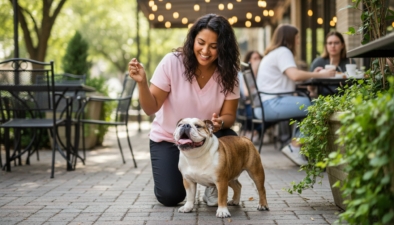
Your Complete Guide to Choosing a Dog Trainer in Flintstone and Surrounding Areas
Living with a dog in Flintstone means enjoying the quiet neighborhoods and quick access to the natural beauty of Lookout Mountain. Your daily walks might take you past historic sites or onto the trails just minutes from town. For your dog to be a good neighbor and a safe hiking companion, they need reliable skills. Finding a local trainer who understands this unique mix of small-town life and outdoor adventure is key to your success.
Walker County, where Flintstone is located, has specific rules that affect dog owners. A trainer familiar with these local considerations can help you navigate them smoothly, from leashed walks in your neighborhood to practicing recalls in approved areas.
How to Choose the Right Trainer
Look for a professional dog trainer who uses positive reinforcement methods. This approach builds trust and is effective for teaching dogs to be calm around wildlife on the mountain or polite when meeting neighbors on a narrow sidewalk.
Credentials offer a clear way to understand a trainer’s education. Look for certifications like the CPDT-KA or KPA-CTP. For serious behavior issues like aggression or severe anxiety, a credential such as the CBCC-KA or IAABC-CDBC indicates specialized knowledge.
In-home sessions are excellent for addressing behaviors that happen at home, like door-dashing or counter surfing. Group classes provide a controlled setting to practice skills around other dogs, which is great preparation for a visit to a busier park.
Common Dog Training Methods Explained
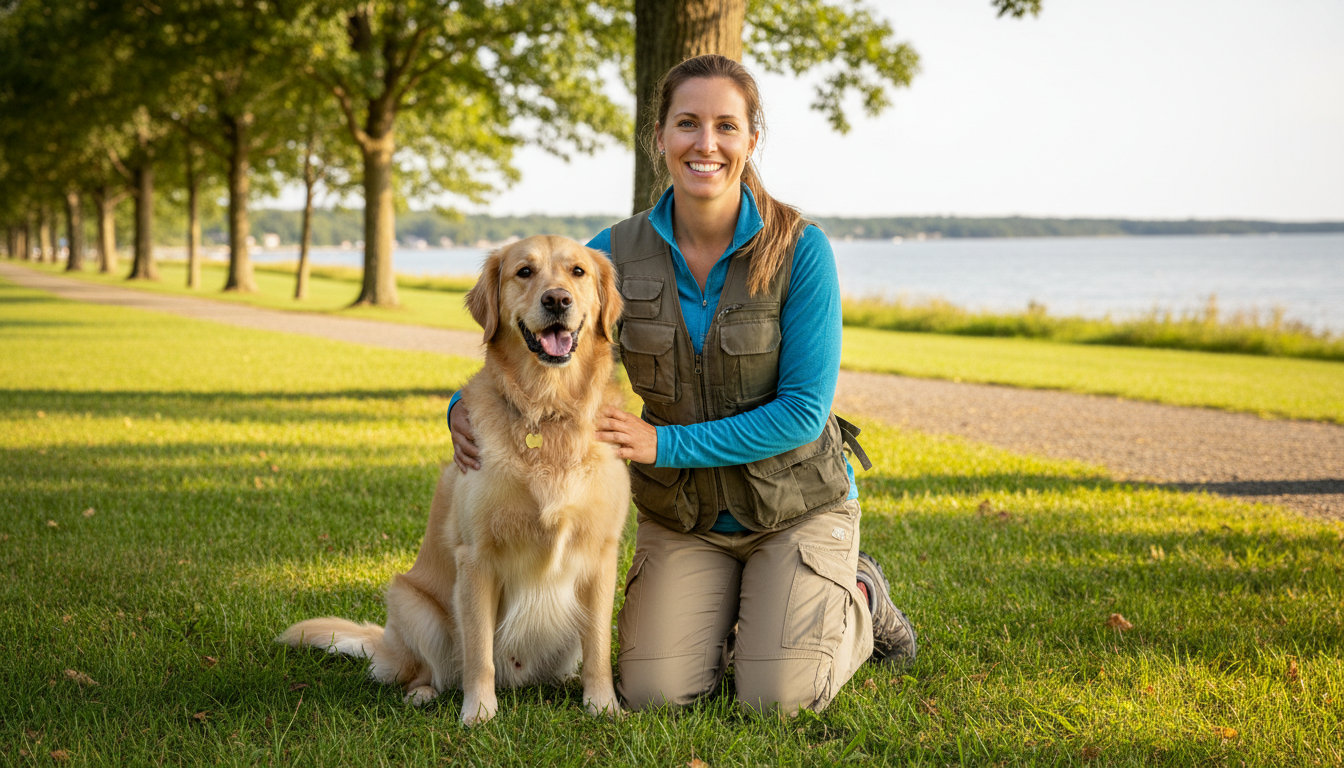
Modern dog training focuses on rewarding your dog for making good choices. This method creates a willing partner and is aligned with Walker County’s expectations for having dogs under control.
Basic obedience covers sit, stay, come, and loose-leash walking. These are the foundation for all other activities, ensuring safety on trails and in shared spaces.
Puppy training prioritizes socialization, potty training, and bite inhibition. Early positive experiences help prevent fears and problem behaviors from developing later.
Behavior modification addresses issues like reactivity, fear, or separation anxiety through careful, structured plans that change your dog’s emotional response to triggers.
Private lessons allow for a fully customized training program. Day training can accelerate learning if your schedule is busy. Group classes help proof behaviors in a more distracting environment.
Specialized training, like service dog or therapy dog training, requires a trainer with experience in those specific protocols and public access standards.
Avoid any trainer who uses methods based on fear, pain, or intimidation. These techniques can worsen behavior problems, damage your relationship with your dog, and potentially lead to incidents that violate local nuisance ordinances.
Average Cost of Dog Training in Flintstone, GA (Updated for 2026)
Pricing in the Flintstone and Walker County area is influenced by the trainer’s experience, session length, and travel. Here is a look at the average costs for dog training services locally.
| Service Type | Average Cost (Flintstone/Walker County) |
|---|---|
| Puppy Class (6-week series) | $120 – $200 total |
| Group Obedience Class (6-week series) | $130 – $220 total |
| Private Lesson (1 hour) | $70 – $120 per session |
| In-Home Training Package (4-6 sessions) | $300 – $650 total |
| Day Training (per week) | $350 – $700 |
| Behavior Consultation | $100 – $180 |
| Board and Train (2 weeks) | $1,500 – $3,000 |
Travel fees may apply for in-home services depending on your location within the county. Always ask for a detailed breakdown of costs and what is included before starting a training program.
Questions to Ask a Potential Dog Trainer
- What is your primary training philosophy, and how do you use positive reinforcement?
- What professional dog trainer certifications do you hold, and how do you continue your education?
- Can you create a customized plan for my dog’s specific challenges and our Flintstone lifestyle?
- Do you offer in-home, group, or day training, and which do you recommend for my goals?
- How do you measure progress and help transition skills to real-world settings?
- What is your total fee, including any travel charges, and what is your cancellation policy?
- Do you carry professional liability insurance?
- For behavior issues, are you willing to collaborate with my veterinarian?
- What will I need to practice between sessions to ensure success?
Local Flintstone Rules and Considerations
Walker County enforces laws to ensure public safety and animal welfare. Understanding these helps you be a responsible dog owner and informs the skills your trainer should focus on.
Dogs must be kept under control at all times. While the county does not have a universal leash law, it does have a “running at large” ordinance. This means your dog cannot be off your property unless under your direct control, which effectively requires a leash in all public spaces and unenclosed areas.
Georgia state law requires all dogs and cats over three months of age to be vaccinated against rabies by a licensed veterinarian. A current rabies tag must be attached to your dog’s collar.
Excessive barking that disturbs the peace is considered a nuisance. Training can help manage alert barking and separation anxiety before it becomes a neighborhood issue.
The State of Georgia does not require a specific license to operate as a dog trainer. However, any business operating in Flintstone or Walker County must obtain a standard business license. Trainers who offer board and train services from a facility may be subject to Georgia’s Animal Protection Act and related kennel regulations.
Dog trainers are not legally required to carry insurance, but it is a strong indicator of professionalism. It protects you, the trainer, and the public in case of an accident.
Local Flintstone Resources for Dog Owners
These local spots provide excellent environments to practice the skills you learn in training. Always follow posted rules and practice good etiquette to keep these spaces welcoming for everyone.
- Walker County Paw Park in Rock Spring offers a fenced area for off-leash play and socialization.
- Cloudland Canyon State Park, located just west of Flintstone, allows leashed dogs on most of its beautiful trails, perfect for practicing focus around distractions.
- The Chickamauga Battlefield (part of Chickamauga and Chattanooga National Military Park) permits leashed dogs on its historic grounds and trails, offering miles of structured walking paths for training.
- Walker County Animal Shelter provides resources for pet owners, including low-cost microchipping clinics and information on local animal regulations.
FAQs
How much does in-home dog training cost?
In the Flintstone area, a single in-home session typically costs between $70 and $120. Most trainers offer package discounts for booking multiple sessions at once.
Is in-home dog training worth it?
Yes, especially for addressing behaviors that are specific to your home environment. A trainer can help with issues like jumping on guests, bolting out the door, or reactivity in your own yard, then take the lesson to your neighborhood sidewalks.
Can you pay someone to house train your dog?
Many trainers include potty training as a core part of their puppy programs. Through day training or in-home coaching, they can establish a routine and teach you how to maintain it consistently.
What is the 3-3-3 rule for dog training?
It’s a guideline for a newly adopted or rehomed dog’s adjustment period. Allow 3 days to decompress, 3 weeks to learn your routine, and 3 months to feel fully secure. A good trainer will work with this natural timeline.
How long will it take to reach my training goals?
For basic obedience and manners, consistent practice over 4-8 weeks usually shows solid results. More complex behavior modification for fear or reactivity often requires a longer-term commitment of several months.
What should I bring to group classes?
Bring a well-fitting collar or harness, a 4-to-6-foot leash, high-value treats, and your dog’s vaccination records. Avoid retractable leashes, as they are not suitable for structured training classes.
What’s the leash law in Flintstone?
Flintstone follows Walker County’s ordinance. Dogs are prohibited from “running at large,” meaning they must be under your direct control and not roaming free. Using a leash is the simplest way to maintain this control in all public areas.
Do I need a dog license in Flintstone or Walker County?
Walker County does not issue a general pet license. The primary legal requirement is a current rabies vaccination and tag attached to your dog’s collar.
What shots does my dog need in Walker County or Georgia?
Rabies vaccination is required by state law. Your veterinarian will also recommend a core vaccine series (like DHPP) and may suggest others like bordetella based on your dog’s risk factors.
Are dog trainers required to be licensed in Flintstone or Walker County or Georgia?
Georgia does not have a state-level license for dog trainers. Trainers must comply with standard business licensing in their city or county. Those operating a boarding facility must follow state kennel regulations.
Where can I practice off-leash recall?
The only safe and legal places are fully enclosed, designated dog parks like the Walker County Paw Park. It is not legal to allow your dog off-leash on public trails, in parks, or on neighborhood streets.
Which dog parks allow training around Flintstone?
The Walker County Paw Park in Rock Spring is the primary public off-leash area. Using the park during off-peak hours can provide a good environment for practicing recalls and engagement around mild distractions.
What trails allow dogs for training?
Cloudland Canyon State Park and the Chickamauga Battlefield both welcome leashed dogs on their trails. These are ideal for building your dog’s focus and loose-leash walking skills amidst natural sights and sounds.