Your Complete Guide to Choosing a Dog Trainer in Grand Bay and Surrounding Areas
Life with a dog in Grand Bay means enjoying the quiet, rural roads and open spaces. It also means your dog needs to be reliable around farm animals, not chase wildlife into the woods, and stay calm during visits to nearby Mobile. Finding a local dog trainer who understands this environment makes all the difference.
Since Grand Bay is an unincorporated community, local animal rules follow Mobile County and Alabama state regulations. A good trainer here will know how to prepare your dog for both country living and trips into busier areas.
How to Choose the Right Trainer
Look for a professional dog trainer who uses *positive reinforcement* training. This method builds a trusting relationship, which is crucial for dogs that may have space to roam but still need to listen reliably. You want a trainer who can set goals for your lifestyle, like being calm around tractors, having solid recall near open fields, and having good manners for errands in Theodore or Mobile.
Checking a trainer’s credentials is a smart first step. Recognized dog trainer certifications like the CPDT-KA or KPA-CTP show a commitment to science-based methods. For serious behavior issues like fear or aggression, look for advanced certifications such as the CBCC-KA or IAABC-CDBC.
In-home sessions are highly effective here for addressing specific issues on your property. Group classes can be valuable for socialization and practicing obedience around distractions, though you may need to travel to nearby areas for these options.
Common Dog Training Methods Explained
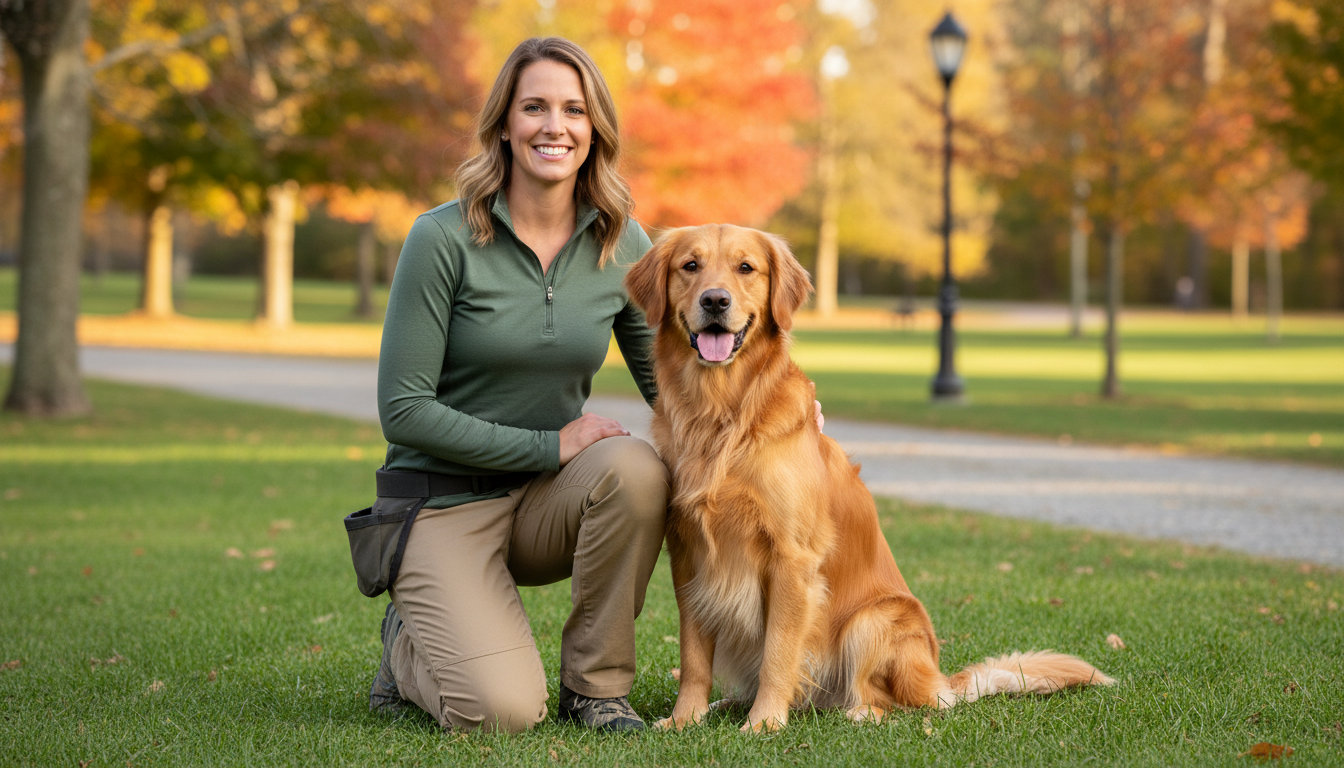
Modern, reward-based training is the most effective and humane approach. It helps you meet local expectations for dog control while strengthening your bond with your pet.
Basic obedience covers sit, down, stay, come, and loose-leash walking. These skills are the foundation for safety, especially in areas without sidewalks where you might walk along road shoulders.
Puppy training focuses on critical early lessons: socialization with various sights and sounds, potty training, bite inhibition, and crate training. Starting early prevents problems from becoming ingrained habits.
Behavior modification addresses issues like reactivity, separation anxiety, or resource guarding. This involves careful, gradual training to change your dog’s emotional response to triggers.
Private lessons offer one-on-one attention tailored to your dog’s unique needs. Board and train programs can provide intensive learning, but require careful vetting of the facility and methods. Group classes are excellent for practicing obedience and manners around other dogs and people in a controlled setting.
Always avoid trainers who use fear, intimidation, or pain-based corrections. These outdated methods can worsen behavioral problems and damage your dog’s trust.
Average Cost of Dog Training in Grand Bay, AL (Updated for 2026)
Pricing in the Grand Bay and greater Mobile County area varies based on the trainer’s experience, travel distance, and the type of service. The following table reflects average costs for the region.
| Service Type | Average Cost (Mobile County Area) |
|---|---|
| Puppy Classes (6 weeks) | $120 – $200 total |
| Group Obedience Classes (6 weeks) | $130 – $225 total |
| Private Lessons (1 hour) | $70 – $120 per session |
| In-Home Training Packages (4-6 sessions) | $300 – $700 total |
| Day Training (per week) | $350 – $650 |
| Behavior Consultation | $100 – $180 initial visit |
| Board and Train (2 weeks) | $1,200 – $2,500 total |
Many trainers serving Grand Bay may add a travel fee due to the rural location. Always ask what is included in the price and their policy for follow-up support.
Questions to Ask a Potential Dog Trainer
- What is your philosophy and what training methods do you primarily use?
- What professional certifications, like CPDT-KA, do you hold? Do you pursue continuing education such as the CPDT-KSA?
- How much experience do you have with dogs in rural settings like Grand Bay?
- Do you offer in-home services, and what is your travel radius?
- Can you provide a clear training plan and how will we track progress?
- What are your total fees, including any travel charges?
- Do you carry professional liability insurance?
- For behavioral issues, are you willing to collaborate with my veterinarian?
Local Grand Bay Rules and Considerations
As an unincorporated community, Grand Bay follows Mobile County and Alabama state laws. These rules are in place to protect public health, safety, and peace.
Mobile County has a leash law. Dogs must be physically restrained by a leash or chain or be within a fenced enclosure on the owner’s property when off-premises. A strong recall is vital for safety even on your own land if it’s not fully fenced.
Alabama state law requires all dogs to have a current rabies vaccination administered by a licensed veterinarian. A rabies tag must be attached to the dog’s collar. There is no county-level dog license requirement in Mobile County.
Excessive or continuous barking that disturbs neighbors can be considered a nuisance under county ordinances. Training can help manage alert barking common in rural areas.
The State of Alabama does not require a specific license to be a dog trainer. However, any trainer operating a business in Alabama must comply with standard business licensing requirements. Trainers offering board and train services must operate a kennel facility licensed by the Alabama Department of Agriculture and Industries.
Professional liability insurance is not mandated by law but is a critical sign of a responsible, professional dog trainer. It protects you, your property, and the trainer in case of an accident.
Local Grand Bay Resources for Dog Owners
These local spots provide great environments to practice training skills and enjoy time with your dog.
- Grand Bay Dog Park: Located within the Grand Bay Community Park complex, this fenced area is the primary local spot for off-leash play and recall practice.
- Bellingrath Gardens and Home: While not a park, this nearby attraction allows leashed dogs on its grounds, offering a beautiful, controlled setting for practicing polite leash walking amidst distractions.
- Mobile County Parks: Parks like Municipal (Langan) Park in Mobile offer vast green spaces for long-line training and leashed walks in different environments.
- Local Feed & Supply Stores: Stores like Grand Bay Feed & Seed can be excellent for socializing puppies to novel sights, sounds, and smells in a controlled manner.
FAQs
How much does in-home dog training cost?
In the Grand Bay area, expect to pay between $70 and $120 per in-home session. Multi-session packages often provide better value.
Is in-home dog training worth it?
Yes, especially in a rural area. The trainer can address behaviors exactly where they happen—like barking at farm equipment, chasing chickens, or reacting to wildlife on your property. They can also tailor leash training to your specific roads and pathways.
Can you pay someone to house train your dog?
Many trainers offer puppy programs that include a structured plan for potty training. Some day training services can also implement the schedule and reinforce the behavior during the day.
What is the 3-3-3 rule for dog training?
This is a guideline for adopted dogs: 3 days to decompress, 3 weeks to learn routines, and 3 months to feel at home. Good training respects this adjustment period.
How long will it take to reach my training goals?
For basic obedience with a motivated dog, you might see reliable results in 6-8 weeks with consistent practice. More complex behavior issues can take several months of dedicated work.
What should I bring to group classes?
Bring a standard 6-foot leash, a well-fitted collar or harness, high-value treats, and your dog’s vaccination records. Avoid retractable leashes.
What’s the leash law in Grand Bay?
Grand Bay follows Mobile County’s leash law. Dogs must be on a leash or chain when not on your property or in a securely fenced area on your property.
Do I need a dog license in Grand Bay or county?
Mobile County does not issue general dog licenses. The only legal requirement is a current rabies vaccination and tag from your veterinarian.
What shots does my dog need in county or Alabama?
Alabama law mandates a rabies vaccination. Your veterinarian will also recommend core vaccines like DHPP (distemper, hepatitis, parvo, parainfluenza) and others based on your dog’s risk factors.
Are dog trainers required to be licensed in Grand Bay or county or Alabama?
Alabama does not have a state license for dog trainers. They must follow standard business licensing rules. Those offering boarding services must have a kennel license from the state.
Where can I practice off-leash recall?
The Grand Bay Dog Park is the designated local fenced area for safe off-leash practice. Always ensure your dog has basic recall before using the park.
Which dog parks allow training around Grand Bay?
The Grand Bay Dog Park is the primary local option. For more variety, residents often travel to fenced dog parks in Mobile, such as the one at Municipal Park.
What beaches or trails allow dogs for training?
While Grand Bay is not directly on the coast, several Gulf Coast beaches within an hour’s drive allow leashed dogs during certain seasons. Always check local ordinances before visiting. The trails at Chickasabogue Park in nearby Eight Mile welcome leashed dogs and are great for trail training.
How do I handle wildlife distractions during training? This is a common challenge in rural Grand Bay. A professional trainer can help you build a strong “leave it” cue and engage your dog’s focus around squirrels, deer, or birds using high-value rewards and gradual exposure.
Choosing the right dog trainer in Grand Bay means finding someone who respects your rural lifestyle while using effective, kind methods. With consistent, positive training, your dog can become a safe and joyful companion whether you’re at home or exploring Mobile County.