Your Complete Guide to Choosing a Dog Trainer in Hollywood and Surrounding Areas
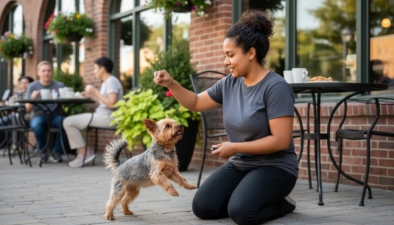
Living in Hollywood means navigating a unique blend of bustling sidewalks, crowded patios, and quieter residential streets in neighborhoods like Los Feliz, Studio City, and West Hollywood. Your dog needs to be a calm companion whether you’re walking down the Hollywood Walk of Fame, waiting in line for a hike at Runyon Canyon, or relaxing at a cafe on Sunset Boulevard. Finding a professional dog trainer who understands this specific urban environment is the first step to a happier life with your pet.
Los Angeles County has ordinances that directly impact how you live with and train your dog. A trainer familiar with these rules can help you avoid fines and conflicts, making your training program more effective for your daily life here.
How to Choose the Right Trainer
Start by looking for a certified dog trainer who uses *positive reinforcement* training. This method is not only humane but also highly effective for building the reliable behaviors you need in a distracting city. Your dog should learn to ignore skateboards, remain calm around film crews, and walk politely on a leash without pulling towards other dogs or tourists.
Credentials are a key indicator of a trainer’s education and commitment. Look for professionals with science-based certifications like the CPDT-KA or KPA-CTP. For serious behavior issues like aggression or severe anxiety, seek out a trainer with a CBCC-KA or IAABC-CDBC credential. You can learn more about what these mean on our guide to dog trainer certifications.
In-home sessions are excellent for addressing behaviors that happen at home, like door-dashing or counter-surfing. Group classes are a great next step to proof obedience skills around other dogs, which is essential for visits to the farmers’ market or outdoor dining.
Common Dog Training Methods Explained
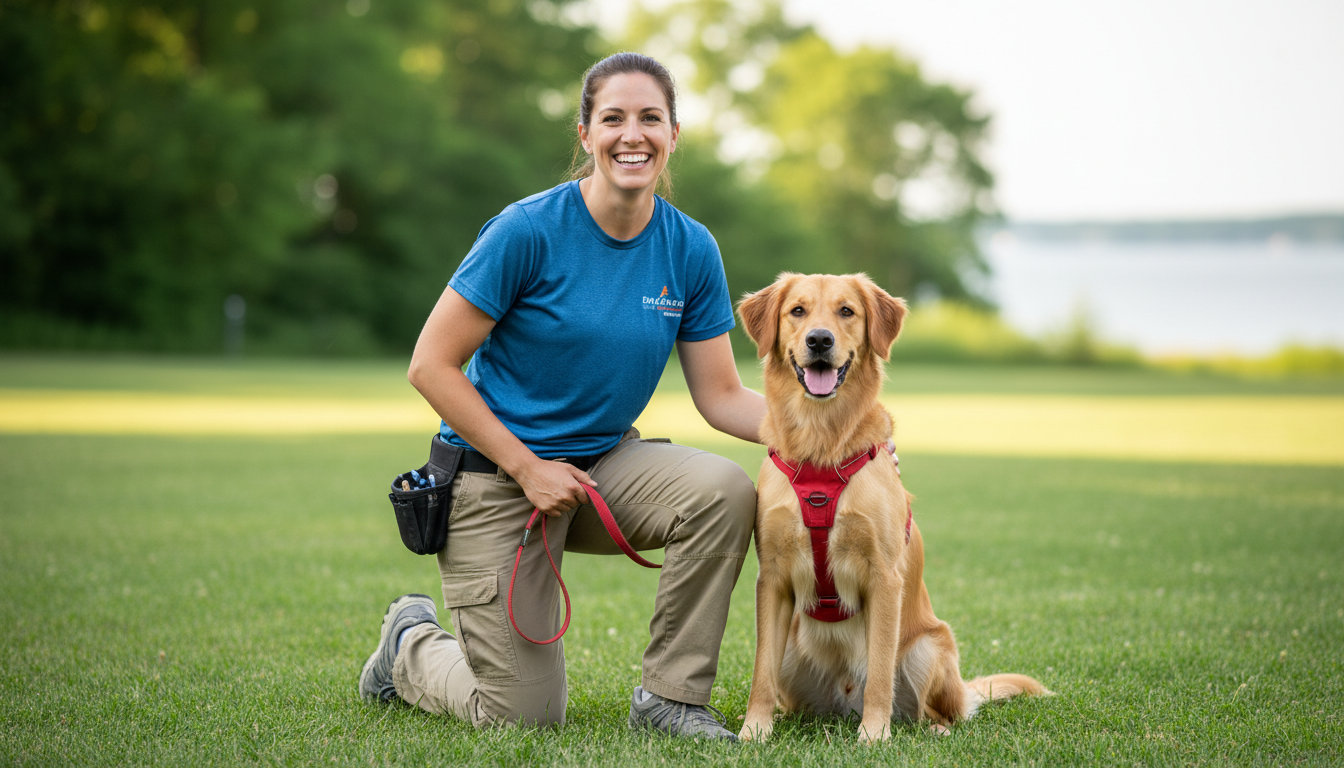
Modern, reward-based training focuses on teaching your dog what to do instead of punishing what not to do. This builds a strong bond and ensures your dog can handle the stimuli of city life while staying under control, which is required by Los Angeles County law.
Basic obedience covers sit, down, stay, come, and loose-leash walking. These are the foundation for all public outings, from walks to Griffith Park to visits at The Grove.
Puppy training prioritizes safe socialization, potty training, bite inhibition, and crate training. Starting early in Hollywood prevents the development of fears and reactive behaviors toward the city’s constant activity.
Behavior modification uses desensitization and counterconditioning to change emotional responses to triggers like loud noises, other dogs, or being left alone (separation anxiety). This is a specialized process that often requires a detailed training program.
Private lessons offer one-on-one attention for specific goals. Board and train programs can provide an intensive jumpstart, though you must be heavily involved in the follow-up process. Group classes help your dog learn to listen even with the distraction of other dogs and people nearby.
Always avoid trainers who use fear, intimidation, or pain-based tools. These methods can worsen behavior problems, increase stress, and are not aligned with creating a well-behaved dog suited for community life.
Average Cost of Dog Training in Hollywood, CA (Updated for 2026)
Dog training services in Hollywood and greater Los Angeles County vary in price based on the trainer’s expertise, session length, and program type. The following table reflects average costs for the area.
| Service Type | Average Cost (Hollywood/LA County) |
|---|---|
| Puppy Class (6 weeks) | $200–$350 |
| Group Obedience Class (6 weeks) | $225–$400 |
| Private Lesson (1 hour) | $120–$220 |
| In-Home Training Package (4-6 sessions) | $500–$1,200 |
| Day Training (per week) | $600–$1,100 |
| Behavior Consultation | $175–$300 |
| Board and Train (2 weeks) | $2,500–$5,500 |
Travel fees may apply for in-home services, and complex behavior cases typically command higher rates. Always ask for a detailed breakdown of costs and what is included before committing to a training program.
Questions to Ask a Potential Dog Trainer
- What is your training philosophy, and can you explain how you use positive reinforcement?
- What professional certifications, like CPDT-KA or KPA-CTP, do you hold? Do you pursue continuing education, such as the CPDT-KSA?
- How do you tailor your training plans for dogs living in a dense urban environment like Hollywood?
- What services do you offer (in-home, group classes, day training) and which do you recommend for my goals?
- How do you measure progress and help transition skills to busy public settings?
- Can you provide a clear total cost, including any travel fees, and explain your cancellation policy?
- Do you carry professional liability insurance? Can you provide proof?
- For behavior issues, are you willing to collaborate with my veterinarian?
- What will my homework be between sessions?
Local Hollywood Rules and Considerations
Hollywood follows Los Angeles County and City of Los Angeles ordinances designed to keep people, pets, and property safe. Understanding these rules helps inform your training goals.
Dogs must be on a leash no longer than six feet in all public areas, unless in a designated off-leash dog park. This includes sidewalks, parks, and hiking trails like those in Griffith Park.
California state law and Los Angeles County law require all dogs over four months old to be vaccinated against rabies and licensed. The license is obtained through the City of Los Angeles Department of Animal Services.
Excessive barking is considered a nuisance. Training can help manage alert barking, which is important for maintaining good relations with neighbors in apartment buildings and close-quarter homes.
Professional dog trainers operating a business in Los Angeles must obtain a standard city business license. While California does not mandate a specific “dog trainer license,” reputable trainers carry liability insurance to protect themselves and their clients.
Local Hollywood Resources for Dog Owners
These local spots provide excellent environments to practice your dog’s new skills in real-world settings. Always follow posted rules and practice good etiquette.
- Runyon Canyon Park: Offers an off-leash area (north of the main entrance) where dogs can socialize and practice recalls in a controlled, albeit busy, setting. Leashes are required elsewhere in the park.
- Lake Hollywood Dog Park: A fully fenced, off-leash park near the Hollywood Reservoir, ideal for safe play and training around other dogs.
- Griffith Park: Leashed dogs are welcome on most of the extensive trail network. This is a perfect place to proof leash skills and focus around hikers, bikes, and wildlife.
- The Original Farmers Market at The Grove: A ultimate test for training. Leashed dogs are permitted and it’s a great spot to practice calmness amid crowds, food smells, and noise.
FAQs
How much does in-home dog training cost?
In the Hollywood area, a single in-home private lesson typically costs between $120 and $220. Most trainers offer packages of 4 to 6 sessions, which can provide better value and more comprehensive results.
Is in-home dog training worth it?
Yes, especially in an urban setting. An in-home trainer can address behaviors exactly where they happen—jumping on guests, begging at the table, or reacting to noises from the hallway. They can also immediately transition to practicing leash skills on your actual neighborhood streets with their unique distractions.
Can you pay someone to house train your dog?
Many trainers offer puppy programs that include a structured potty training plan. Some day training or board and train services can also establish a strong foundation, but the owner must be consistently involved to maintain the routine and reinforce the learning.
What is the 3-3-3 rule for dog training?
This is a guideline for adopted dogs. It suggests it takes about 3 days to decompress, 3 weeks to learn your routines, and 3 months to feel at home. A good trainer will design a program that respects this adjustment period.
How long will it take to reach my training goals?
For basic obedience and manners, most dogs show significant improvement within 4 to 8 weeks of consistent practice. Addressing fear, reactivity, or aggression is a longer process, often taking several months of dedicated behavior modification.
What should I bring to group classes?
Bring a well-fitting flat collar or harness, a 6-foot non-retractable leash, high-value treats, water, and your dog’s vaccination records if required by the trainer. Avoid bringing toys that might cause over-excitement.
What’s the leash law in Hollywood?
Within the City of Los Angeles, which includes Hollywood, dogs must be kept on a leash not exceeding six feet in length in all public places, unless in a signed designated off-leash area.
Do I need a dog license in Hollywood or county?
Yes. All dogs over four months old in the City of Los Angeles must be licensed annually through the LA Department of Animal Services. Proof of a current rabies vaccination is required to obtain the license.
What shots does my dog need in county or California?
Rabies vaccination is legally required. Most veterinarians also strongly recommend and often require for services the DHPP (distemper/parvo) and Bordetella vaccines. Discuss your dog’s specific risk factors with your vet.
Are dog trainers required to be licensed in Hollywood or county or California?
California does not have a state-level license specifically for dog trainers. However, trainers must have a standard business license from the city they operate in. Reputable trainers will also carry liability insurance.
Where can I practice off-leash recall?
The designated off-leash areas at Runyon Canyon Park and the fully fenced Lake Hollywood Dog Park are the best local, legal options. Always ensure your dog has a reliable recall before practicing in these busy areas.
Which dog parks allow training around Hollywood?
Both Lake Hollywood Dog Park and the off-leash zone at Runyon Canyon allow for training within the fenced areas. It’s considered good etiquette to find a quiet corner for focused work and to avoid interrupting other dogs’ play.
What beaches/trails allow dogs for training?
Leashed dogs are welcome on most trails in Griffith Park, providing excellent training terrain. For beaches, the closest options are Rosie’s Dog Beach in Long Beach (off-leash) and Leo Carrillo State Park in Malibu (leashed on North Beach), both requiring a drive but offering unique distractions for proofing skills.