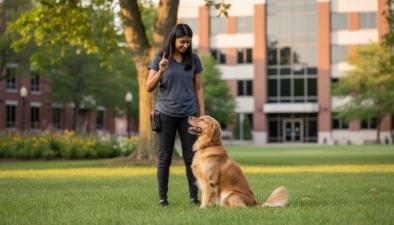
Your Complete Guide to Choosing a Dog Trainer in Islamorada and Surrounding Areas
Life with a dog in Islamorada is uniquely beautiful. Your days involve walks along breezy shores, trips to the marina, and navigating busy Overseas Highway sidewalks. A well-trained dog is essential for safety and enjoyment here. They need to ignore pelicans on the dock, stay calm during sunset celebrations, and walk politely past crowded outdoor restaurants.
Understanding the local environment is key for any training program. From leash laws on the causeway to respecting protected wildlife areas, a trainer familiar with the Florida Keys can tailor lessons to your island lifestyle.
How to Choose the Right Trainer
Look for a trainer whose methods are based on positive reinforcement. This builds a trusting relationship and is the most effective way to teach reliable behaviors in a distracting paradise. Your dog should learn to be calm around fishing boats, ignore iguanas, and wait patiently at pet-friendly patio cafes.
Professional credentials indicate a commitment to science-based methods. Look for certifications like CPDT-KA or KPA-CTP. For serious behavior issues like fear or aggression, a credential such as CBCC-KA or IAABC-CDBC is important.
In-home sessions are invaluable for addressing behaviors specific to your home and yard. Group classes provide controlled settings to practice manners around other dogs, which is helpful before visiting busier community spots.
Common Dog Training Methods Explained
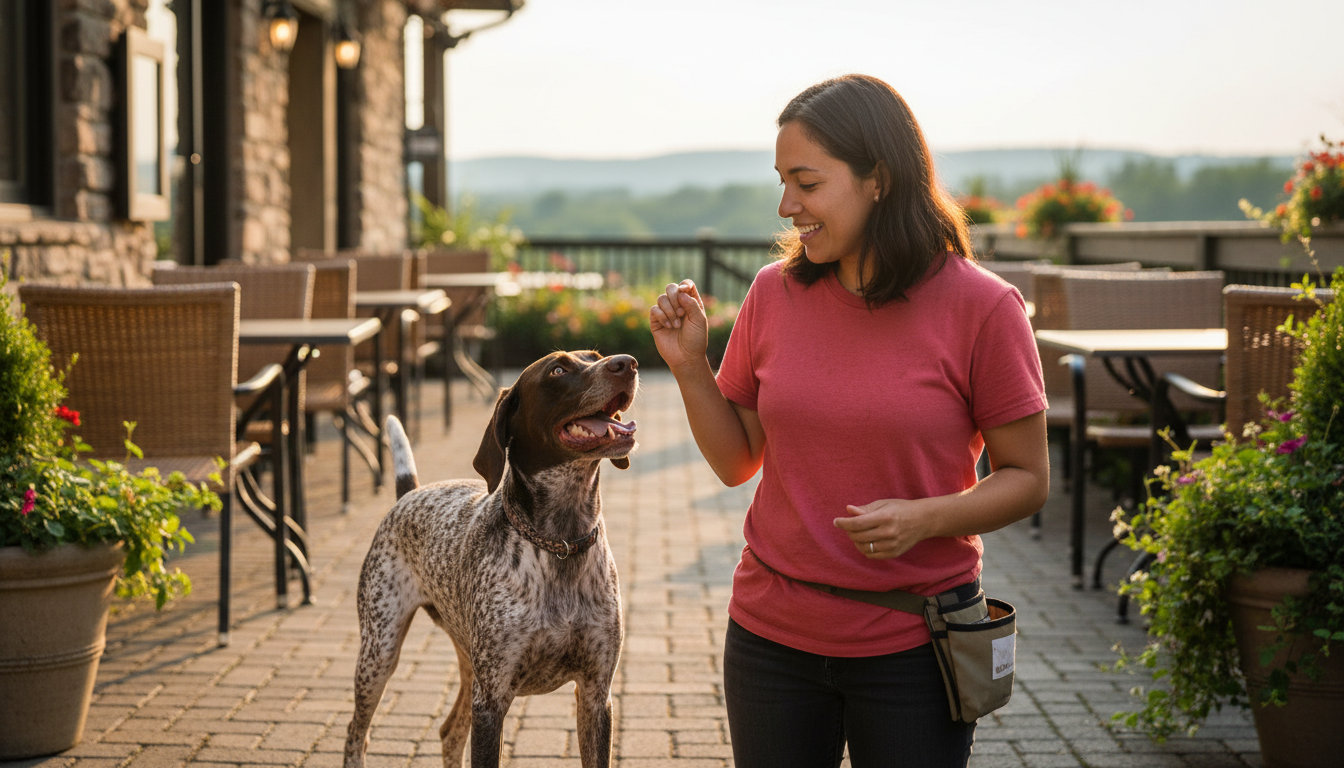
Reward-based training is the humane and effective standard. It focuses on teaching your dog what to do instead of punishing unwanted actions. This approach is ideal for creating a confident, well-behaved dog who can handle Islamorada’s unique stimuli.
Basic obedience includes sit, down, stay, recall, and loose-leash walking. These are the foundation for safety near water and busy roads.
Puppy training prioritizes socialization, potty training, bite inhibition, and crate training. Early positive experiences set puppies up for success in the Keys’ vibrant environment.
Behavior modification addresses problems like reactivity, separation anxiety, or fear through structured desensitization. This is often needed for dogs startled by loud boats or unfamiliar wildlife.
Private lessons offer personalized attention for specific goals. Day training can accelerate learning for busy owners. Group classes provide socialization and proofing skills around distractions.
Specialized training, like service or therapy dog work, requires a detailed, goal-oriented program with public access training.
Avoid any trainer who uses fear, intimidation, or pain as tools. These methods can increase aggression and anxiety, which is unsafe in a community-focused area like Islamorada.
Average Cost of Dog Training in Islamorada, FL (Updated for 2026)
Pricing in the Upper Keys reflects the local cost of living and may include travel fees for trainers coming from other islands. Costs vary based on the trainer’s experience, program length, and your dog’s needs.
| Service Type | Average Cost (Islamorada/Monroe County) |
|---|---|
| Puppy Class (4-6 week series) | $175 – $300 total |
| Group Obedience Class (4-6 weeks) | $180 – $325 total |
| Private Lesson (60 min) | $100 – $175 per session |
| In-Home Training Package (4-6 sessions) | $450 – $950 total |
| Day Training (per week) | $500 – $1,100 |
| Behavior Consultation | $175 – $300 initial |
| Board and Train (2-3 weeks) | $2,500 – $5,500+ |
Travel fees for in-home service may apply, especially for trainers based in Key Largo or Marathon. Always ask for a clear outline of costs and what is included before starting a training program.
Questions to Ask a Potential Dog Trainer
- What is your primary training philosophy, and how do you use positive reinforcement?
- What professional dog trainer certifications do you hold, and how do you continue your education?
- How will you adapt the training plan for life in the Florida Keys, considering distractions like water, wildlife, and tourists?
- Do you offer in-home, group, or day training, and which do you recommend for my goals?
- How do you measure progress and what does follow-up support look like?
- Can you provide proof of liability insurance?
- For behavior issues, are you willing to collaborate with my veterinarian?
- What is your total fee structure, including any travel charges or package details?
Local Islamorada Rules and Considerations
Monroe County and the Village of Islamorada have specific ordinances to protect pets, people, and the sensitive ecosystem.
Dogs must be on a leash and under the owner’s control in all public areas, including beaches, parks, and the historic walking path. The only legal off-leash areas are designated dog parks.
Florida state law and Monroe County ordinance require all dogs over four months old to be vaccinated against rabies. The rabies tag must be worn on the dog’s collar.
Excessive barking that disturbs neighbors can lead to nuisance complaints. Training for alert barking and separation anxiety is important in close-knit island neighborhoods.
While Florida doesn't license dog trainers specifically, all businesses must have a local occupational license. Trainers should carry professional liability insurance. Those offering board and train must comply with Florida's commercial kennel regulations.
Local Islamorada Resources for Dog Owners
These locations provide excellent settings to practice training in real-world environments. Always follow posted rules, clean up after your dog, and be mindful of wildlife.
- Founders Park: This community park has a dedicated, fenced dog park area perfect for safe off-leash play and recall practice. Note that dogs are not allowed on the human beach or in the swimming lagoon.
- Anne’s Beach: Dogs are permitted on-leash at this scenic beach. It’s a fantastic but challenging place to practice calm behavior around water, birds, and other visitors.
- Florida Keys Overseas Heritage Trail: The sections running through Islamorada are ideal for structured leash walking exercises with plenty of distractions.
- Monroe County Animal Shelter: Provides local resources for licensing, low-cost microchipping, and adoption services.
FAQs
How much does in-home dog training cost?
In Islamorada, a single in-home private lesson typically ranges from $100 to $175. Multi-session packages often provide better value and range from $450 to $950.
Is in-home dog training worth it?
Yes, especially in Islamorada. A trainer can address specific issues in your home environment, like door-dashing when the landscaper arrives or reactivity at your canal-side fence line. They can then transition training to your neighborhood or nearby public spaces.
Can you pay someone to house train your dog?
Many trainers offer puppy programs that include house training plans. Some day training services will also work on this skill, teaching your dog the routine while coaching you on maintaining consistency.
What is the 3-3-3 rule for dog training?
This is a guideline for newly adopted dogs. Allow 3 days to decompress, 3 weeks to learn your routines, and 3 months to feel fully secure. A good trainer will design a plan that respects this adjustment period.
How long will it take to reach my training goals?
For basic obedience and manners, expect 4-8 weeks of consistent practice. More complex behavior modification for fear or reactivity often requires a longer-term commitment of several months.
What should I bring to group classes?
Bring a well-fitting harness or collar, a 6-foot leash, high-value treats, water, and your dog’s vaccination records. Avoid retractable leashes for class safety.
What’s the leash law in Islamorada?
Islamorada and all of Monroe County have a strict leash law. Dogs must be on a leash no longer than 8 feet and under the owner’s control in all public areas, unless in a designated off-leash dog park.
Do I need a dog license in Islamorada or Monroe County?
Monroe County does not issue a general pet license. However, a current County rabies tag is mandatory and serves as your dog’s license. This tag must be displayed on your dog’s collar.
What shots does my dog need in Monroe County or Florida?
Rabies vaccination is legally required. Your veterinarian will also recommend core vaccines (DAPP) and may suggest vaccines for leptospirosis or bordetella based on your dog’s exposure risk in the subtropical environment.
Are dog trainers required to be licensed in Islamorada or Monroe County or Florida?
Florida does not have a specific state license for dog trainers. Trainers must operate with a standard local business license. Those who board dogs fall under Florida’s animal boarding facility regulations.
Where can I practice off-leash recall?
The fenced dog park at Founders Park is the only public, legal place for off-leash activity in Islamorada. Always ensure your dog has reliable recall before using the park.
Which dog parks allow training around Islamorada?
The dog park at Founders Park is the primary local option. For more variety, some residents visit dog parks in Key Largo or Marathon, which also provide fenced, secure areas for training exercises.
What beaches or trails allow dogs for training?
Dogs on-leash are welcome at Anne’s Beach and along the paved Florida Keys Overseas Heritage Trail. These are excellent for practicing loose-leash walking with real-world distractions like cyclists, joggers, and wildlife.
Are there unique wildlife concerns for dog training in the Keys?
Absolutely. Training a strong “leave it” command is crucial for the safety of your dog and protected wildlife. This helps prevent chasing iguanas, bothering nesting birds, or investigating potentially dangerous creatures like cane toads.