Your Complete Guide to Choosing a Dog Trainer in Kula and Surrounding Areas
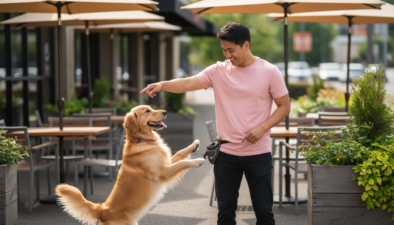
Life in Kula means enjoying the quiet, upcountry lifestyle with stunning views and open spaces. Your dog gets to experience a unique environment, from quiet country roads to the bustling community events in nearby towns. This setting requires a dog who is calm on leash around farm animals, respectful of your neighbors’ peace, and adaptable to both rural solitude and occasional trips to busier areas. Finding a dog trainer who understands the specific rhythm of upcountry Maui life is the first step to a harmonious relationship with your pet.
How to Choose the Right Trainer
Look for a professional dog trainer whose methods align with creating a confident, well-behaved dog for the Kula lifestyle. This means your dog should learn to walk politely on leash past horses and chickens, remain calm during windy weather that can stir up scents and sounds, and be manageable if you venture down to busier areas like Pukalani or Kahului for errands. A trainer who uses *positive reinforcement* training builds trust and ensures your dog enjoys learning.
Credentials offer a reliable way to gauge a trainer’s education and commitment. Look for certifications like the CPDT-KA or KPA-CTP. For serious behavior issues like severe fear or aggression, a credential such as the IAABC-CDBC indicates specialized knowledge. In-home dog training sessions are particularly valuable in Kula for addressing behaviors specific to your property, like territorial barking or recall skills in a large yard, before practicing in more public spaces.
Common Dog Training Methods Explained
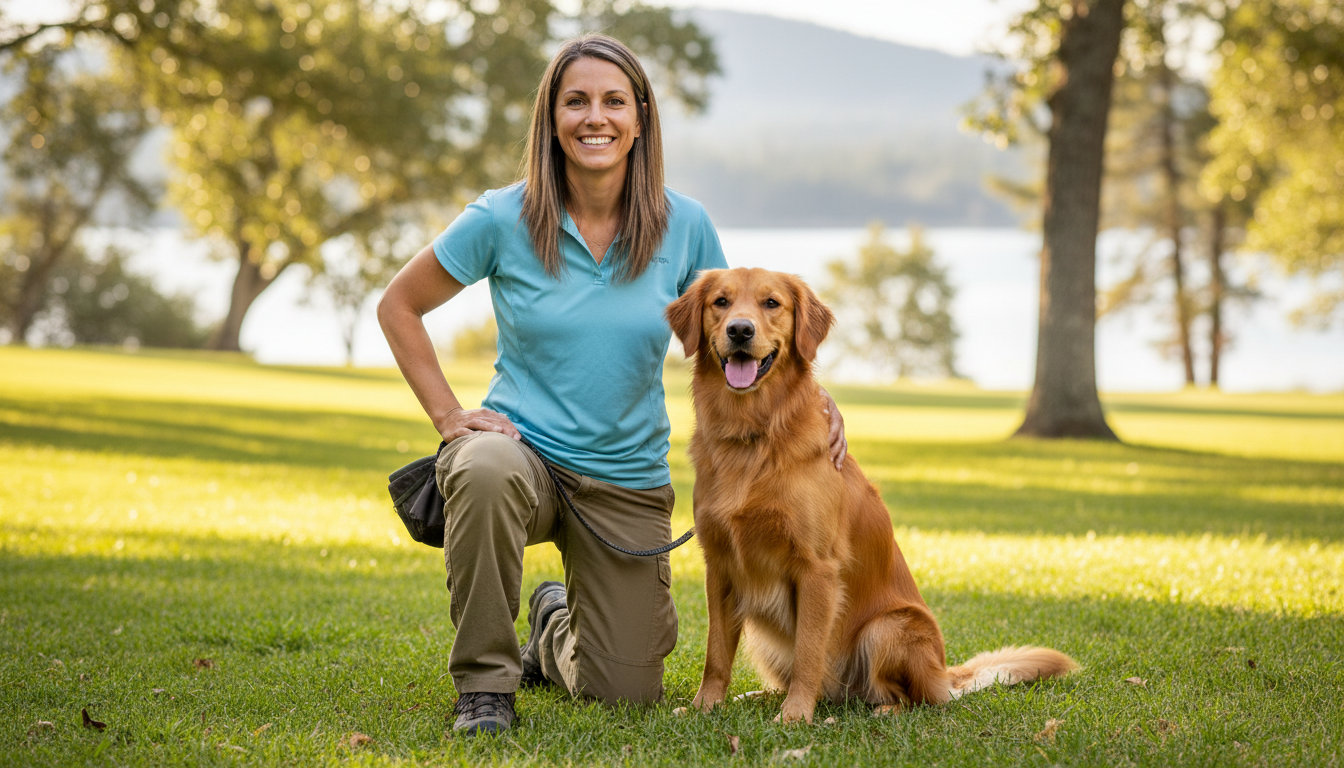
Modern, science-based training focuses on rewarding your dog for making good choices. This approach is not only the most humane but also the most effective for creating lasting behavior change. It helps ensure your dog can meet the expectations of living in a close-knit upcountry community.
Basic obedience covers essential cues like sit, stay, come, and loose-leash walking. These skills are the foundation for safety on rural roads and politeness when visitors come to your home. Puppy training is crucial for setting up good habits early, focusing on socialization to novel sights and sounds, bite inhibition, and potty training routines.
Behavior modification addresses issues like reactivity to other animals, separation anxiety, or fearfulness through carefully managed programs. Given Maui’s limited specialist resources, a trainer who can collaborate with your veterinarian is a significant asset. Group classes may be found in larger towns and are excellent for practicing manners around distractions once your dog has foundational skills.
It’s important to avoid trainers who rely on intimidation or pain to suppress behavior. These methods can increase fear and anxiety, which is counterproductive to having a calm, happy dog in your Kula home.
Average Cost of Dog Training in Kula, HI (Updated for 2026)
Training costs on Maui are generally higher than the national average due to island economics. Prices in Kula and across Maui County reflect the trainer’s expertise, travel time to upcountry locations, and the type of service. The following table outlines typical costs for dog training services in the area.
| Service Type | Average Cost (Maui County) |
|---|---|
| Puppy Group Classes (6 weeks) | $200–$350 total |
| Adult Group Obedience Classes (6 weeks) | $220–$380 total |
| Private Lessons (60 min) | $120–$200 per session |
| In-Home Training Packages (4-6 sessions) | $500–$1,100 total |
| Day Training (Trainer works with your dog) | $600–$1,200 per week |
| Behavior Consultation | $175–$300 initial |
| Board and Train Programs (2-3 weeks) | $2,500–$5,500+ total |
Many trainers serving Kula will include a travel fee for upcountry locations. Always ask for a clear breakdown of costs and what is included in any package or training program.
Questions to Ask a Potential Dog Trainer
- What is your primary training philosophy, and how do you use positive reinforcement?
- What professional dog trainer certifications, like CPDT-KA, do you hold?
- How do you tailor your training program for dogs living in rural upcountry environments like Kula?
- Do you offer in-home sessions, and how do you handle travel to upcountry areas?
- What does your process look like for addressing behavior issues like barking or livestock chasing?
- Can you provide proof of liability insurance?
- Will you collaborate with my veterinarian if needed for behavior medication or advice?
- What is your policy on cancellations or rescheduling?
Local Kula Rules and Considerations for Dog Owners
Maui County’s laws apply to all residents in Kula. These rules are designed to protect public health, wildlife, and the peace of the community.
Dogs must be on a leash no longer than 10 feet and under control whenever they are off the owner’s property. This is strictly enforced to protect livestock, native wildlife, and the safety of your dog on winding roads. Maui County has a strict noise ordinance. Excessive, habitual barking that disturbs neighbors can result in citations, making bark training an important consideration.
Hawaii state law and Maui County Code require all dogs over three months old to be vaccinated against rabies. Although Hawaii is rabies-free, this law is strictly maintained. Dogs must wear a current rabies tag. Maui County also requires dogs to be licensed. You can obtain a license through the Maui Humane Society, which serves as the county’s animal control agency.
The State of Hawaii and Maui County do not require specific licensing for dog trainers. However, any professional trainer operating a business should have a general business license from the county. Reputable trainers will also carry their own liability insurance; don’t hesitate to ask for proof.
Local Kula Resources for Dog Owners
While Kula itself is more rural, these nearby locations provide excellent settings for training and socialization. Always follow posted rules and practice good etiquette.
- Keokea Park: This small, local park offers open space on the way to Ulupalakua. It’s a good spot for early-stage leash training with mild distractions.
- Polipoli Spring State Recreation Area: Leashed dogs are welcome on the forest trails here. The cooler climate and new smells provide a great controlled environment for building focus.
- Maui Humane Society Dog Park (in Puunene): While a drive down the mountain, this is the nearest dedicated, fenced dog park for safe off-leash play and recall practice.
- Beaches: Leashed dogs are permitted on most Maui county beaches before 7 AM and after 7 PM. Always verify local signage, as rules can change.
FAQs
How much does in-home dog training cost?
For Kula, expect to pay between $120 and $200 per private in-home session, with many trainers offering package discounts. The final cost often includes a travel fee for the upcountry location.
Is in-home dog training worth it?
Yes, especially in Kula. An in-home trainer can address behaviors right where they happen—like barking at passing tractors, chasing chickens, or greeting guests at your gate. They can then help you generalize those skills to your specific neighborhood roads.
Can you pay someone to house train your dog?
Absolutely. Many trainers offer puppy packages that include a structured potty training plan. Some day training programs can also accelerate the process by implementing a consistent schedule for your dog.
What is the 3-3-3 rule for dog training?
This is a guideline for a newly adopted or rehomed dog’s adjustment period. It suggests 3 days to decompress from the transition, 3 weeks to learn your household routines, and 3 months to feel fully settled and secure. A good trainer will design a program that supports this timeline.
How long will it take to reach my training goals?
For basic obedience and manners, consistent practice over 6-8 weeks typically yields strong results. More complex behavior modification, like fear or reactivity, often requires a longer-term commitment of several months.
What should I bring to group classes?
Bring a secure collar or harness, a 6-foot leash (not retractable), high-value treats, water, and your dog’s vaccination records. Confirm specific requirements with the trainer beforehand.
What’s the leash law in Kula?
Maui County law requires dogs to be on a leash no longer than 10 feet and under control whenever they are off the owner’s private property. There are no public off-leash areas in upcountry Maui except for designated dog parks in other towns.
Do I need a dog license in Kula or Maui County?
Yes. All dogs in Maui County must be licensed. Licenses are available through the Maui Humane Society and require proof of current rabies vaccination.
What shots does my dog need in Maui County or Hawaii?
Rabies vaccination is legally required for all dogs over three months old. Your veterinarian will also strongly recommend core vaccinations like distemper/parvovirus and bordetella, especially if your dog will be in group settings or boarding.
Are dog trainers required to be licensed in Kula or Maui County or Hawaii?
No specific “dog trainer” license exists. Trainers must operate with a standard Maui County business license. Those offering board and train services from a facility must comply with county boarding kennel regulations.
Where can I practice off-leash recall?
The only safe and legal places are fully fenced dog parks, such as the one at the Maui Humane Society in Puunene. Practicing off-leash anywhere else, including open fields or beaches outside designated hours, is illegal and unsafe.
Which dog parks allow training around Kula?
The primary dedicated dog park is at the Maui Humane Society in Puunene. It provides a fully fenced space for practicing off-leash skills and socialization in a controlled setting.
What beaches or trails allow dogs for training?
Leashed dogs are allowed on most Maui County beaches before 7 AM and after 7 PM, providing a unique training environment. For trails, Polipoli Spring State Recreation Area and certain leashed-friendly sections of Haleakala National Park (outside the summit area) offer great opportunities for training around novel distractions. Always check current rules online before you go.
Are there unique wildlife concerns for dog training in Kula?
Yes. Upcountry areas have chickens, wild pigs, and protected native birds. A key training goal should be a solid “leave it” cue and a reliable recall to keep your dog safe and to protect local wildlife from disturbance.