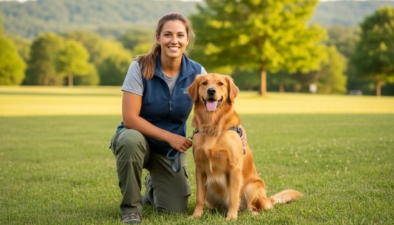
Your Complete Guide to Choosing a Dog Trainer in Mt Hope and Surrounding Areas
Life with a dog in Mt Hope means navigating quiet neighborhood streets, exploring the vast public lands of the New River Gorge area, and enjoying a close-knit community. Your dog needs to be a good neighbor, whether that means not barking excessively in your yard or walking politely on a leash past historic homes. Finding a local professional dog trainer who understands this setting can make all the difference.
Fayette County, where Mt Hope is located, governs many of the rules pet owners follow. A trainer familiar with both county ordinances and the relaxed-yet-responsible vibe of the area can provide the most relevant guidance for your dog training services.
How to Choose the Right Trainer
Look for a professional dog trainer whose methods align with *positive reinforcement* training. This approach builds a willing partnership with your dog, which is essential for reliability around local wildlife or when guests visit. A good trainer will set goals that fit your life, like calm car rides for trips to Lansing or reliable recall for safer explorations.
Checking a trainer’s credentials is a smart way to gauge their expertise. Look for certifications like the CPDT-KA or KPA-CTP, which indicate a commitment to science-based methods. For serious behavior issues like fear or aggression, a certification such as IAABC-CDBC is a strong sign of specialized knowledge. You can learn more about what these mean on our guide to dog trainer certifications.
In-home dog training is highly effective for addressing behaviors in the context where they happen, like jumping on family members or reacting to sounds in your home. Group classes are excellent for practicing obedience around distractions once your dog has some foundational skills.
Common Dog Training Methods Explained
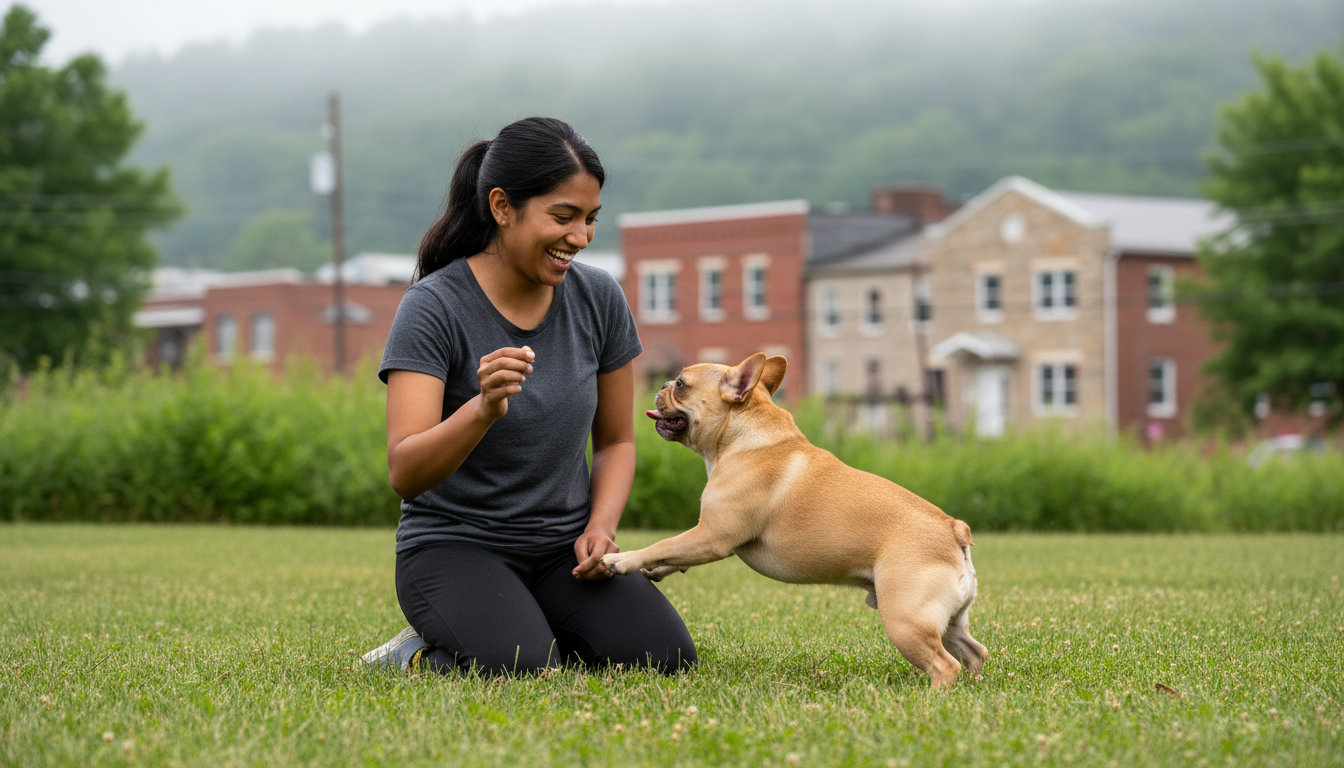
Modern, reward-based training is the most effective and humane path to a well-behaved dog. It focuses on teaching your dog what to do instead of punishing unwanted behaviors. This method strengthens your bond and helps ensure your dog can meet local expectations for public behavior.
Basic obedience training**** covers essential skills like sit, down, stay, and loose-leash walking. These are the building blocks for polite behavior at home and in public spaces throughout Fayette County.
Puppy training is crucial for setting up good lifelong habits. It focuses on socialization, bite inhibition, potty training, and crate training. Starting early in Mt Hope helps your puppy become a confident adult comfortable with the sounds and sights of small-town life.
Behavior modification addresses specific issues like separation anxiety, leash reactivity, or fearfulness. This requires a careful, customized plan to change your dog’s emotional response to triggers, often involving cooperation with your veterinarian.
Private lessons offer one-on-one attention for tailored guidance. Group classes provide a controlled environment to practice skills around other dogs and people. Board and train programs, where the trainer works with your dog intensively, are an option but require thorough research to ensure methods and facilities are humane.
Average Cost of Dog Training in Mt Hope, WV (Updated for 2026)
Training costs in the Mt Hope and greater Fayette County area are generally moderate. Prices vary based on the trainer’s experience, the type of service, and travel distance. The following table reflects the current local market for dog training services.
| Service Type | Average Cost (Mt Hope / Fayette County) |
|---|---|
| Puppy Class (4-6 week series) | $120 – $200 |
| Group Obedience Class (6 weeks) | $140 – $250 |
| Private Lesson (60 min) | $80 – $120 |
| In-Home Training Package (4-6 sessions) | $350 – $700 |
| Day Training (per week) | $400 – $800 |
| Behavior Consultation | $120 – $200 |
| Board and Train (2 weeks) | $1,500 – $2,800 |
Always ask what is included in the price, such as follow-up support or handouts. Some trainers may charge a small travel fee for locations outside a certain radius.
Questions to Ask a Potential Dog Trainer
- What is your primary training philosophy, and can you describe a typical training session?
- What professional credentials or dog trainer certifications do you hold, and how do you continue your education?
- How do you tailor a training program for different dogs and their specific home environments?
- Do you offer in-home sessions, group classes, or both, and which do you recommend for my goals?
- How do you measure progress and what does your communication with clients look like between sessions?
- What are your total fees, and what is your cancellation policy?
- Do you carry professional liability insurance?
- For behavior issues, are you willing to collaborate with my veterinarian?
Local Mt Hope Rules and Considerations
Mt Hope follows Fayette County and West Virginia state regulations. Being aware of these helps you be a responsible owner and informs the skills your dog needs to learn.
Dogs must be under control and on a leash no longer than 10 feet when off the owner’s property, according to West Virginia state code. This is especially important near busy roads like Route 19 or in community spaces.
West Virginia state law mandates that all dogs, cats, and ferrets over six months old be vaccinated against rabies. A valid rabies tag must be attached to the dog’s collar. County-level data shows Fayette County actively enforces this through animal control.
Excessive barking that disturbs the peace is considered a nuisance. Training can help manage alert barking, which is valuable in a quiet residential town like Mt Hope.
West Virginia does not require a specific state license to operate as a dog trainer. However, trainers running a business in Mt Hope must comply with standard county business licensing. Trainers offering board and train services must have a kennel license from the West Virginia Department of Agriculture, which involves facility inspections.
Professional dog trainers are strongly advised to carry general liability insurance. While not always a legal mandate, it protects both the trainer and the client in case of an accident.
Local Mt Hope Resources for Dog Owners
While Mt Hope itself is a small town, the surrounding Fayette County area offers beautiful spots to exercise and train your dog. Always follow posted rules and practice good etiquette.
- New River Gorge National Park and Preserve: Leashed dogs are welcome on most trails within the park. This is an exceptional place to practice focus and leash skills amidst natural distractions. Always check specific trailhead regulations before you go.
- Fayette County Park: Located in nearby Fayetteville, this large park offers open spaces and walking paths where you can practice long-leash skills and obedience in a more public setting.
- Babcock State Park: A short drive from Mt Hope, this park allows leashed dogs on most trails and in the day-use areas, providing another serene setting for training distractions.
- Fayetteville Dog Park: The closest dedicated off-leash dog park is in Fayetteville. It’s a fenced area ideal for practicing recalls and socializing dogs in a safe, controlled environment.
FAQs
How much does in-home dog training cost?
In the Mt Hope area, a single in-home training session typically costs between $80 and $120. Most trainers offer discounted packages for multiple sessions.
Is in-home dog training worth it?
Yes, especially for addressing specific household issues like door-dashing, counter surfing, or interactions with other family pets. The trainer can see your home setup and give you strategies that work in your actual environment.
Can you pay someone to house train your dog?
Many trainers include potty training as a core part of puppy training programs. For adult dogs, trainers can create a customized schedule and routine to successfully house train them.
What is the 3-3-3 rule for dog training?
This is a guideline for adopted dogs. It suggests it takes about 3 days to decompress, 3 weeks to learn your routines, and 3 months to feel at home. A good training plan respects this adjustment period.
How long will it take to reach my training goals?
For basic obedience and manners, you can see significant improvement within 4-6 weeks with consistent practice. More complex behavior modification for issues like fear or reactivity often requires a longer-term commitment of several months.
What should I bring to group classes?
Bring a standard 6-foot leash, a well-fitted collar or harness, high-value treats, and your dog’s vaccination records. Your trainer will likely ask for proof of rabies vaccination.
What’s the leash law in Mt Hope?
West Virginia state law requires dogs to be on a leash no longer than 10 feet when not on the owner’s property. This applies throughout Mt Hope and Fayette County.
Do I need a dog license in Mt Hope or county?
Fayette County does not issue a general dog license. However, West Virginia requires a current rabies vaccination, and the metal rabies tag must be on your dog’s collar at all times.
What shots does my dog need in county or West Virginia?
Rabies vaccination is legally required. Your veterinarian will also recommend core vaccines like DHPP (distemper, hepatitis, parainfluenza, parvovirus) and bordetella based on your dog’s risk factors.
Are dog trainers required to be licensed in Mt Hope or county or West Virginia?
No specific “dog trainer” license exists. Trainers must have a standard county business license. If they board dogs (as in a board and train program), a West Virginia kennel license is required.
Where can I practice off-leash recall?
The only safe and legal places are fully enclosed, designated dog parks. The Fayetteville Dog Park is the nearest public option for practicing off-leash skills.
Which dog parks allow training around Mt Hope?
The Fayetteville Dog Park is the primary nearby fenced area suitable for training exercises like recall and supervised play.
What beaches or trails allow dogs for training?
While there are no beaches, the trails at New River Gorge National Park, Babcock State Park, and the Fayette County Park paths are excellent for leashed walking and practicing obedience amidst natural distractions.