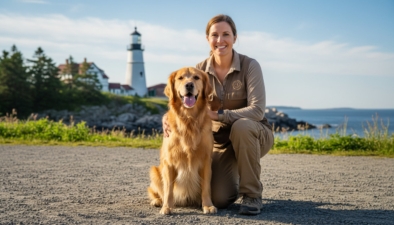
Your Complete Guide to Choosing a Dog Trainer in Portland
Living with a dog in Portland means navigating the lively Old Port sidewalks, enjoying the Eastern Promenade, and visiting breweries with patio seating. A well-trained dog needs to handle these urban environments calmly, from walking politely on a crowded Commercial Street to settling down at a busy picnic table at Thompson’s Point.
Portland is located in Cumberland County, and many local regulations align with city and county guidelines. Finding a trainer who understands these local specifics means your training program will be designed for success in your actual daily life, from your Munjoy Hill apartment to trails in nearby Falmouth.
How to Choose the Right Trainer
Begin your search by looking for a professional dog trainer who uses modern, force-free methods. The right trainer will help you set goals that fit a Portland lifestyle, like having a calm dog on the Maine State Pier, a reliable recall at the Fore River Sanctuary, and polite greetings with neighbors in the West End.
Checking a trainer’s credentials is a smart way to gauge their education and commitment. Look for certifications like CPDT-KA or KPA-CTP. For serious behavior issues like aggression or severe anxiety, credentials such as IAABC-CDBC or CBCC-KA indicate specialized knowledge.
In-home sessions are excellent for addressing behaviors specific to your living space, like door-dashing in a condo or reactivity on a busy street. Group classes provide a controlled setting to practice skills around other dogs, which is essential before hitting the Portland Farmers’ Market.
Common Dog Training Methods Explained
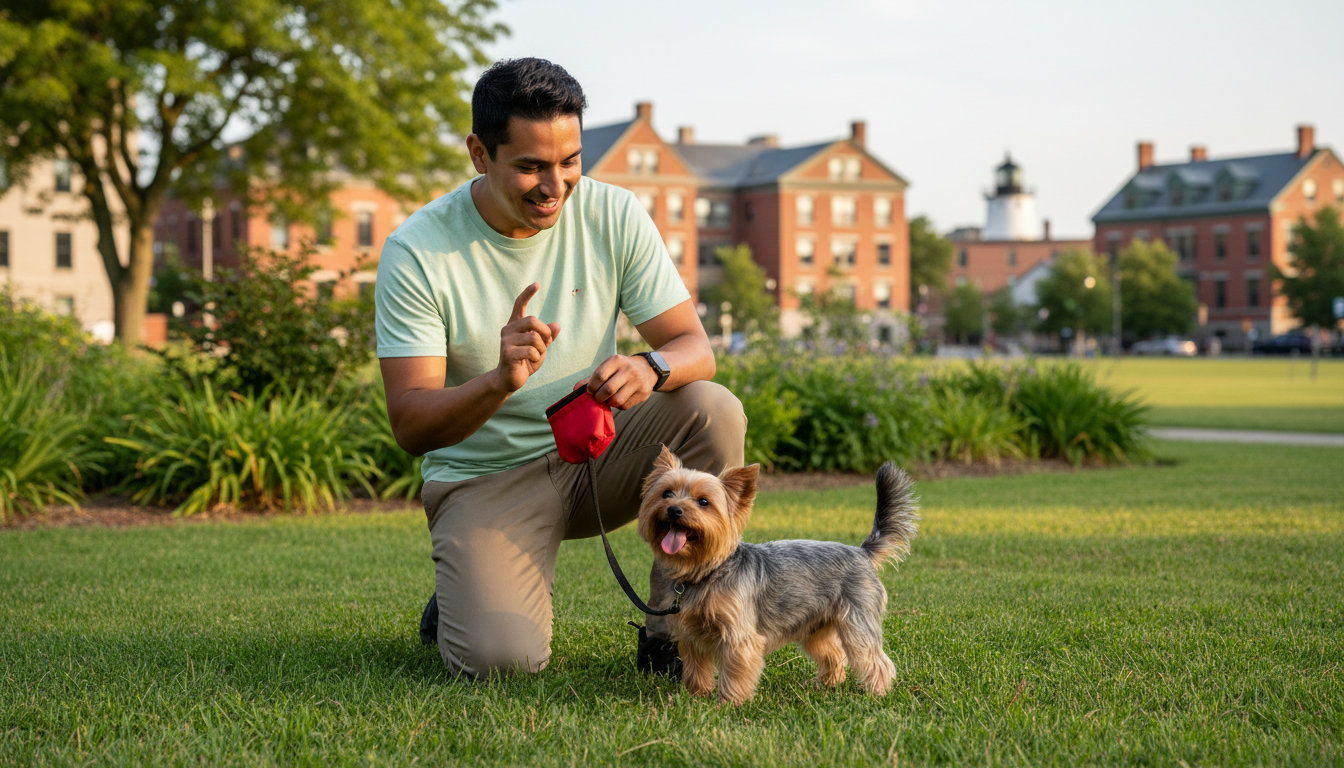
*Positive reinforcement* training builds a trusting relationship with your dog and creates lasting behavioral change. This approach is also the most effective way to ensure you can comply with Portland’s urban leash laws and nuisance ordinances.
Basic obedience training**** covers skills like sit, down, stay, and loose-leash walking. These are the foundation for enjoying Portland’s many dog-friendly patios, walking the Back Cove Trail, and having a manageable pet in tighter living spaces.
Puppy training focuses on critical early lessons like socialization, bite inhibition, and potty training. Starting early in Portland’s stimulating environment helps prevent common problems before they become habits.
Behavior modification addresses issues like leash reactivity, separation anxiety, or fearfulness through structured desensitization. A qualified trainer will often collaborate with your veterinarian for cases involving high anxiety or aggression.
Private lessons offer personalized attention for your specific goals, while group classes teach your dog to work calmly around distractions. Day training or board and train programs can accelerate learning for busy Portland households, but it’s crucial the trainer focuses on teaching you how to maintain the skills.
Specialized training, such as therapy dog or service dog training, requires a structured program to prepare a dog for public access work in settings like Maine Medical Center or the Portland Jetport.
Avoid trainers who use harsh corrections, intimidation, or tools designed to cause discomfort. Not only are these methods inhumane, but they can worsen behavioral problems and increase liability risks in a dense city environment.
Average Cost of Dog Training in Portland, Maine (Updated for 2026)
Pricing in the Portland and Cumberland County area varies based on the trainer’s experience, session length, and service type. Below is a general overview of current average costs for professional dog training services.
| Service Type | Average Cost (Portland/Cumberland County) |
|---|---|
| Puppy Class (6 weeks) | $180 – $300 total |
| Group Obedience Class (6 weeks) | $200 – $350 total |
| Private Lesson (60 min) | $100 – $180 per session |
| In-Home Training Package (4-6 sessions) | $450 – $950 total |
| Day Training (per week) | $500 – $1,100 |
| Behavior Consultation | $150 – $275 initial |
| Board and Train (2-3 weeks) | $2,200 – $5,000 total |
Travel fees may apply for in-home services, especially for areas outside the peninsula like Deering Center or North Deering. Complex behavior cases typically command rates at the higher end of these ranges.
Questions to Ask a Potential Dog Trainer
- What is your primary training philosophy, and how do you ensure sessions are positive for my dog?
- What professional certifications, like CPDT-KA or others, do you hold, and how do you pursue continuing education?
- Can you create a customized plan for my dog’s needs and my goals for living in Portland?
- What types of services do you offer (in-home, group classes, day training) and which do you recommend for my situation?
- How do you measure progress and what does communication look like between sessions?
- What are your total fees, and what is your cancellation policy?
- Do you carry professional liability insurance, and can you provide proof?
- For behavior issues, are you willing to collaborate with my veterinarian?
- What will my homework be, and how much daily practice time should I expect?
Local Portland Rules and Considerations
Portland has specific ordinances designed to keep people, pets, and wildlife safe in our shared urban spaces. A good trainer will help you navigate these rules successfully.
Dogs must be leashed and under control in all public areas unless in a designated off-leash zone. A standard 6-foot leash is required on city sidewalks, parks (unless signed otherwise), and trails.
Maine state law requires all dogs to be vaccinated against rabies. The City of Portland also mandates that dogs be licensed annually. Licensing requires proof of a current rabies vaccination and spay/neuter certificate for a reduced fee.
Excessive barking is considered a nuisance. Training can help manage alert barking, which is especially important in close-quarter neighborhoods like the East End or the West End.
Professional dog trainers operating a business in Portland must obtain a general business license from the city. While the state does not license trainers specifically, any business offering board and train services must comply with Maine’s boarding kennel regulations and may require licensing through the state.
It is highly recommended that all professional dog trainers carry liability insurance. Many public spaces and venues where they might hold classes require proof of insurance.
Local Portland Resources for Dog Owners
These locations provide excellent environments to practice training in real-world settings. Always follow posted rules and practice good etiquette to keep these spaces welcoming.
- Quarry Run Dog Park: A popular, fully fenced off-leash area in Portland. Ideal for practicing recalls and social skills in a controlled environment.
- Fore River Sanctuary: Features trails where leashed dogs are welcome. Great for practicing loose-leash walking with natural distractions.
- Eastern Promenade Trail: A bustling multi-use path. Perfect for advanced training around joggers, bikes, and other dogs while on-leash.
- Back Cove Trail: A 3.5-mile loop. Excellent for building endurance and focus during long walks in a busy setting.
- Maine Dog Owners Group (MaineDOG): A volunteer organization that advocates for and maintains several off-leash areas in the Greater Portland region.
FAQs
How much does in-home dog training cost?
In the Portland area, a single in-home session typically costs between $100 and $180. Most trainers offer package discounts, bringing the per-session cost down for multi-session commitments.
Is in-home dog training worth it?
Yes, particularly for Portland residents. It allows you to address behaviors exactly where they happen—like jumping on guests in a condo, barking at hallway noises, or reacting to dogs seen from a window. The trainer can then help you generalize those skills to your specific neighborhood walks.
Can you pay someone to house train your dog?
Many trainers offer puppy programs that include a structured potty training plan. Some day training services can also implement the schedule and techniques during the day, accelerating the process while teaching you how to maintain consistency.
What is the 3-3-3 rule for dog training?
This is a guideline for adopted dogs. It suggests it takes about 3 days to decompress, 3 weeks to learn routines, and 3 months to feel at home. A good trainer will tailor their approach to this adjustment period.
How long will it take to reach my training goals?
For basic manners and puppy training, consistent practice over 6-8 weeks typically yields solid results. For behavior modification like reactivity or anxiety, a longer-term commitment of several months is often necessary for lasting change.
What should I bring to group classes?
Bring a well-fitting harness or collar, a 6-foot leash (not retractable), high-value treats, and your dog’s vaccination records if required by the trainer. Wear comfortable shoes.
What’s the leash law in Portland?
Portland requires dogs to be on a leash no longer than 6 feet in all public areas, unless in a specifically designated and signed off-leash area like a dog park.
Do I need a dog license in Portland or Cumberland County?
Yes. The City of Portland requires all dogs over 6 months old to be licensed annually. You need proof of current rabies vaccination and spay/neuter to receive a reduced license fee.
What shots does my dog need in Maine?
Rabies vaccination is required by state law. Your veterinarian will also recommend core vaccines like distemper/parvovirus and advise on others like bordetella based on your dog’s lifestyle and exposure risk.
Are dog trainers required to be licensed in Portland or Maine?
The State of Maine does not have a specific license for dog trainers. However, trainers operating a business in Portland must obtain a city business license. If they offer boarding as part of a board and train program, state kennel licensing rules apply.
Where can I practice off-leash recall?
Designated dog parks like Quarry Run Dog Park are the only legal and safe public areas for off-leash practice in Portland. Practice during quieter times for initial training.
Which dog parks allow training around Portland?
Quarry Run Dog Park is the primary public off-leash area within city limits. The nearby Happy Tails Dog Park in South Portland and the Falmouth Nature Preserve off-leash area are also popular options for training in a fenced setting.
What beaches or trails allow dogs for training?
From April 1st to June 14th, dog access to most Maine beaches is restricted to protect piping plover nesting. Outside of that period, leashed dogs are often allowed. The Eastern Promenade Trail, Back Cove Trail, and Fore River Sanctuary trails are excellent year-round, on-leash training locations within Portland. Always check municipal signs for the most current rules.