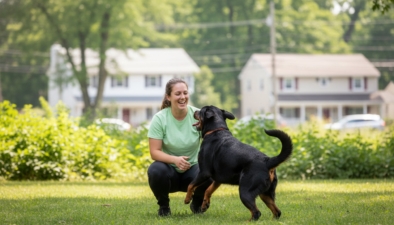
Your Complete Guide to Choosing a Dog Trainer in Reseda
Life with a dog in Reseda means navigating busy streets like Reseda Boulevard, enjoying strolls through Reseda Park, and perhaps grabbing a coffee at a local patio. A well-trained dog makes these everyday moments smoother and safer for everyone. Whether you’re in a quiet neighborhood near Reseda High School or closer to the bustling activity near the Orange Line, the right training program can help your dog become a confident, well-mannered companion.
Reseda is a neighborhood within the city of Los Angeles, located in Los Angeles County. This means local rules and resources are governed by both the City of Los Angeles and the county. Finding a professional dog trainer who understands this specific environment can make a significant difference in your training success.
How to Choose the Right Trainer
Start by looking for a trainer whose philosophy aligns with modern, humane methods like *positive reinforcement* training. This approach is not only effective but also helps ensure your dog remains happy and confident in busy settings, from the Reseda Park Recreation Center to the Topanga Canyon Plaza.
Credentials are a key indicator of a trainer’s commitment to their craft. Look for certifications such as CPDT-KA or KPA-CTP. For serious behavioral issues like aggression or severe anxiety, a certification like CBCC-KA or IAABC-CDBC is a strong sign of specialized expertise. In-home dog training is excellent for addressing issues specific to your home, like door-dashing or resource guarding, while group classes are ideal for polishing skills around other dogs and people in a controlled setting.
Common Dog Training Methods Explained
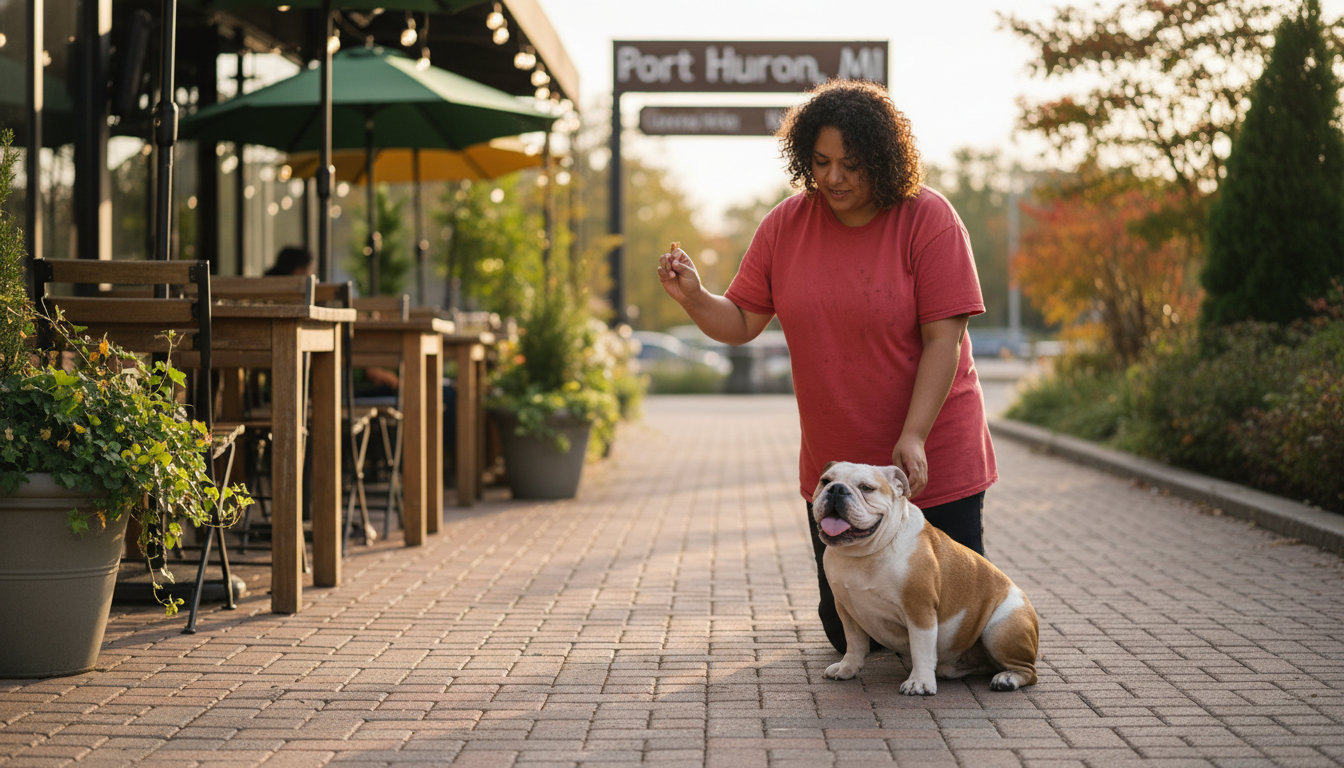
Humane, science-based methods build trust and create lasting behavioral change. In a dense community like Reseda, these methods help you comply with local ordinances while fostering a strong bond with your pet.
Basic obedience training* covers essential cues like sit, stay, come, and loose-leash walking. Mastering these is crucial for calm visits to local spots like the Reseda Farmers Market. *Puppy training focuses on critical early lessons like socialization, potty training, and bite inhibition, setting a foundation for a well-adjusted adult dog.
Behavior modification addresses more complex issues such as fear, reactivity, or separation anxiety through carefully managed techniques. Private lessons offer personalized attention for specific goals, while group classes provide a controlled environment to practice manners around distractions. Specialized paths like service dog training or therapy dog training require meticulous, structured programs focused on public access and specific tasks.
It’s important to avoid trainers who rely on intimidation, fear, or pain. These outdated methods can worsen behavioral problems, damage your relationship with your dog, and potentially lead to incidents that violate local nuisance laws.
Average Cost of Dog Training in Reseda, CA (Updated for 2026)
Pricing in the Los Angeles area, including Reseda, reflects the higher cost of living and business operations. Costs vary based on the trainer’s experience, the type of service, and the complexity of your dog’s needs.
| Service Type | Average Cost (Reseda/LA Area) |
|---|---|
| Puppy Classes (6 weeks) | $200–$350 total |
| Group Obedience Classes (6 weeks) | $220–$400 total |
| Private Lessons (60 min) | $120–$220 per session |
| In-Home Training Packages (4-6 sessions) | $500–$1,200 total |
| Day Training (per week) | $600–$1,200 |
| Behavior Consultation | $200–$350 initial visit |
| Board and Train (2-3 weeks) | $2,500–$6,000+ |
Many trainers offer a free consultation or evaluation to discuss your dog’s needs and their training program before you commit. Always clarify what is included in the price and ask about any travel fees for in-home services in Reseda and surrounding areas.
Questions to Ask a Potential Dog Trainer
- What is your primary training philosophy, and how do you apply positive reinforcement?
- What professional dog trainer certifications do you hold, and how do you pursue continuing education?
- Can you create a customized plan for my dog’s specific challenges and our lifestyle in Reseda?
- Do you offer in-home sessions, group classes, or both, and which do you recommend for my goals?
- How do you measure progress and help us generalize skills to real-world settings like Reseda Park?
- What are your total fees, package options, and cancellation policy?
- Do you carry professional liability insurance? Can you provide proof?
- For behavior issues, are you willing to collaborate with my veterinarian?
- What “homework” will you provide to ensure consistency between our training sessions?
Local Reseda Rules and Considerations
Los Angeles City and County laws are designed to keep people, pets, and wildlife safe. A good trainer will help you navigate these rules seamlessly.
Dogs must be on a leash no longer than six feet in all public areas unless in a designated off-leash dog park. A reliable recall is essential for safe off-leash time. Los Angeles Municipal Code considers habitual barking a nuisance. Training can help manage alert barking and separation anxiety proactively.
California state law mandates rabies vaccinations for dogs over four months old. You must keep the rabies tag on your dog’s collar. While the City of Los Angeles does not require a general dog license, adhering to vaccination laws is non-negotiable. There is no specific city or state license required to operate as a dog trainer in California. However, reputable professional dog trainers should operate as a licensed business in Los Angeles and carry liability insurance to protect themselves and their clients.
Local Reseda Resources for Dog Owners
These local spots provide excellent environments to practice training in real-world scenarios. Always follow posted rules and practice good etiquette.
- Reseda Park Dog Park: A fully fenced, off-leash area perfect for practicing recalls and polite play during quieter hours.
- Lake Balboa Park (Anthony C. Beilenson Park): Located nearby in Van Nuys, this large park features a popular dog park and miles of paved paths for practicing focused leash walks amidst distractions.
- Sepulveda Basin Off-Leash Dog Park: Another nearby large, fenced area ideal for training around other dogs in a controlled setting.
- Los Angeles River Greenway Trail: Access points near Reseda provide long, paved trails for building endurance and focus on long leash walks.
FAQs
How much does in-home dog training cost?
In the Reseda area, a single in-home session typically ranges from $120 to $220. Most trainers offer discounted packages of 4 to 6 sessions, which brings the total average cost to between $500 and $1,200.
Is in-home dog training worth it?
Yes, especially for behaviors that are specific to your home environment. An in-home trainer can address issues like jumping on guests, counter surfing, or reactivity at your front window right where they happen. They can also help you practice leash skills on your actual neighborhood streets.
Can you pay someone to house train your dog?
Many trainers offer puppy packages that include a structured potty training plan. Some day training programs can also accelerate the house training process by implementing a consistent schedule, though owner participation is always crucial for long-term success.
What is the 3-3-3 rule for dog training?
This is a guideline for adopted dogs: 3 days to decompress, 3 weeks to learn your routine, and 3 months to feel fully at home. A good trainer will tailor their approach to respect this adjustment period.
How long will it take to reach my training goals?
For basic obedience and puppy manners, you can see significant improvement within 4 to 8 weeks with consistent practice. For behavior modification like reactivity or fear, expect a commitment of several months for lasting change.
What should I bring to group classes?
Bring a well-fitting harness or flat collar, a 6-foot leash, high-value treats, and your dog’s vaccination records. Avoid retractable leashes, as they are often not permitted in class settings for safety.
What’s the leash law in Reseda?
Within the City of Los Angeles, dogs must be on a leash no longer than six feet in all public spaces, including parks and sidewalks, unless in a signed off-leash area.
Do I need a dog license in Reseda or county?
The City of Los Angeles does not issue a general dog license. However, you are required by California state law to keep your dog’s current rabies vaccination tag on its collar at all times.
What shots does my dog need in county or CA?
Rabies vaccination is legally required. Your veterinarian will also strongly recommend core vaccines like DHPP (distemper, hepatitis, parainfluenza, parvovirus) and may suggest others like bordetella based on your dog’s exposure risk.
Are dog trainers required to be licensed in Reseda or county or CA?
California does not have a state-level license for dog trainers. Trainers should have a general business license from the City of Los Angeles and are strongly advised to carry liability insurance.
Where can I practice off-leash recall?
The fenced dog parks listed above, like Reseda Park Dog Park or Sepulveda Basin, are the only legal and safe places to practice off-leash skills in the area.
Which dog parks allow training around Reseda?
All designated off-leash dog parks allow training within them. Reseda Park Dog Park is the most local option. For more space, the dog parks at Lake Balboa and the Sepulveda Basin are excellent nearby choices.
What beaches or trails allow dogs for training?
While beaches in Santa Monica and Malibu have restrictive dog rules, many local trails welcome leashed dogs. The Los Angeles River Greenway and trails in the Santa Monica Mountains National Recreation Area (like Caballero Canyon) are great for practicing leash skills around natural distractions.
Is “Board and Train” regulated in Los Angeles County?
Facilities that offer board and train services where dogs are kept overnight are subject to California's boarding kennel regulations under the California Health and Safety Code. They must be licensed and inspected by the local animal care and control department. Always verify a facility’s current license status.