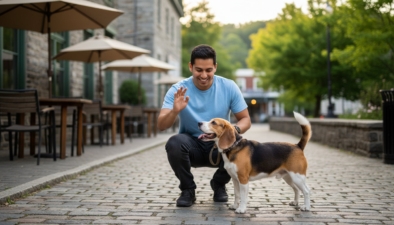
Your Complete Guide to Choosing a Dog Trainer in Surf City and Surrounding Areas
Living with a dog in Surf City means navigating a unique coastal lifestyle. From the busy summer season on the beach strand to quiet walks through the live oak neighborhoods, your dog needs to be a calm and reliable companion. Finding a local trainer who understands this environment is the key to success, whether your goal is a polite pup on the Topsail Island bridge walkway or a dog that stays relaxed during a summer thunderstorm.
As part of Pender County, local rules often blend town ordinances with county and state guidelines. A trainer familiar with these details can tailor your training plan to fit life on the island and beyond, ensuring your dog is a good neighbor and a safe pet.
How to Choose the Right Trainer
Look for a professional who uses *positive reinforcement* training and can set goals that make sense for Surf City living. This means your dog should learn to ignore beach debris, walk calmly on a leash even with shorebird distractions, and be comfortable with the sounds and crowds of peak season.
Credentials from a reputable organization offer a good benchmark for a trainer’s knowledge. Common dog trainer certifications include the CPDT-KA for general obedience or the IAABC-CDBC for complex behavior issues. For serious cases involving fear or aggression, a certification like the CBCC-KA indicates specialized skill.
In-home sessions are excellent for tackling issues specific to your home, like door-dashing when you come back from the beach or counter-surfing in a vacation rental layout. Group classes provide a controlled setting to practice skills around other dogs, which is vital before heading to busier public areas.
Common Dog Training Methods Explained
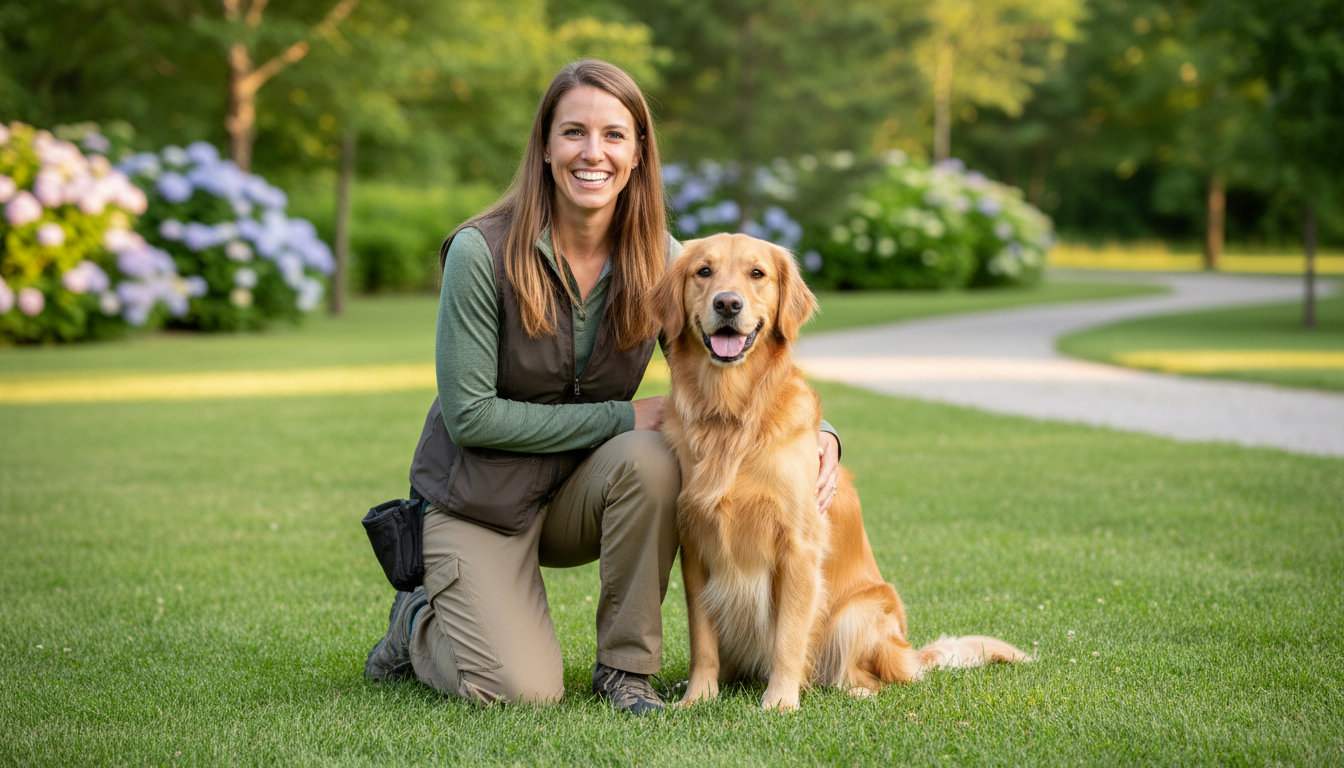
Reward-based methods build a strong bond and encourage your dog to make good choices willingly. This approach is especially helpful for maintaining compliance with local leash laws and ensuring your dog is a welcome guest anywhere.
Basic obedience covers essential commands like sit, stay, come, and loose-leash walking. These skills are the foundation for safe beach visits, patio dining, and managing distractions from golfers or cyclists on the island paths.
Puppy training focuses on early socialization, potty training, bite inhibition, and crate training. Starting early in a positive way helps prevent common problems and sets your pup up for a confident life in a dynamic coastal community.
Behavior modification addresses specific issues like fear of fireworks, reactivity to other dogs on narrow sidewalks, or separation anxiety. This work requires a careful, structured plan, often developed in partnership with your veterinarian.
Private lessons allow for a fully customized training program in your own environment. Day training programs can accelerate learning for busy owners. Group classes are ideal for practicing obedience and polite manners around other dogs and people in a structured setting.
It is important to avoid trainers who rely on fear, intimidation, or pain to suppress behavior. These methods can worsen anxiety and reactivity, creating more danger and stress for your dog and the community.
Average Cost of dog training in Surf City, NC (Updated for 2026)
Pricing in the Surf City and greater Pender County area is influenced by the trainer’s experience, session length, and travel requirements. The following table reflects current local averages for professional dog training services.
| Service Type | Average Cost (Surf City/Pender County) |
|---|---|
| Puppy classes (4–6 weeks) | $140–$250 total |
| Group obedience classes (4–6 weeks) | $150–$280 total |
| Private lessons (60 min) | $90–$150 per session |
| In-home coaching packages (4–6 visits) | $400–$850 total |
| Day training (per week) | $400–$800 |
| Behavior consultation (initial) | $140–$225 |
| Board and train (2–3 weeks) | $1,800–$3,500 total |
Travel fees for services on Topsail Island or in more remote parts of the county are common. Costs for complex behavior work are typically at the higher end of these ranges.
Questions to Ask a Potential Dog Trainer
- What is your primary training philosophy, and how do you ensure sessions are positive and stress-free for my dog?
- What professional credentials, such as CPDT-KA, do you hold, and how do you continue your education?
- How will you customize a training plan for my dog’s needs and our specific Surf City lifestyle, including beach outings?
- Do you offer in-home, group, or day training, and which do you recommend for my goals?
- How do you measure progress and help us transition training to more distracting environments?
- What is your total fee structure, including any travel charges, and what is your cancellation policy?
- Do you carry professional liability insurance?
- For behavior problems, are you willing to collaborate with my veterinarian?
- What homework or practice will you provide between our sessions?
Local Surf City Rules and Considerations
Surf City has specific ordinances designed to protect public safety, wildlife, and the enjoyment of shared spaces, especially the beach. Pender County enforces North Carolina's state animal laws as well.
From the Friday before Memorial Day through the Friday after Labor Day, dogs are prohibited on the strand (beach) between 9:00 AM and 5:00 PM. During allowed hours, dogs must be on a leash no longer than 20 feet and under the owner’s control at all times. Leashes are required in all other public areas year-round.
North Carolina state law requires all dogs over four months old to be vaccinated against rabies and to wear a rabies tag. Pender County Animal Shelter provides low-cost vaccination clinics periodically.
Excessive or continuous barking that disturbs the peace is considered a nuisance. Training to manage alert barking is important for maintaining good neighbor relations, particularly in close-knit island communities. Trainers using town property for commercial sessions may need to obtain a permit.
North Carolina does not require a specific state license to operate as a dog trainer. However, any business offering board and train services must comply with state kennel regulations overseen by the NC Department of Agriculture's Animal Welfare Section.
Local Surf City Resources for Dog Owners
These local spots provide excellent opportunities to practice training in real-world settings. Always observe posted rules, especially seasonal beach restrictions.
- Surf City Dog Park: Located at 201 Community Center Drive, this fenced park is a great place for safe off-leash play and practicing recalls in a controlled setting.
- Soundside Park: Offers leashed walking paths along the Intracoastal Waterway, perfect for practicing loose-leash walking with plenty of sights and smells.
- Topsail Island Beach: Ideal for off-season and early/late day leash training sessions. The wide-open space is excellent for building focus with distractions like waves and shorebirds.
- Holly Shelter Game Land (Maintained Trails): Located in the Pender County mainland, these trails offer leashed hiking opportunities in a natural setting for advanced distraction training.
FAQs
How much does in-home dog training cost?
In the Surf City area, a single in-home session typically costs between $90 and $150. Most trainers offer package discounts for booking multiple sessions at once.
Is in-home dog training worth it?
Yes, for many Surf City residents, it is highly valuable. An in-home trainer can address problems exactly where they happen, like jumping on guests in your beach house, door-dashing into a busy street, or reacting to neighbors in a condo complex. They can also immediately practice skills on your local streets or pathways.
Can you pay someone to house train your dog?
Many trainers offer puppy programs that include a structured potty training plan. Some day training services can also accelerate the process by implementing a consistent schedule and reinforcing good habits throughout the day.
What is the 3-3-3 rule for dog training?
This is a general guideline for adopted dogs. It suggests 3 days to decompress from the stress of rehoming, 3 weeks to start learning your routine, and 3 months to feel fully settled and secure in their new home. Effective training respects this adjustment timeline.
How long will it take to reach my training goals?
For basic manners and puppy training, consistent practice over 4-8 weeks usually yields solid results. More complex behavior issues like fear or leash reactivity often require a longer-term commitment of several months to see reliable change.
What should I bring to group classes?
Bring a well-fitting collar or harness, a 6-foot non-retractable leash, high-value treats, and a copy of your dog’s vaccination records if requested. Bring water and a mat or towel for “place” training if your trainer recommends it.
What’s the leash law in Surf City?
Dogs must be on a leash and under control in all public areas. On the beach during the summer restricted hours (9 AM-5 PM), dogs are not allowed. During permitted hours, a leash up to 20 feet is allowed on the strand. A standard 6-foot leash is recommended for most other situations.
Do I need a dog license in Surf City or Pender County?
Pender County does not issue a general pet license. However, you are required by North Carolina state law to keep your dog’s rabies vaccination current and the metal tag attached to their collar.
What shots does my dog need in Pender County or North Carolina?
Rabies vaccination is legally required. Your veterinarian will also recommend a core vaccine series (often called DAPP or DHPP) for distemper and parvovirus, and may suggest bordetella (kennel cough) based on your dog’s lifestyle and potential exposure.
Are dog trainers required to be licensed in Surf City or Pender County or North Carolina?
No specific professional license is required to be a dog trainer in North Carolina. Trainers must operate as a legal business. If they offer boarding as part of a “board and train,” their facility must be licensed as a boarding kennel by the state.
Where can I practice off-leash recall?
The Surf City Dog Park is the primary local, legal option for safe off-leash practice. Using a long-line leash (30-50 feet) in other open, permitted areas like the beach during off-season hours can provide more space while maintaining control.
Which dog parks allow training around Surf City?
The Surf City Dog Park is designed for off-leash activity and is suitable for training recalls and polite play. Always be mindful of other park users and choose less busy times for focused training sessions.
What beaches or trails allow dogs for training?
The Surf City strand allows leashed dogs during non-restricted hours, providing a fantastic training environment with natural distractions. Soundside Park offers paved trails for leashed walking practice. For more rugged trails, the mainland sections of Holly Shelter Game Land permit leashed dogs.
Finding the right dog trainer in Surf City means partnering with someone who gets the local vibe. With a humane, positive approach and consistent practice in your unique coastal setting, your dog can become a confident and well-mannered member of the community. Don’t hesitate to ask prospective trainers about their dog trainer certifications and experience with the specific challenges of island life.