Your Complete Guide to Choosing a Dog Trainer in Valley Ford and Surrounding Areas
Life with a dog in Valley Ford means peaceful walks along rural roads, visits to nearby coastal trails, and navigating a community where everyone knows each other. Your dog needs to be a good neighbor, from being calm around livestock to having reliable recall when distractions like wildlife appear.
Valley Ford is located in Sonoma County, and local dog regulations are generally governed at the county level. Finding a trainer who understands this unique rural and coastal environment is key to success.
How to Choose the Right Trainer
Look for a professional dog trainer who uses *positive reinforcement* training and can set goals for the Sonoma County lifestyle. This means preparing your dog to ignore free-roaming chickens, walk politely on a leash past grazing animals, and stay calm during trips to busier spots in Petaluma or Bodega Bay.
Credentials offer a quick way to gauge a trainer’s education and commitment. Common dog trainer certifications include CPDT-KA for knowledge, KPA-CTP for hands-on skill, or IAABC-CDBC for complex behavior issues.
In-home sessions are ideal for addressing specific issues like door-dashing, boundary training for unfenced properties, or reactivity to farm equipment. Group classes can be valuable for socialization and proofing skills around other dogs, though you may need to travel to neighboring towns for them.
Common Dog Training Methods Explained
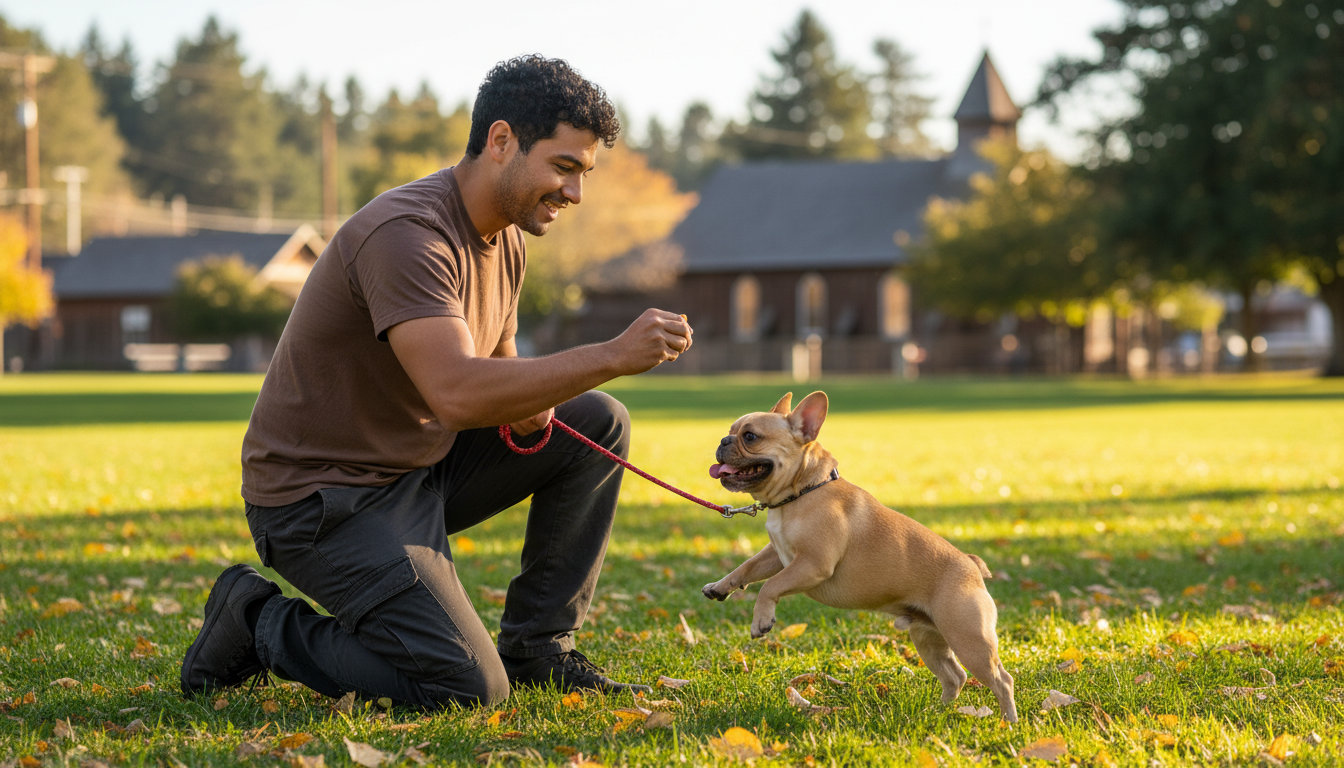
Reward-based methods build a strong, trusting relationship with your dog. This approach is especially important in a tight-knit community where a dog’s behavior impacts relationships with neighbors.
Basic obedience covers sit, down, stay, recall, and loose-leash walking. These skills are essential for safe walks along country roads and visits to local businesses.
Puppy training focuses on socialization to novel sights and sounds, bite inhibition, potty training, and crate training. Early positive experiences set the foundation for a confident adult dog.
Behavior modification addresses issues like fear, reactivity, or separation anxiety through careful, structured plans. In rural areas, helping a dog feel safe around wildlife noises or passing trucks is a common goal.
Private lessons allow for fully customized training in your home environment. Day training programs can accelerate learning for busy owners. Group classes, often found in larger nearby towns, provide practice around distractions in a controlled setting.
It is important to avoid trainers who rely on fear or intimidation. Humane, science-based methods are safer and create more reliable, long-term results for your dog.
Average Cost of dog training in Valley Ford, CA (Updated for 2026)
Pricing in the Valley Ford area and greater Sonoma County is influenced by the trainer’s experience, travel distance, and the type of service. Rural locations may see slightly lower averages than urban centers like Santa Rosa.
| Service Type | Average Cost (Sonoma County Area) |
|---|---|
| Puppy classes (4–6 week series) | $140–$250 total |
| Group obedience classes (4–6 weeks) | $150–$280 total |
| Private lessons (60–75 min) | $95–$160 per session |
| In-home training packages (4–6 sessions) | $400–$850 total |
| Day training (per week) | $400–$900 |
| Behavior consultation | $135–$225 |
| Board and train (2–3 weeks) | $1,800–$3,500 total |
Many trainers serving Valley Ford may include a travel fee. Always clarify what is included in a package and the trainer’s policy for measuring progress.
Questions to Ask a Potential Dog Trainer
- What is your primary training philosophy, and how do you ensure sessions are positive?
- What professional credentials, like CPDT-KA or KPA-CTP, do you hold?
- How do you tailor a training program for a dog living in a rural/coastal environment?
- Do you offer in-home services, and how do you handle travel to areas like Valley Ford?
- What is your process for addressing behavior issues like livestock chasing or wildlife reactivity?
- Can you provide proof of liability insurance?
- What are your total fees, including any travel charges?
- How will we communicate progress and what is expected for practice between sessions?
Local Valley Ford Rules and Considerations
Sonoma County ordinances are the primary rules for dog owners in Valley Ford. Understanding them helps keep your dog safe and maintains good community relations.
Dogs must be on a leash no longer than six feet when off your property, unless in a designated off-leash area. This is crucial on shared rural roads and near farmland.
California state law requires all dogs over four months old to be vaccinated against rabies. The rabies tag must be attached to your dog’s collar. Sonoma County does not issue a separate dog license.
Excessive barking that disturbs neighbors can be considered a nuisance. Working on alert barking with a trainer can prevent complaints.
California does not require a specific state license to be a dog trainer. However, trainers operating a business should have the appropriate Sonoma County business license. There is no state mandate for liability insurance, but reputable professional dog trainers carry it to protect themselves and their clients.
Local Valley Ford Resources for Dog Owners
These local spots provide excellent environments to practice training skills. Always follow posted rules and clean up after your dog.
- Bodega Bay Beaches: Leashed dogs are allowed on some beaches. Check specific signage for rules, as they can vary. The long, open stretches are great for practicing focused leash walks.
- Spring Lake Park (Santa Rosa): Offers leashed trail access around the lake. It’s a good spot for proofing obedience around other people and dogs in a natural setting.
- Doran Regional Park (Bodega Bay): Has a seasonal, fenced dog park and leashed beach access. The dog park can be used for off-leash recall practice in a secure area.
- Sonoma County Regional Parks: Many parks allow leashed dogs on trails. These are perfect for building duration on skills like “sit” and “stay” amid natural distractions.
FAQs
How much does in-home dog training cost?
In the Valley Ford area, expect to pay between $95 and $160 for a single in-home session. Many trainers offer discounted multi-session packages.
Is in-home dog training worth it?
Yes, particularly in a rural setting. A trainer can address behaviors exactly where they happen, like boundary training at your property line, door manners for visitors, or reactivity to local wildlife from your own yard.
Can you pay someone to house train your dog?
Many trainers offer puppy programs that include a structured potty training schedule. Some day training services can also accelerate the house training process while teaching you how to maintain it.
What is the 3-3-3 rule for dog training?
This is a guideline for adopted dogs: 3 days to decompress, 3 weeks to learn your routine, and 3 months to feel fully at home. A good training plan respects this adjustment period.
How long will it take to reach my training goals?
For basic obedience and manners, consistent practice over 4-8 weeks typically shows solid results. More complex behavior modification for issues like fear or reactivity often requires a longer-term commitment of several months.
What should I bring to group classes?
Bring a well-fitting collar or harness, a 6-foot leash, high-value treats, and your dog’s vaccination records if required by the facility. Avoid retractable leashes.
What’s the leash law in Valley Ford?
Sonoma County law requires dogs to be on a leash no longer than six feet when in public. The only exceptions are on your private property or in designated off-leash dog parks.
Do I need a dog license in Valley Ford or county?
Sonoma County does not issue a general dog license. You are required to have a current rabies vaccination and tag attached to your dog’s collar, as per California state law.
What shots does my dog need in county or CA?
Rabies vaccination is mandatory in California. Your veterinarian will also recommend core vaccines like DHPP (distemper/parvo) and others based on your dog’s risk factors and lifestyle.
Are dog trainers required to be licensed in Valley Ford or county or CA?
California does not have a specific state license for dog trainers. Trainers must comply with standard business licensing requirements in Sonoma County. Those offering board and train services must operate from a facility licensed as an animal care boarding kennel.
Where can I practice off-leash recall?
The fenced dog park area at Doran Regional Park (seasonal) is a secure local option. Always ensure your dog has a reliable recall before practicing in any unfenced area.
Which dog parks allow training around Valley Ford
The designated dog park at Doran Regional Park is the closest secured area. For leashed training in busier environments, the trails at Spring Lake Park in Santa Rosa offer good distractions.
What beaches/trails allow dogs for training?
Leashed dogs are welcome on many trails within the Sonoma County Regional Parks system. Some beaches in Bodega Bay permit leashed dogs; always check posted regulations as they can change seasonally.