Your Complete Guide to Choosing a Dog Trainer in Vandergrift and Surrounding Areas
Life with a dog in Vandergrift means enjoying walks along the Kiski River, visiting local parks, and navigating the quiet neighborhoods. A well-trained dog makes these everyday moments smoother and more enjoyable for everyone. Finding the right professional dog trainer here means finding someone who understands your local lifestyle, from practicing loose-leash walking on Main Street to building polite manners for visits to the farmer’s market.
Westmoreland County has its own set of rules and resources that impact dog ownership. A trainer familiar with these local details can tailor a program that works within your community, helping you raise a well-behaved dog.
How to Choose the Right Trainer
Start by looking for a trainer whose philosophy aligns with building a trusting relationship with your dog. *Positive reinforcement* training is widely recommended because it creates lasting behavior change in a humane way. For Vandergrift residents, practical goals might include walking calmly past other dogs on the Armstrong Trail, settling down when guests visit, and responding reliably to cues even with distractions.
Checking a trainer’s credentials is a smart way to gauge their education and commitment. Look for certifications like the CPDT-KA or KPA-CTP, which indicate formal study in modern, science-based methods. For more serious behavior issues like severe fear or aggression, a certification such as IAABC-CDBC shows specialized knowledge.
Consider the training format that fits your life. In-home sessions are excellent for addressing specific issues like door-dashing or counter-surfing right where they happen. Group classes provide a controlled environment to practice skills around other dogs, which is great preparation for busier public spaces.
Common Dog Training Methods Explained
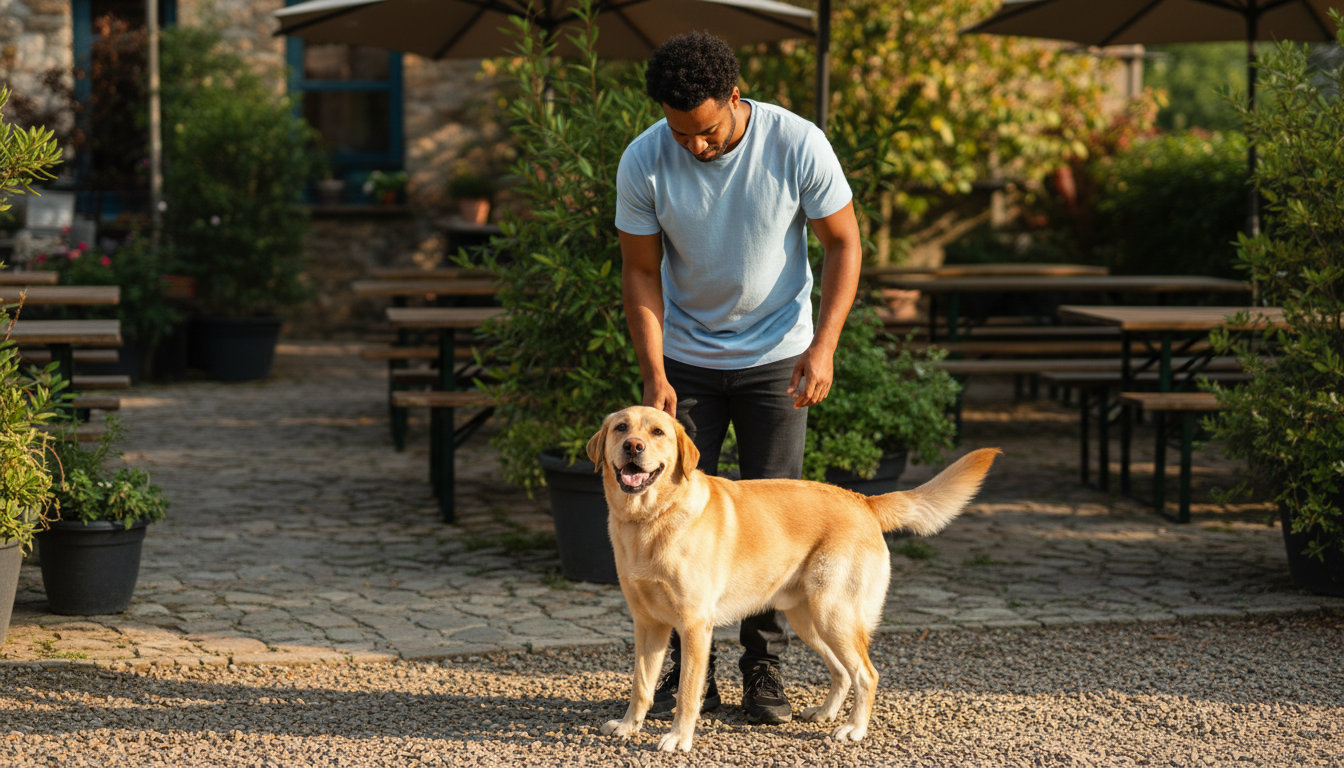
Modern dog training focuses on rewarding desired behaviors to encourage your dog to repeat them. This approach is effective, strengthens your bond, and is the best way to ensure your dog can follow local ordinances.
Basic obedience covers essential skills like sit, stay, come, and loose-leash walking. These are the foundation for any outing in Vandergrift, whether you’re at Kennedy Park or walking through town.
Puppy training is crucial for setting up good habits early. It focuses on socialization to new sights and sounds, bite inhibition, potty training, and crate comfort. Starting early prevents common problems from taking root.
Behavior modification addresses more complex issues like leash reactivity, separation anxiety, or fearfulness. This process uses careful, gradual exposure to help dogs feel safer and make better choices.
Private lessons offer one-on-one attention for personalized goals. Group classes help dogs learn to listen around distractions like other dogs and people. Board and train programs involve the trainer working with your dog intensively over a period of days or weeks.
It’s important to avoid trainers who rely on fear, intimidation, or pain to suppress behavior. These outdated methods can damage your dog’s trust and often worsen problems in the long run.
Average Cost of Dog Training in Vandergrift, PA (Updated for 2026)
The cost of dog training services in the Vandergrift and Westmoreland County area varies based on the trainer’s experience, the type of service, and the program’s length. The following table reflects average local and regional pricing for 2026.
| Service Type | Average Cost (Vandergrift/Westmoreland Area) |
|---|---|
| Puppy Class (6-week series) | $120 – $200 total |
| Group Obedience Class (6-week series) | $140 – $220 total |
| Private Lesson (60 min) | $70 – $110 per session |
| In-Home Training Package (4-6 sessions) | $300 – $650 total |
| Day Training (per week) | $350 – $600 |
| Behavior Consultation | $100 – $180 |
| Board and Train (2 weeks) | $1,200 – $2,500 total |
Many trainers offer a free consultation or evaluation to discuss your goals and their methods before you commit. Always ask what is included in the price and if there are any additional travel fees for in-home visits.
Questions to Ask a Potential Dog Trainer
- What is your primary training philosophy, and can you describe a typical session?
- What professional certifications, like CPDT-KA, do you hold, and how do you continue your education?
- How do you tailor a training program for a dog’s individual personality and a family’s specific routine?
- What services do you offer (in-home, group classes, day training) and which do you recommend for my goals?
- How do you measure progress and what does follow-up support look like?
- What are your total fees, payment policies, and cancellation terms?
- Do you carry professional liability insurance?
- For behavioral concerns, are you willing to collaborate with my veterinarian?
- What will I need to practice between sessions to ensure success?
Local Vandergrift Rules and Considerations
Understanding a few local regulations helps you be a responsible dog owner and informs what you may want to work on with a trainer.
Vandergrift Borough enforces a leash law. Dogs must be kept on a leash and under the owner’s control whenever they are off the owner’s property. A reliable recall and loose-leash walking are not just convenient—they are necessary for compliance.
Borough ordinances also address nuisance barking. If barking is frequent or prolonged enough to disturb neighbors, it can be considered a violation. Training for alert barking and separation anxiety can help maintain good neighbor relations.
Pennsylvania state law requires all dogs three months and older to be vaccinated against rabies. Keep your dog’s rabies tag on their collar, as this is your proof of vaccination.
The state does not require a specific license to be a dog trainer. Trainers operate under standard business regulations. However, if a trainer offers board and train services from a facility, that kennel must be licensed by the Pennsylvania Department of Agriculture.
Professional dog trainers are not legally required to carry insurance, but it is a strong sign of a reputable business. Liability insurance protects you, the trainer, and the public in the rare event of an incident during a training session.
Local Vandergrift Resources for Dog Owners
These local spots provide excellent environments to practice your training in real-world settings. Always observe posted rules and practice good etiquette.
- Kennedy Park: This local park offers open green space and walking paths perfect for practicing leash skills and focus around mild distractions like cyclists and joggers.
- Armstrong Trail: This extensive, multi-use trail is ideal for building duration on long, structured walks. Keep your dog leashed and be prepared to share the path.
- Northmoreland Park Dog Park (Apollo): Located a short drive away in Apollo, this popular Westmoreland County park features a large, fenced dog park area suitable for safe off-leash play and recall practice.
- Crooked Creek Dog Park (Ford City): Another nearby option in Ford City, this fenced park provides a separate area for small dogs, making it a good choice for careful socialization.
FAQs
How much does in-home dog training cost?
In the Vandergrift area, a single in-home session typically costs between $70 and $110. Most trainers offer discounted packages for multiple sessions, which brings the average total for a package to between $300 and $650.
Is in-home dog training worth it?
Yes, for many situations. In-home training addresses behaviors exactly where they occur—like jumping on guests, counter-surfing in your kitchen, or reacting to the mailman at your front door. The trainer can also help you practice leash skills on your actual neighborhood sidewalks.
Can you pay someone to house train your dog?
Many trainers include potty training as a core part of puppy programs. For adult dogs, trainers can create a structured schedule and routine to effectively house train them, teaching you how to maintain it consistently.
What is the 3-3-3 rule for dog training?
This is a guideline for adopted dogs. It suggests it takes about 3 days to decompress from the stress of moving, 3 weeks to learn your routine, and 3 months to feel fully at home. A good training program respects this adjustment period.
How long will it take to reach my training goals?
For basic obedience and manners, most dogs show significant improvement with consistent practice over 4 to 8 weeks. More complex behavior modification for issues like reactivity or severe anxiety often requires a longer-term commitment of several months.
What should I bring to group classes?
Bring a well-fitting collar or harness, a 6-foot non-retractable leash, high-value treats, and your dog’s vaccination records if required by the trainer. It’s also wise to bring a water bowl.
What’s the leash law in Vandergrift?
Vandergrift Borough ordinance requires dogs to be leashed and under control whenever they are off the owner’s private property. Retractable leashes are often discouraged in training settings for safety and control.
Do I need a dog license in Vandergrift or county?
Pennsylvania state law requires all dogs three months and older to be licensed annually through the county treasurer's office. In Vandergrift, this is done through the Westmoreland County Treasurer.
What shots does my dog need in county or PA?
Rabies vaccination is mandatory by state law. Your veterinarian will also recommend a core vaccine schedule (like DHPP) and may suggest others like bordetella based on your dog’s risk factors.
Are dog trainers required to be licensed in Vandergrift or county or PA?
Pennsylvania does not have a specific professional license for dog trainers. They must comply with standard business registration. Those offering boarding services must have a kennel license from the state Department of Agriculture.
Where can I practice off-leash recall?
The safest and only legal places are fully fenced, designated dog parks like Northmoreland Park Dog Park or Crooked Creek Dog Park. Always ensure your dog has reliable basic recall before practicing in these environments.
Which dog parks allow training around Vandergrift?
The fenced dog parks in Northmoreland Park (Apollo) and Crooked Creek (Ford City) are the closest dedicated spaces where you can legally have your dog off-leash to practice commands like recall and play skills.
What beaches or trails allow dogs for training?
While there are no beaches nearby, the Armstrong Trail and trails at local parks like Kennedy Park allow leashed dogs. These are excellent for building focus and calm behavior around natural distractions like wildlife, other trail users, and water.