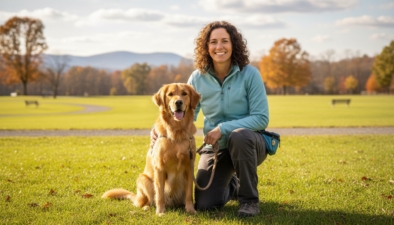
Your Complete Guide to Choosing a Dog Trainer in Wind Gap and Surrounding Areas
Life with a dog in Wind Gap means navigating quiet borough streets, exploring the nearby Appalachian Trail, and enjoying community events at Wind Gap Park. A well-trained dog is essential for these activities, ensuring peaceful walks past neighbors’ homes and calm behavior during local gatherings like the annual Halloween parade.
Wind Gap is located in Northampton County, and local regulations follow both borough and county guidelines. Finding a professional dog trainer who understands the specific dynamics of this small-town environment can make training more effective and relevant to your daily life.
How to Choose the Right Trainer
Start by looking for a trainer who uses *positive reinforcement* training. This method builds a trusting relationship with your dog, which is crucial for reliable behavior on the D&L Trail or when encountering wildlife on the Cherry Valley National Wildlife Refuge outskirts. A good trainer will set realistic goals for your lifestyle, whether that’s walking politely on Main Street or having a dog that’s calm around farm equipment.
Credentials help you assess a trainer’s education and commitment to humane methods. Look for certifications like the CPDT-KA or IAABC-CDBC for behavior issues. You can learn more about these on our guide to dog trainer certifications. For in-home coaching on specific issues like door-dashing or barking at delivery trucks, private lessons are often the best fit. Group classes are excellent for socialization and practicing obedience around distractions, once your dog has some basic skills.
Common Dog Training Methods Explained
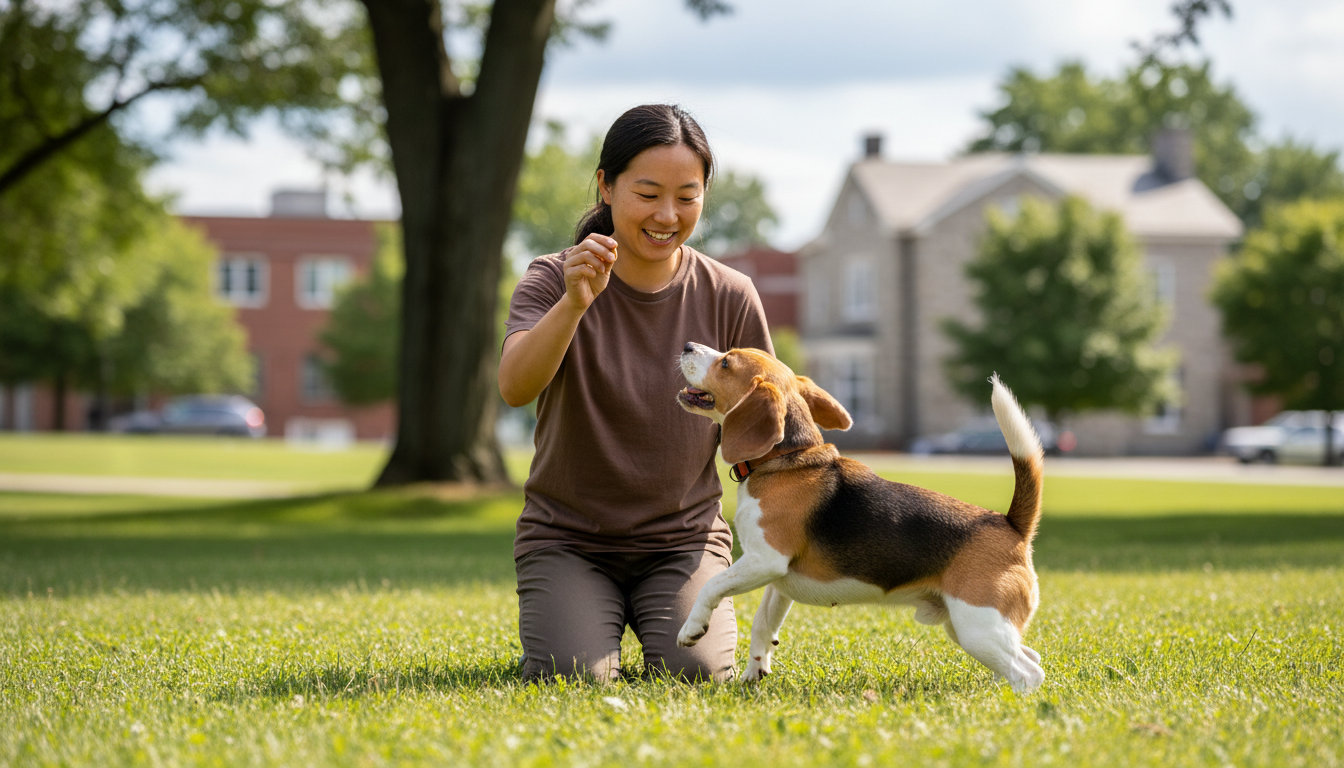
Modern dog training focuses on rewarding desired behaviors. This approach is not only kinder but also creates lasting change and helps you comply with local ordinances regarding noise and control.
Basic obedience includes skills like sit, down, stay, and a solid recall. These are the foundation for any public outing in Wind Gap, from the Wind Gap Park to the Weirbach Dairy Farm market.
Puppy training is critical for setting up good habits. It focuses on potty training, bite inhibition, crate training, and positive socialization to the sights and sounds of the borough.
Behavior modification addresses issues like fear, reactivity, or separation anxiety. This process requires patience and a carefully structured plan, often involving desensitization. For complex cases, a trainer should be willing to collaborate with your veterinarian.
In-home dog training allows you to address problems exactly where they happen, like jumping on guests or barking at the fence line. Group classes provide a controlled setting to practice manners around other dogs and people. Board and train programs offer an immersive experience but require thorough vetting of the facility and methods.
Avoid any trainer who uses fear, intimidation, or pain as tools. These outdated methods can worsen behavior problems, increase stress, and damage your bond with your dog.
Average Cost of Dog Training in Wind Gap, PA (Updated for 2026)
Pricing in Wind Gap and the broader Northampton County area varies based on the trainer’s experience, service type, and travel distance. The following table reflects current local averages.
| Service Type | Average Cost (Wind Gap/Northampton County) |
|---|---|
| Puppy Class (6-week series) | $130 – $220 total |
| Group Obedience Class (6-week series) | $150 – $250 total |
| Private Lesson (60 min) | $80 – $140 per session |
| In-Home Package (4-6 sessions) | $350 – $750 total |
| Day Training (per week) | $400 – $800 |
| Behavior Consultation | $120 – $200 initial visit |
| Board and Train (2 weeks) | $1,800 – $3,500 |
Many trainers offer a free consultation to discuss your dog’s needs. Always ask what is included in the quoted price and their policy on travel fees for areas outside the borough center.
Questions to Ask a Potential Dog Trainer
- What is your primary training philosophy, and how do you use positive reinforcement?
- What professional certifications do you hold, and how do you continue your education?
- Can you create a customized training program for my dog’s specific challenges and our home environment?
- Do you offer in-home sessions, group classes, or both, and which do you recommend for my goals?
- How do you measure progress and help transition skills to real-world settings like the Wind Gap Park?
- What are your total fees, cancellation policy, and do you carry liability insurance?
- For behavior issues, will you coordinate with my veterinarian if needed?
Local Wind Gap Rules and Considerations
Wind Gap follows Pennsylvania state laws and local borough ordinances designed to keep the community safe and peaceful. A good trainer will help you meet these requirements through effective training.
Dogs must be under control at all times. While a specific borough leash law may not be codified, Pennsylvania’s dog law requires dogs to be under control and prohibits dogs from running at large. Using a 6-foot leash in all public spaces is the safest and most compliant practice.
Pennsylvania state law mandates a current rabies vaccination for all dogs three months and older. You must keep the rabies tag on your dog’s collar. County-level information is available through the Northampton County Department of Community and Economic Development.
Excessive barking that disturbs neighbors can be considered a nuisance under borough ordinances. Training can help manage alert barking and separation anxiety proactively.
Pennsylvania does not require a specific state license for dog trainers. However, reputable professional dog trainers should carry general liability insurance. If a trainer offers board and train services, their facility must be licensed as a kennel by the Pennsylvania Department of Agriculture.
Local Wind Gap Resources for Dog Owners
These local spots are great for practicing training in different environments. Always ensure your dog is under control and follow all posted rules.
- Wind Gap Park: A central community park ideal for practicing leash skills and focus around mild distractions like playgrounds and pavilions.
- Plainfield Township Trail: A paved trail suitable for structured walks and building duration on skills like a loose-leash walk.
- D&L Trail (Slate Heritage Trail Section): Located nearby in Slatington, this trail offers a longer, scenic path for building your dog’s stamina and focus.
- Louise W. Moore Park (in nearby Bethlehem Township): Features a large, fenced dog park for safe off-leash play and recall practice.
FAQs
How much does in-home dog training cost?
In the Wind Gap area, a single in-home session typically costs between $80 and $140. Most trainers offer package discounts, bringing the average cost for a multi-session program to between $350 and $750.
Is in-home dog training worth it?
Yes, especially for addressing behavior in the context where it occurs. An in-home trainer can work on specific issues like barking at the mail carrier, begging at the dinner table, or reactions to neighbors in your yard, then help you generalize those skills to your street.
Can you pay someone to house train your dog?
Many trainers include potty training in their puppy programs. Some offer day training services where they work with your dog on a schedule and teach you the maintenance routine, which can significantly speed up the house-training process.
What is the 3-3-3 rule for dog training?
This is a guideline for adopted dogs. It suggests it takes about 3 days to decompress, 3 weeks to learn your routines, and 3 months to feel fully at home. A good training plan respects this adjustment period.
How long will it take to reach my training goals?
For basic obedience and manners, most dogs show significant improvement within 4 to 8 weeks of consistent practice. More complex behavior modification for reactivity or anxiety often requires a longer-term commitment of several months.
What should I bring to group classes?
Bring a well-fitting harness or flat collar, a 6-foot leash, high-value treats, and your dog’s vaccination records. Avoid retractable leashes, as they are not suitable for a controlled class environment.
What’s the leash law in Wind Gap?
While Wind Gap borough code may not have a specific leash ordinance, Pennsylvania state law requires dogs to be under the owner’s control at all times. It is unlawful to let a dog run at large. Using a standard leash in all public areas is strongly advised and often required in county parks.
Do I need a dog license in Wind Gap or Northampton County?
Pennsylvania state law requires all dogs three months and older to be licensed. Licenses are issued by the county treasurer. In Northampton County, you can obtain a license through the Northampton County Treasurer’s office. This is separate from the rabies vaccination requirement.
What shots does my dog need in Northampton County or Pennsylvania?
Rabies vaccination is mandatory by state law. Your veterinarian will also recommend a core vaccine series (like DHPP) and may suggest others like bordetella based on your dog’s risk factors.
Are dog trainers required to be licensed in Wind Gap or Northampton County or Pennsylvania?
No, the state does not mandate a specific professional license for dog trainers. They operate under standard business regulations. However, anyone operating a boarding kennel (including for board and train) must have a kennel license from the state.
Where can I practice off-leash recall?
The safest and only legal places are fully fenced, designated dog parks. The closest option for Wind Gap residents is the fenced dog park at Louise W. Moore Park in Bethlehem Township.
Which dog parks allow training around Wind Gap?
Louise W. Moore Park’s dog park is the primary nearby fenced area suitable for off-leash training exercises like recall. Always visit during less busy times for initial training sessions.
What trails allow dogs for training?
The Plainfield Township Trail and the D&L Trail sections near Slatington allow leashed dogs. They are excellent for practicing long-duration loose-leash walking and focus around natural distractions.
Choosing the right trainer in Wind Gap means finding someone who combines humane, science-based methods with an understanding of your small-town lifestyle. With consistent positive reinforcement training and practice in local settings, you can help your dog become a confident and well-mannered member of the community.