Your Complete Guide to Choosing a Dog Trainer in Woodstock Valley
Finding the right professional dog trainer in Woodstock Valley is about more than just basic obedience. It’s about finding someone who understands life in a quiet, rural Connecticut town. Your dog needs to be a good neighbor, whether that means staying calm around farm animals, not chasing wildlife on a trail, or being reliable off-leash on your own property.
Windham County, where Woodstock Valley is located, has its own set of considerations for pet owners. A trainer familiar with this area will help you navigate local expectations and create a training program that fits your lifestyle, from peaceful country walks to trips into nearby Putnam or Danielson.
How to Choose the Right Trainer
Look for a trainer whose philosophy aligns with creating a confident, well-behaved dog through positive reinforcement. They should understand the distractions common to our area, like squirrels, deer, and the occasional tractor.
Credentials are a good starting point for vetting a trainer’s knowledge. Look for certifications like the CPDT-KA or KPA-CTP, which indicate formal education in modern, science-based methods. For serious behavior issues like aggression or severe anxiety, a credential like the IAABC-CDBC shows specialized expertise.
In-home sessions are incredibly effective here for addressing behaviors that happen on your property, like boundary training or greeting guests on a long driveway. Group classes are excellent for socialization and practicing skills around other dogs in a controlled setting.
Common Dog Training Methods Explained
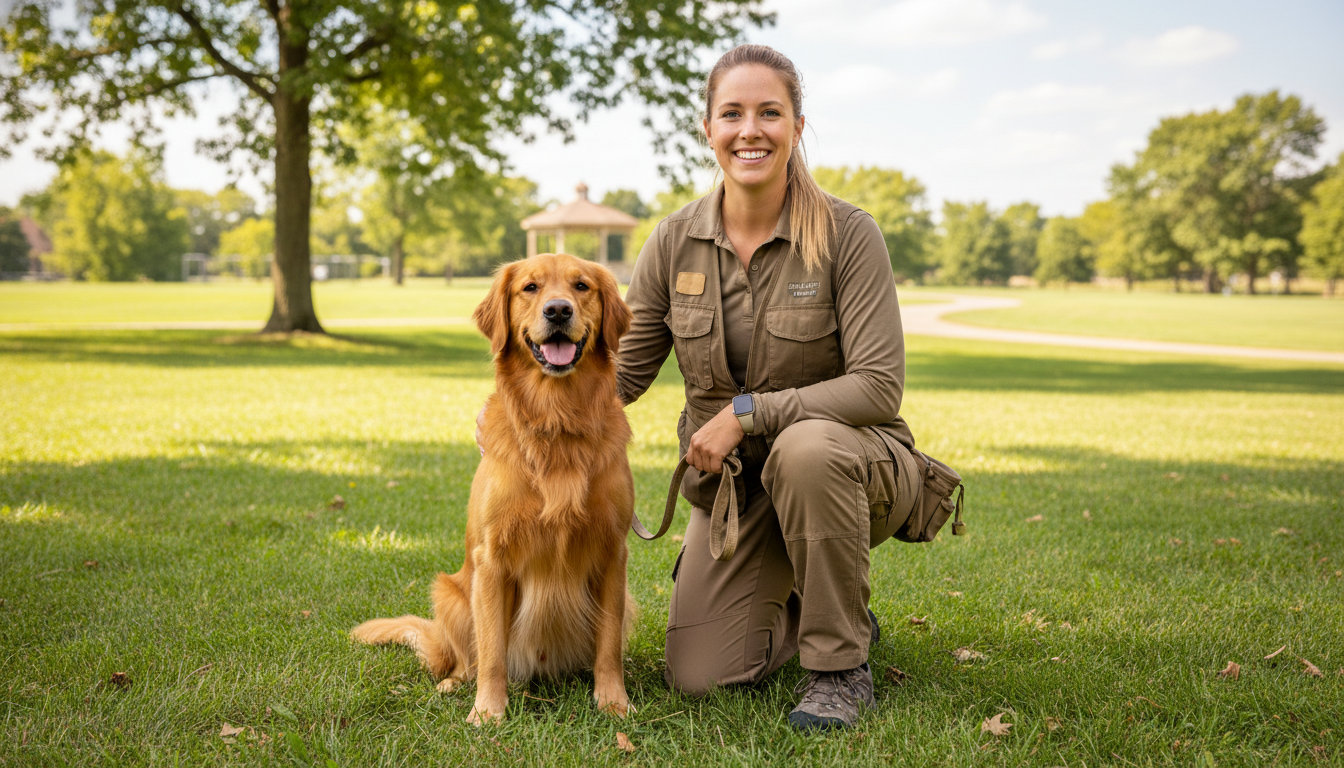
Reward-based training builds a strong bond and is the most effective way to create lasting good behavior. This approach is especially important in a close-knit community where your dog’s manners reflect on your entire household.
Basic obedience training**** covers the essential commands like sit, stay, come, and loose-leash walking. These skills are the foundation for safety, whether you’re hiking a local trail or visiting a farmer’s market.
Puppy training focuses on critical early lessons: socialization to novel sights and sounds, potty training, bite inhibition, and crate training. Starting early prevents problems before they become ingrained habits.
Behavior modification addresses issues like fear, reactivity, or separation anxiety through careful, compassionate techniques. This work often requires patience and a tailored plan, especially for dogs spooked by rural noises.
Private lessons offer one-on-one attention for specific goals, while group classes provide a controlled environment to practice around distractions. Many trainers in the area offer in-home services, which are convenient and directly address home-based behaviors.
Specialized training, such as therapy dog training or service dog training, requires a structured program to prepare a dog for public access work and specific tasks.
It’s important to avoid trainers who use harsh corrections or intimidation. These methods can increase fear and anxiety, which is counterproductive and can worsen behavioral problems, potentially creating liability issues.
Average Cost of Dog Training in Woodstock Valley, CT (Updated for 2026)
Pricing in Windham County and the surrounding Northeast Connecticut area is generally moderate. Costs depend heavily on the trainer’s experience, the type of service, and travel distance to your home.
| Service Type | Average Cost (Windham County Area) |
|---|---|
| Puppy Class (6-week series) | $160 – $250 |
| Group Obedience Class (6-week series) | $175 – $300 |
| Private Lesson (60 min) | $90 – $150 |
| In-Home Training Package (4-6 sessions) | $400 – $850 |
| Day Training (per day) | $50 – $90 |
| Behavior Consultation | $125 – $200 |
| Board and Train (2 weeks) | $1,800 – $3,500 |
Many trainers serving Woodstock Valley may add a travel fee due to the rural nature of the town. Always ask for a clear breakdown of costs and what is included in any package.
Questions to Ask a Potential Dog Trainer
- What is your primary training philosophy, and can you describe a typical session?
- What professional dog trainer certifications do you hold, such as CPDT-KA or KPA-CTP?
- How do you tailor your training for dogs living in a rural environment with unique distractions?
- Do you offer in-home services, and what is your travel radius for Woodstock Valley?
- What does your process look like for addressing specific issues like reactivity or separation anxiety?
- Can you provide proof of liability insurance?
- What is your policy on communication and homework between sessions?
- Will you collaborate with my veterinarian if my dog has behavioral concerns related to health?
Local Woodstock Valley Rules and Considerations
While Woodstock Valley itself is a town with local governance, many animal control functions are handled at the state or regional level. Following these rules helps maintain safety and harmony.
Connecticut state law requires that dogs be under control at all times. While not every town has a universal “leash law,” if your dog chases or threatens people or animals, you can be held liable. A reliable recall is not just convenient here; it’s a critical safety skill.
All dogs in Connecticut must be vaccinated against rabies by a licensed veterinarian. You must keep the vaccination certificate and ensure your dog wears a rabies tag on its collar. Proof is required for licensing.
Excessive barking that disturbs neighbors can be considered a nuisance. Training can help manage alert barking, which is common in areas with wildlife and passing vehicles.
The State of Connecticut does not require a specific license to be a dog trainer. However, any reputable professional should operate as a legitimate business and carry liability insurance. Trainers offering board and train services from their home may need to comply with state kennel regulations if they board a certain number of dogs.
Local Woodstock Valley Resources for Dog Owners
These local spots provide excellent settings to practice training in real-world environments. Always verify current rules before visiting.
- West Thompson Lake (Thompson, CT): Offers miles of trails where leashed dogs are welcome. Perfect for practicing long-distance loose-leash walking and focus around other hikers.
- Roseland Park (Woodstock, CT): A general recreation area where leashed dogs are typically allowed. Good for practicing polite manners around families and children at a distance.
- Bigelow Hollow State Park (Union, CT): Features extensive trails and water access for leashed dogs. An advanced setting for proofing recall and calm behavior around wildlife and water.
- Connecticut State Forest Trails: Many nearby state forests, like Natchaug or James L. Goodwin, allow leashed dogs on trails. These are ideal for building duration and focus in nature.
FAQs
How much does in-home dog training cost?
In the Woodstock Valley area, a single in-home session typically costs between $90 and $150. Multi-session packages often provide a better value and more consistent progress.
Is in-home dog training worth it?
For rural residents, in-home training is highly valuable. The trainer can address behaviors specific to your property, like reacting to delivery trucks at the end of the driveway, boundary training, or manners inside your home, before moving training to your local trails.
Can you pay someone to house train your dog?
Yes, many trainers include potty training as a core part of puppy programs or day training services. They will establish a schedule and teach you how to maintain consistency.
What is the 3-3-3 rule for dog training?
This is a guideline for adopted dogs: 3 days to decompress, 3 weeks to learn routines, and 3 months to feel at home. A good trainer will work with this adjustment period.
How long will it take to reach my training goals?
For general obedience and manners, most dogs show significant improvement within 6-8 weeks with consistent practice. More complex behavior modification can take several months of dedicated work.
What should I bring to group classes?
Bring a standard 6-foot leash, a comfortable flat collar or harness, high-value treats, and your dog’s vaccination records. Avoid retractable leashes in class settings.
What’s the leash law in Woodstock Valley?
Woodstock Valley does not have a town-specific ordinance mandating leashes everywhere. However, Connecticut law requires dogs to be under the owner’s control at all times. This effectively means a leash is necessary in any public space unless your dog has a flawless recall. It is the safest and most responsible choice.
Do I need a dog license in Woodstock Valley or county?
Yes. All dogs six months or older in Connecticut must be licensed annually in the town where they reside. You must present a current rabies certificate to obtain the license. Contact the Woodstock Town Clerk’s office for details.
What shots does my dog need in Connecticut?
Rabies vaccination is legally required. Your veterinarian will also recommend a core vaccine series (DHPP) and may suggest others like Bordetella or Lyme disease vaccine based on your dog’s exposure risk in this region.
Are dog trainers required to be licensed in Connecticut?
No, the state does not license dog trainers. Professionals should have business licensure and insurance. Always ask for proof of liability insurance before hiring.
Where can I practice off-leash recall?
The safest places are fully fenced private properties. Public off-leash areas are very limited in this region. Some trainers may use secure, rented fields for group classes. Always ensure any off-leash work is in a legally compliant and safe environment.
Which dog parks allow training around Woodstock Valley?
Dedicated, fenced dog parks are scarce in immediate Windham County. The closest options may be in neighboring Massachusetts or toward larger Connecticut cities. Verify rules before visiting, as some may not allow professional training during public hours.
What trails allow dogs for training?
Most Connecticut State Parks and Forests allow leashed dogs on trails. West Thompson Lake, Bigelow Hollow, and Natchaug State Forest are excellent local options for building trail manners and focus.