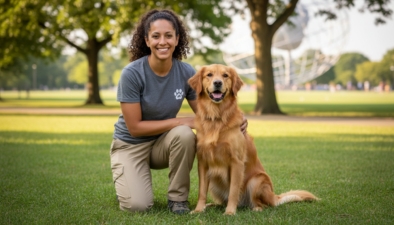
Your Complete Guide to Choosing a Dog Trainer in Jamaica and Surrounding Areas
Life with a dog in Jamaica, Queens means navigating busy sidewalks along Jamaica Avenue, enjoying quiet moments in local parks, and using the AirTrain to get into the city. Your dog needs to be calm around constant stimuli, from the bustle of the Jamaica Center subway station to the diverse crowds at King Manor Museum. Finding a trainer who understands this unique urban environment is key to your success.
Queens County operates under New York City's comprehensive set of animal regulations. A professional dog trainer familiar with these rules can help you avoid fines and build good neighborhood relationships. Their guidance is especially valuable for mastering loose-leash walking on crowded streets and managing alert barking in apartment buildings.
How to Choose the Right Trainer
Look for a trainer who uses positive reinforcement methods and can create a practical plan for your daily life. This means your dog should learn to ignore food scraps on Sutphin Boulevard, stay calm when buses roll by, and be polite in elevators and building lobbies.
Checking a trainer’s credentials is a smart way to gauge their education. Look for professionals with certifications like the CPDT-KA or KPA-CTP. For serious behavior issues like aggression or severe anxiety, seek out a certified behavior consultant such as an IAABC-CDBC.
In-home sessions are excellent for addressing specific issues like door-dashing, resource guarding, or leash reactivity right where they happen. Group classes provide vital practice for learning to focus around other dogs and people, a necessary skill for visits to busy Queens parks.
Common Dog Training Methods Explained
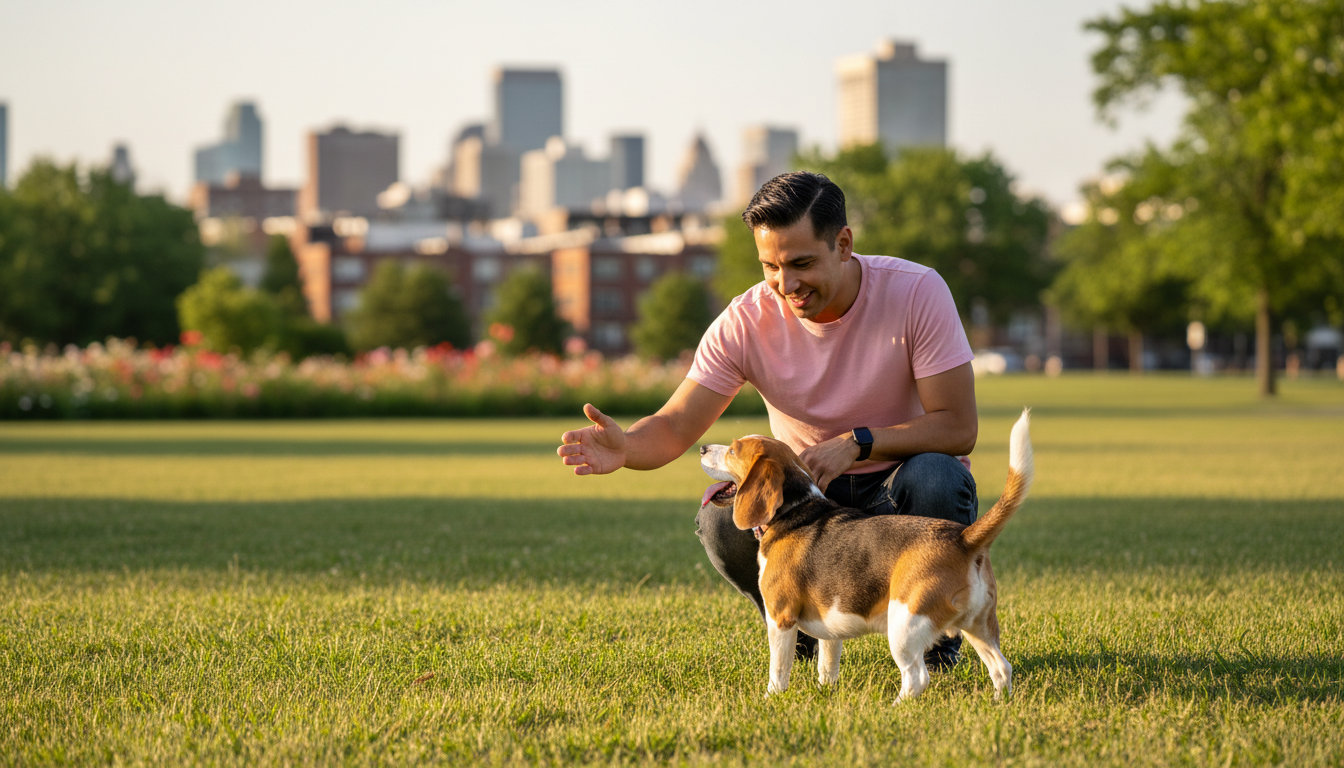
Humane, reward-based training builds a strong bond and reliable behavior. This approach aligns perfectly with NYC’s strict animal control laws, which require dogs to be under control at all times in public.
Basic obedience covers skills like sit, down, stay, recall, and loose-leash walking. These are the foundation for safe walks in neighborhoods like Hollis or Kew Gardens and peaceful coexistence in multi-unit buildings.
Puppy training focuses on critical early socialization, bite inhibition, crate training, and potty training routines. Starting early helps prevent common problems in city living.
Behavior modification addresses issues like fear, reactivity, separation anxiety, or aggression through structured, positive techniques. For complex cases, a qualified trainer should be willing to collaborate with your veterinarian.
Private, in-home lessons allow for personalized coaching in your specific environment. Day training programs can accelerate learning for busy owners.
Group classes offer a controlled setting to practice manners around distractions. The best classes manage group size carefully and teach calm behavior.
Specialized training for service dogs or therapy dogs requires a detailed, step-by-step program that includes public access skills and rigorous task training.
Avoid any trainer who relies on fear, intimidation, or pain to control dogs. These methods are unethical, can worsen behavioral problems, and often violate the spirit of NYC’s animal welfare provisions.
Average Cost of Dog Training in Jamaica, NY (Updated for 2026)
Prices in Queens and the broader NYC area reflect higher operational costs and demand. Costs vary based on the trainer’s experience, session length, and travel within the borough.
| Service Type | Average Cost (Queens/NYC) |
|---|---|
| Puppy Group Class (6 weeks) | $200–$350 |
| Adult Obedience Group Class (6 weeks) | $180–$320 |
| Private Lesson (60 min) | $120–$220 |
| In-Home Training Package (4-6 sessions) | $500–$1,200 |
| Day Training Program (per week) | $600–$1,100 |
| Behavior Consultation (initial) | $175–$300 |
| Board and Train (2-3 weeks) | $2,500–$5,500 |
Travel fees for in-home services are common in Queens. Board and train programs are at the premium end of pricing. Always ask what is included in a package and how progress is measured.
Questions to Ask a Potential Dog Trainer
- What is your primary training philosophy, and how do you ensure sessions are positive?
- What professional dog trainer certifications, like CPDT-KA, do you hold? Do you pursue continuing education?
- How will you tailor the training plan for my dog’s personality and our specific living situation in Jamaica?
- Do you offer in-home, group, or day training, and which do you recommend for my goals?
- What is your process for tracking progress and increasing challenges, like moving from my apartment to a busy street?
- What are all costs, including travel fees or package discounts? What is your cancellation policy?
- Do you carry professional liability insurance? Can you provide proof?
- For behavior issues, will you coordinate with my veterinarian if needed?
- What homework will you give me to practice between sessions?
Local Jamaica Rules and Considerations
New York City’s Health Code sets the rules for all five boroughs, including Queens. Compliance keeps your dog safe and maintains community harmony.
Dogs must be on a leash no longer than six feet in all public spaces, including parks, unless in a designated off-leash area during specified hours. Retractable leashes often violate this rule.
NYC law requires all dogs to be licensed with the Department of Health and Mental Hygiene (DOHMH). You must also provide proof of a current rabies vaccination to obtain the license. The license tag must be on your dog’s collar.
Excessive barking is considered a noise violation. Training for alert barking and separation anxiety is important in densely populated neighborhoods to prevent neighbor complaints.
Professional dog trainers operating a business in NYC must have a general business license. While there is no specific “dog trainer license,” trainers using public parks for commercial group classes typically need a Parks Department permit and must show proof of insurance.
The NYC Animal Care Centers (ACC) provide resources for lost pets, low-cost microchipping, and information on local ordinances.
Local Jamaica Resources for Dog Owners
These locations offer great spots to practice training in real-world settings. Always follow posted rules and practice good etiquette.
- Juniper Valley Park Dog Run (in Middle Village) and Forest Park Dog Run offer secure, fenced areas for off-leash play and recall practice.
- Cunningham Park has a large, popular dog run perfect for socializing a confident dog.
- Flushing Meadows Corona Park allows leashed dogs on its many paths, providing excellent distraction-filled environments for training focus and loose-leash walking.
- Baisley Pond Park offers leashed trail walks closer to the Jamaica area for building duration and focus.
FAQs
How much does in-home dog training cost?
In the Jamaica/Queens area, expect to pay between $120 and $220 for a single in-home private lesson. Most trainers offer discounted multi-session packages.
Is in-home dog training worth it?
Yes, particularly for city living. A trainer can address specific issues like barking at hallway noises, door manners, and leash reactivity on your exact block before practicing in busier locations like Jamaica Avenue.
Can you pay someone to house train your dog?
Many trainers offer puppy programs that include structured potty training schedules and crate training. Day training services can also implement these routines efficiently.
What is the 3-3-3 rule for dog training?
It’s a guideline for adopted dogs: 3 days to decompress, 3 weeks to learn routines, and 3 months to feel at home. A good trainer will work with this adjustment period.
How long will it take to reach my training goals?
For basic obedience, consistent practice often yields results in 4-8 weeks. Addressing fear or reactivity is a longer process, typically requiring several months of consistent behavior modification.
What should I bring to group classes?
Bring a well-fitting harness or collar, a 6-foot leash, high-value treats, and your dog’s vaccination records. Avoid retractable leashes.
What’s the leash law in Jamaica?
As part of NYC, Jamaica requires dogs to be on a leash no longer than 6 feet in all public areas, unless in a designated off-leash park area during permitted hours.
Do I need a dog license in Jamaica or county?
Yes. All dogs in New York City must be licensed with the NYC Department of Health. You must renew the license periodically and keep the tag on your dog’s collar.
What shots does my dog need in county or NY?
New York City and State require a current rabies vaccination. Your vet will also strongly recommend core vaccines like DHPP (distemper/parvo) and bordetella, especially for dogs in group settings.
Are dog trainers required to be licensed in Jamaica or county or NY?
New York State does not have a specific license for dog trainers. However, any trainer operating a business in NYC needs a standard Business License from the Department of Consumer Affairs.
Where can I practice off-leash recall?
Use the designated dog runs at Juniper Valley Park, Cunningham Park, or Forest Park. Always go during less crowded times when first practicing a new recall.
Which dog parks allow training around Jamaica?
The fenced dog runs at Forest Park and Cunningham Park are ideal for practicing off-leash skills safely. Leashed training is permitted on all park paths.
What beaches or trails allow dogs for training?
Leashed dogs are welcome on most trails in Forest Park and Alley Pond Park. Note that NYC beaches prohibit dogs during the summer season (approximately May to September).