
Your Complete Guide to Choosing a Dog Trainer in Kiln and Surrounding Areas
Life with a dog in Kiln offers a unique blend of rural quiet and coastal access. Your dog might need to behave calmly on quiet country roads, remain focused during trips to the Bay St. Louis farmers market, or ignore wildlife on trails in the DeSoto National Forest. Finding a professional dog trainer who understands this environment is key to a happy, well-behaved companion.
Since Kiln is an unincorporated community in Hancock County, all local animal regulations are governed at the county and state level. A trainer familiar with these rules can help you navigate them effortlessly, ensuring your dog is a good neighbor whether you’re in Diamondhead, Waveland, or out in the county.
How to Choose the Right Trainer
Look for a trainer whose methods are based on positive reinforcement and who can set goals for your specific Hancock County lifestyle. This could mean teaching a solid recall for safe exploration on rural property, leash manners for visiting Old Town Bay St. Louis, or calm behavior during summer thunderstorms common to the Gulf Coast.
Checking a trainer’s credentials is a smart way to gauge their education. Reputable dog trainer certifications like the CPDT-KA or KPA-CTP show a commitment to modern, science-based methods. For serious behavior issues like severe anxiety or aggression, look for advanced credentials such as a CBCC-KA or IAABC-CDBC.
In-home training sessions are excellent for addressing issues specific to your home and property, like boundary training, door manners, or reactivity to passing farm equipment. Group classes provide a controlled setting to practice obedience around other dogs, a vital skill before visiting busier areas.
Common Dog Training Methods Explained
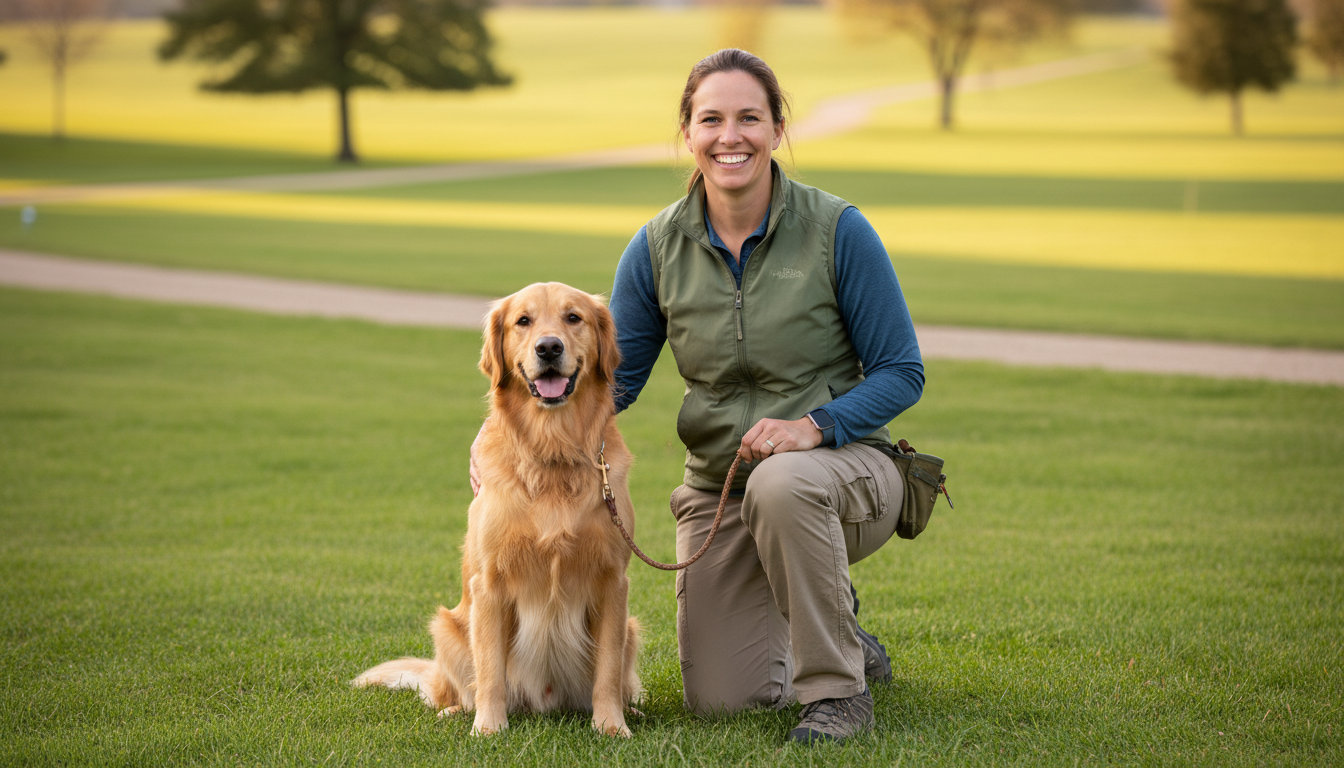
Modern dog training focuses on reward-based methods that build trust and encourage your dog to make good choices. This approach aligns perfectly with the need for reliable off-leash control in rural settings and calm behavior in public spaces.
Basic obedience training**** covers essential commands like sit, stay, come, and loose-leash walking. This foundation is crucial for safety on county roads and polite visits to local spots.
Puppy training prioritizes early socialization, potty training, bite inhibition, and crate acclimation. Starting early helps prevent future problems and sets your puppy up for a confident life.
Behavior modification addresses issues like fear, reactivity, or separation anxiety through structured desensitization. This is especially important in a quieter area where a dog’s barking can easily become a nuisance to neighbors.
Private lessons offer personalized attention for your dog’s unique challenges. Board and train programs can provide intensive learning, but it’s vital to ensure you are fully involved in the follow-up process.
Group classes help your dog learn to listen and behave even with the distractions of other dogs and people. A good class will teach impulse control and calm behavior.
Specialized training, like service dog or therapy dog training, requires a structured program to teach advanced public access skills and specific tasks.
Avoid any trainer who uses fear, intimidation, or pain to control a dog. Not only are these methods inhumane, but they can also worsen behavioral problems and damage your relationship with your pet.
Average Cost of Dog Training in Kiln, MS (Updated for 2026)
Pricing in Hancock County and the surrounding Gulf Coast region is generally moderate. Costs depend on the trainer’s experience, the type of service, and travel distance within the rural area. The table below reflects current local averages.
| Service Type | Average Cost (Hancock County Area) |
|---|---|
| Puppy Class (6-week series) | $120 – $180 total |
| Group Obedience Class (6-week series) | $130 – $200 total |
| Private Lesson (1 hour) | $50 – $80 per session |
| In-Home Training Package (4-6 sessions) | $250 – $500 total |
| Day Training (per week) | $300 – $600 |
| Behavior Consultation | $100 – $150 initial visit |
| Board and Train (2-week program) | $800 – $1,500 total |
Many trainers serving Kiln may add a travel fee due to the spread-out nature of the community. Always ask for a clear breakdown of costs and what is included before committing to a program.
Questions to Ask a Potential Dog Trainer
- What is your primary training philosophy, and can you explain how you use positive reinforcement?
- Are you certified? Credentials like CPDT-KA or KPA-CTP show a commitment to ongoing education.
- How do you tailor training plans for dogs living in more rural areas like Hancock County?
- What services do you offer (in-home, group classes, day training) and which do you recommend for my goals?
- How do you measure progress and what does follow-up support look like?
- What is your total fee, including any travel charges, and what is your cancellation policy?
- Do you carry professional liability insurance? Can you provide proof?
- For behavior issues, are you willing to collaborate with my veterinarian?
- What will I need to practice between sessions to ensure success?
Local Kiln Rules and Considerations
Hancock County enforces ordinances that all dog owners should know. Mississippi state law also sets important requirements for pet ownership.
Dogs must be under the owner’s control at all times. While the county doesn’t have a universal leash law for private property, dogs cannot run at large. In public spaces like parks and streets, a leash is required for safety and control.
Mississippi state law mandates a current rabies vaccination for all dogs. A rabies tag must be attached to the dog’s collar. This is non-negotiable and enforced for public health.
Excessive or frequent barking that disturbs neighbors can be considered a noise nuisance under county ordinances. Training to manage alert barking is important for maintaining good neighbor relations in close-knit communities.
The State of Mississippi does not require a specific license to be a dog trainer. However, if a trainer offers board and train services from a facility, they may need to comply with Mississippi Boarding Kennel regulations from the Department of Agriculture and Commerce.
Professional dog trainers are not legally required to carry insurance in Mississippi, but it is a critical sign of a legitimate business. Liability insurance protects you, the trainer, and the public, especially during training sessions in public spaces.
Local Kiln Resources for Dog Owners
These local spots provide excellent environments to practice training in real-world settings. Always observe posted rules and practice good etiquette.
- Hancock County Dog Park (Bay St. Louis): A fenced area perfect for practicing off-leash recalls and supervised social skills.
- Bay St. Louis Beach: Leashed dogs are allowed on the beach year-round, offering a great high-distraction environment for leash training.
- DeSoto National Forest: Miles of trails where leashed dogs are welcome, ideal for building focus and calmness around wildlife and natural stimuli.
- Kiln Landfill Park: A local community park where you can practice polite leash walks in a quiet setting.

FAQs
How much does in-home dog training cost?
In the Kiln area, most trainers charge between $50 and $80 for a one-hour in-home private lesson. Multi-session packages often provide a better value.
Is in-home dog training worth it?
Yes, particularly in a rural area. An in-home trainer can address behaviors right where they happen, such as door-dashing, barking at wildlife through windows, or manners with family members on your own property.
Can you pay someone to house train your dog?
Many trainers offer puppy programs that include potty training guidance. Some day training services can also establish a routine. However, the owner’s consistent follow-through is always essential for long-term success.
What is the 3-3-3 rule for dog training?
This is a guideline for adopted dogs: 3 days to decompress, 3 weeks to learn your routines, and 3 months to feel fully at home. A good trainer will design a program that respects this adjustment period.
How long will it take to reach my training goals?
For basic obedience and manners, most dogs show significant improvement within 4-8 weeks of consistent practice. More complex behavior issues often require a longer-term management and modification plan.
What should I bring to group classes?
Bring a standard 6-foot leash, a well-fitted collar or harness, high-value treats, and your dog’s vaccination records. Avoid retractable leashes for class safety.
What’s the leash law in Kiln?
Hancock County requires dogs to be under the owner’s control and not running at large. In all public areas, this effectively means your dog should be on a leash for their safety and the community’s.
Do I need a dog license in Kiln or county?
Hancock County does not issue a general dog license. The primary legal requirement is a current rabies vaccination and tag, which must be on your dog’s collar.
What shots does my dog need in county or Mississippi?
Mississippi law requires a rabies vaccination. Your veterinarian will also strongly recommend core vaccines like DHPP (distemper/parvo) and may suggest others based on your dog’s exposure risk in the coastal environment.
Are dog trainers required to be licensed in Kiln or county or Mississippi?
No, Mississippi does not have a specific licensing requirement for dog trainers. It is up to the client to verify a trainer’s credentials, insurance, and business legitimacy.
Where can I practice off-leash recall?
The Hancock County Dog Park in Bay St. Louis is the safest, legal option for practicing off-leash skills in a fully fenced environment.
Which dog parks allow training around Kiln?
The Hancock County Dog Park is the primary dedicated facility. Using the fenced areas during off-peak hours is ideal for focused training sessions.
What beaches or trails allow dogs for training?
Leashed dogs are welcome on Bay St. Louis Beach and the extensive trail systems within the DeSoto National Forest. These are perfect for proofing leash skills around natural distractions.