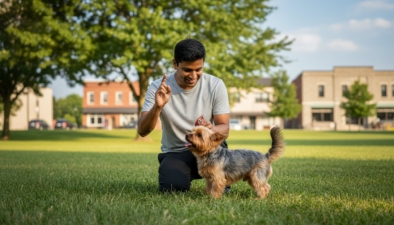
Your Complete Guide to Choosing a Dog Trainer in Nassau
Choosing the right dog trainer in Nassau means finding someone who understands your daily life. Your dog might need to walk calmly through the crowds at the Long Beach boardwalk, relax at a café in the Five Towns area, or stay focused during a busy day at Roosevelt Field. A good trainer will help your dog handle these local environments with confidence and good manners.
Nassau County has specific rules that affect how and where you train your dog. A trainer familiar with these local ordinances can tailor a program that keeps you compliant while achieving your goals, whether you’re in Baldwin, Wantagh, or anywhere else across the county.
How to Choose the Right Trainer
Look for a professional who uses *positive reinforcement* training and can set realistic goals for life in Nassau County. This could include loose-leash walking on busy sidewalks, polite greetings when you have visitors, and staying calm around the distractions common in local parks and shopping areas.
Checking a trainer’s credentials is a smart way to gauge their expertise. Look for certifications like the CPDT-KA or KPA-CTP, which indicate a commitment to humane, science-based methods. For serious behavior issues like aggression or severe anxiety, seek out a trainer with advanced credentials such as a CBCC-KA or IAABC-CDBC.
The format of training matters too. In-home sessions are excellent for addressing specific household issues like door-dashing or counter-surfing. Group classes provide a controlled environment to practice obedience around other dogs, a vital skill for visiting Nassau’s many dog-friendly spots.
Common Dog Training Methods Explained
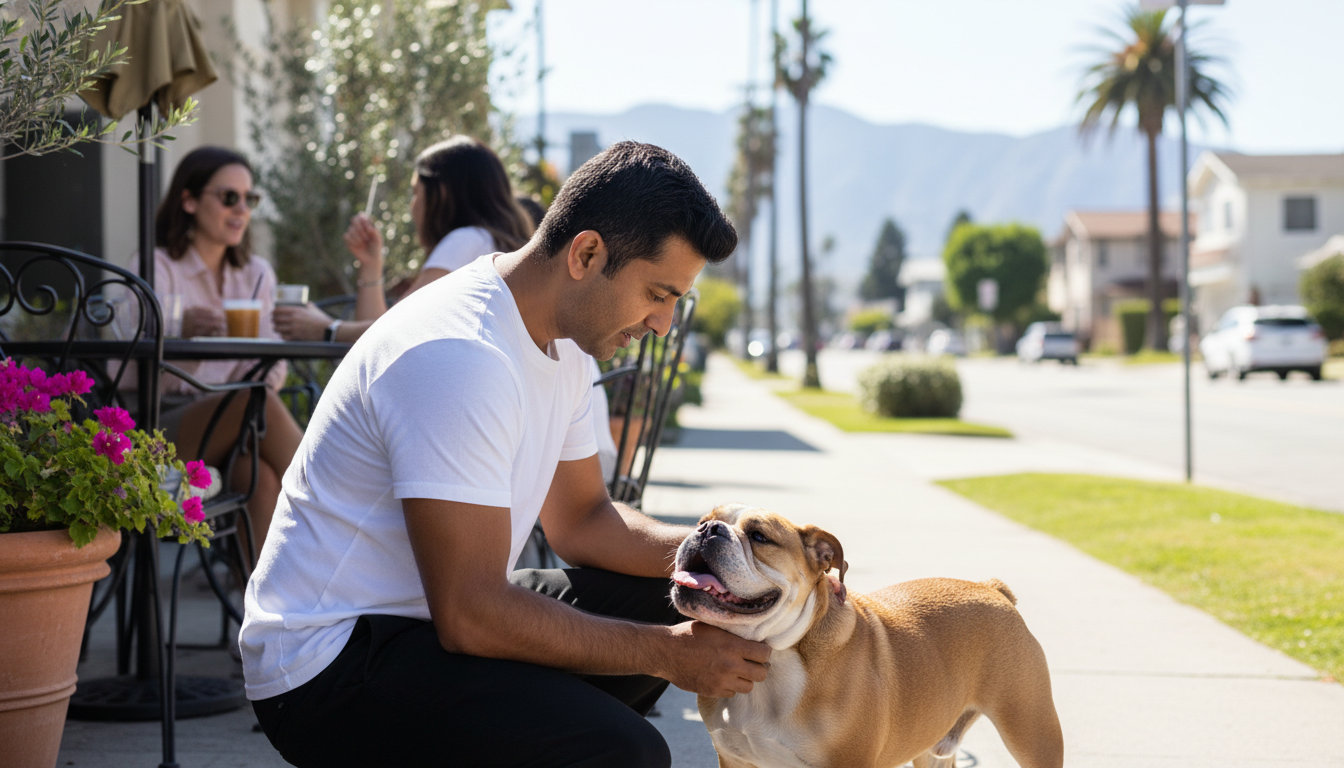
Modern dog training focuses on rewarding desired behaviors to build a strong, trusting relationship with your pet. This approach is effective for creating a well-behaved dog and aligns with Nassau County’s expectations for pet behavior in public spaces.
Basic obedience training**** covers foundational commands like sit, stay, come, and heel. Mastering these makes everyday activities, from vet visits to walks in your neighborhood, much smoother and more enjoyable for both of you.
Puppy training is crucial for setting your new companion up for success. It focuses on early socialization, bite inhibition, potty training, and crate training. Starting early prevents minor issues from becoming ingrained bad habits.
Behavior modification addresses more complex problems like fear, reactivity, or separation anxiety. This process uses gradual desensitization to change your dog’s emotional response to triggers. For these issues, it’s important to find a trainer who is willing to collaborate with your veterinarian.
Private lessons offer personalized attention for your dog’s unique challenges. Day training programs, where the trainer works with your dog during the week, can accelerate learning for busy households. Group classes are fantastic for proofing skills around distractions and other dogs.
Specialized training, such as service dog or therapy dog training, requires a structured program to teach specific tasks and public access manners. Ensure any trainer offering this has a proven track record in this niche.
Avoid trainers who rely on fear, intimidation, or pain to suppress behavior. These methods can worsen problems, damage your bond with your dog, and may even violate local nuisance ordinances.
Average Cost of Dog Training in Nassau, NY (Updated for 2026)
The cost of dog training services in Nassau County reflects the local economy and a trainer’s experience level. Prices can vary based on the trainer’s credentials, the length of the program, and whether sessions are private or group-based.
| Service Type | Average Cost in Nassau County |
|---|---|
| Puppy Class (6-week session) | $180 – $320 |
| Group Obedience Class (6-week session) | $200 – $350 |
| Private Lesson (1 hour) | $120 – $200 |
| In-Home Training Package (4-6 sessions) | $500 – $1,100 |
| Day Training (per week) | $500 – $1,000 |
| Behavior Consultation (initial) | $175 – $300 |
| Board and Train (2-3 weeks) | $2,500 – $5,500 |
More complex behavior issues typically command higher rates. Many trainers offer free consultations, which are a great opportunity to discuss goals and get a precise quote before committing.
Questions to Ask a Potential Dog Trainer
- What is your primary training philosophy, and how do you use positive reinforcement?
- What professional certifications, like CPDT-KA or KPA-CTP, do you hold? Do you pursue continuing education?
- Can you create a customized plan for my dog’s needs and my lifestyle in Nassau?
- What services do you offer (in-home, group classes, day training) and which do you recommend for my goals?
- How do you measure progress and what does your follow-up support look like?
- Can you provide a detailed cost breakdown and explain your cancellation policy?
- Do you carry professional liability insurance?
- For behavior issues, are you willing to collaborate with my veterinarian?
- What will my homework be between sessions?
Local Nassau Rules and Considerations
Nassau County and New York State have regulations designed to keep pets and people safe. A responsible dog trainer will help you understand and work within these rules.
Dogs must be leashed in all public areas unless in a designated off-leash dog park. Nassau County law requires a leash not exceeding six feet in length. A reliable recall is essential for safety, especially near busy roads or parks.
New York State law mandates that all dogs be vaccinated against rabies. You must keep the proof of vaccination, provided by your vet, and ensure your dog wears its rabies tag. Nassau County does not require a separate general dog license, but some towns within the county may have their own registration rules, so checking with your local town clerk is advised.
Excessive barking can be considered a nuisance under local noise ordinances. Training can help manage alert barking and separation anxiety before it becomes a neighborhood issue.
New York State does not require a specific license to operate as a dog trainer. However, professional trainers should carry liability insurance. If a trainer offers board and train services, their facility may need to comply with New York’s boarding kennel regulations.
Local Nassau Resources for Dog Owners
Nassau County offers several great locations to practice training in real-world settings. Always observe park rules and practice good etiquette to keep these spaces welcoming for everyone.
- Nassau County Dog Runs: Official off-leash areas include Christopher Morley Park Dog Run in Roslyn-North Hills, Wantagh Park Dog Run, and North Woodmere Park Dog Run. These are ideal for practicing off-leash recalls in a secure environment.
- Eisenhower Park: This large county park requires leashes but offers vast, open spaces and varied pathways perfect for practicing loose-leash walking and focus around distractions like cyclists and joggers.
- Long Beach Boardwalk: A leashed dog’s paradise for socialization. The sights, sounds, and crowds provide an excellent training ground for building calm confidence.
- Norman J. Levy Park and Preserve (Merrick): A beautiful spot for leashed hikes. The trails and overlooks are great for teaching your dog to ignore wildlife and stay focused on you.
FAQs
How much does in-home dog training cost?
In Nassau County, a single in-home session typically costs between $120 and $200. Most trainers offer package discounts, which can bring the per-session price down.
Is in-home dog training worth it?
Yes, especially for addressing behavior problems that happen at home, like jumping on guests, counter-surfing, or reactivity at windows and fences. Your trainer can see the exact context and provide immediate, tailored solutions.
Can you pay someone to house train your dog?
Many trainers offer puppy programs that include structured potty training plans. Some day training services will also work on this skill, but owner consistency in following the schedule is always the key to long-term success.
What is the 3-3-3 rule for dog training?
This is a guideline for adopted dogs. It suggests 3 days to decompress, 3 weeks to learn your routine, and 3 months to feel fully at home. A good training plan respects this adjustment period.
How long will it take to reach my training goals?
For basic obedience and manners, consistent practice over 6-8 weeks usually yields strong results. More complex behavior modification for fear or reactivity is a longer-term process, often taking several months of dedicated work.
What should I bring to group classes?
Bring a well-fitting flat collar or harness, a 6-foot leash, high-value treats, and your dog’s vaccination records if required by the trainer. Avoid retractable leashes in class for everyone’s safety.
What’s the leash law in Nassau?
Nassau County law requires dogs to be leashed with a restraint no longer than six feet in all public areas, except in designated off-leash dog runs.
Do I need a dog license in Nassau or county?
Nassau County does not issue a general county-wide dog license. However, your dog must have a current New York State rabies tag. Some individual towns within the county may have additional registration requirements, so check with your local town hall.
What shots does my dog need in county or NY?
Rabies vaccination is legally required in New York State. Your veterinarian will also recommend core vaccines like DHPP (distemper/parvo) and may suggest others like Bordetella based on your dog’s risk factors.
Are dog trainers required to be licensed in Nassau or county or NY?
No, New York State does not mandate a specific professional license for dog trainers. Reputable trainers often hold voluntary certifications and should carry business liability insurance.
Where can I practice off-leash recall?
The safest places are the fenced-in dog runs at Nassau County parks like Christopher Morley, Wantagh Park, or North Woodmere Park. Practice during off-peak hours for fewer distractions when starting.
Which dog parks allow training around Nassau?
The county-operated dog runs are the primary legal off-leash areas. They are perfect for practicing recalls and polite play. Always ensure your dog is under voice control, even within the fenced area.
Are there any local beaches that allow dogs?
Nassau County has specific rules for beaches. Most do not allow dogs during the summer season (Memorial Day to Labor Day). In the off-season, some towns may allow leashed dogs on certain beaches. Always check the official town or county website for the beach you plan to visit, as rules are strictly enforced.