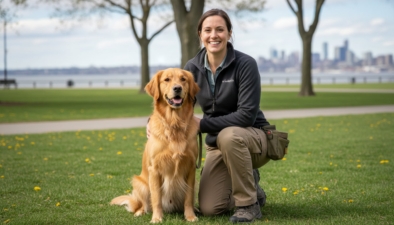
Your Complete Guide to Choosing a Dog Trainer in College Point
Living with a dog in College Point means navigating a unique mix of quiet residential streets, busy boulevards like 14th Avenue, and beautiful waterfront parks. Your dog needs to be a good neighbor here, from staying calm during sidewalk encounters to behaving politely in shared community spaces. Finding a trainer who understands the specific rhythms and rules of this Queens neighborhood is the first step to a happier life with your pet.
How to Choose the Right Trainer
Look for a professional dog trainer who uses *positive reinforcement* training and can tailor a program to your College Point lifestyle. This means your dog should learn to ignore delivery trucks, walk nicely on a leash past busy shops, and remain calm when kids are playing nearby. A trainer’s credentials offer insight into their education and commitment to humane methods. Look for certifications such as the CPDT-KA or KPA-CTP. For serious behavior issues like fear or aggression, a certification like the IAABC-CDBC indicates specialized knowledge.
Common Dog Training Methods Explained
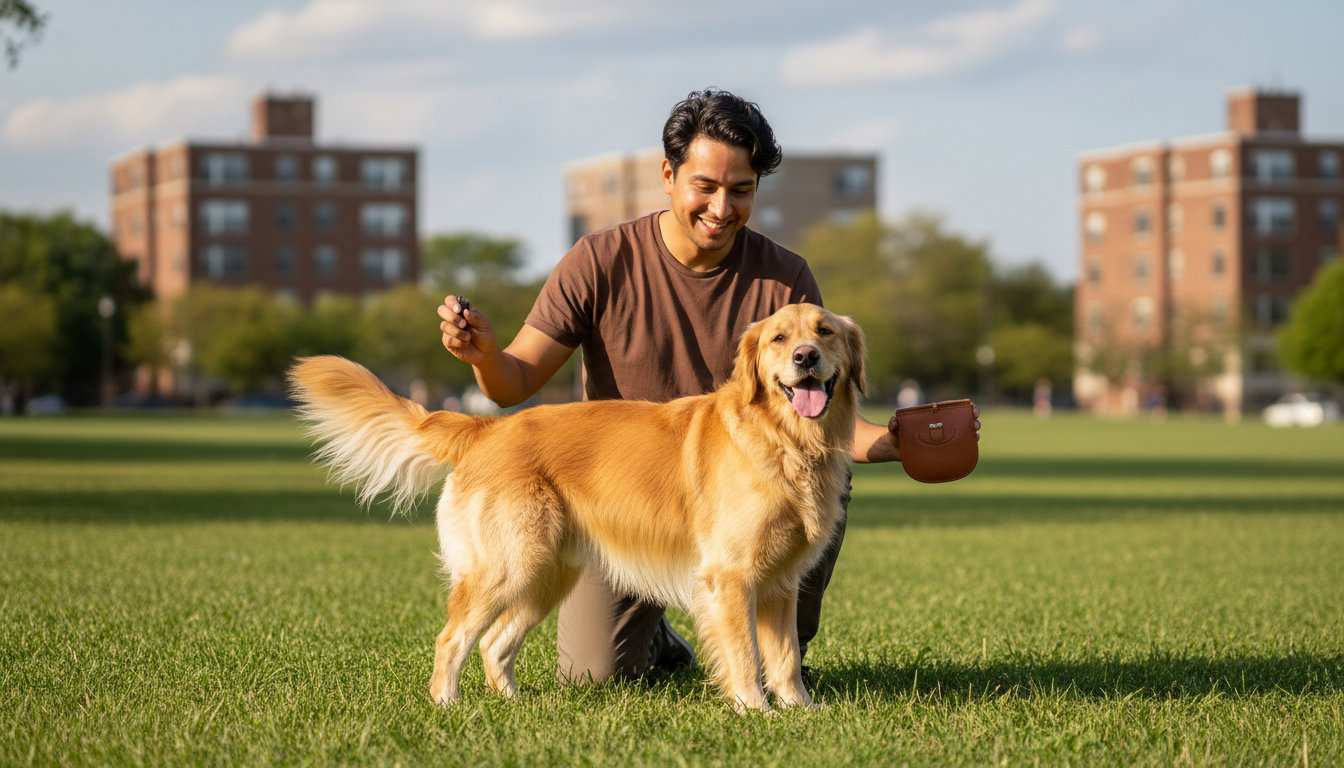
Modern, science-based training focuses on rewarding your dog for good choices. This builds a strong bond and is the most effective way to create a well-behaved dog who can thrive in a dense community. Basic obedience covers essential skills like sit, stay, come, and loose-leash walking. These are the foundations for safety and good manners in local parks and on walks.
Puppy training is crucial for setting up good habits early. It focuses on socialization, bite inhibition, potty training, and crate training. Starting young helps prevent future problems. Behavior modification addresses specific issues like reactivity on walks, separation anxiety, or resource guarding through careful, structured plans. This often requires a certified professional dog trainer with experience.
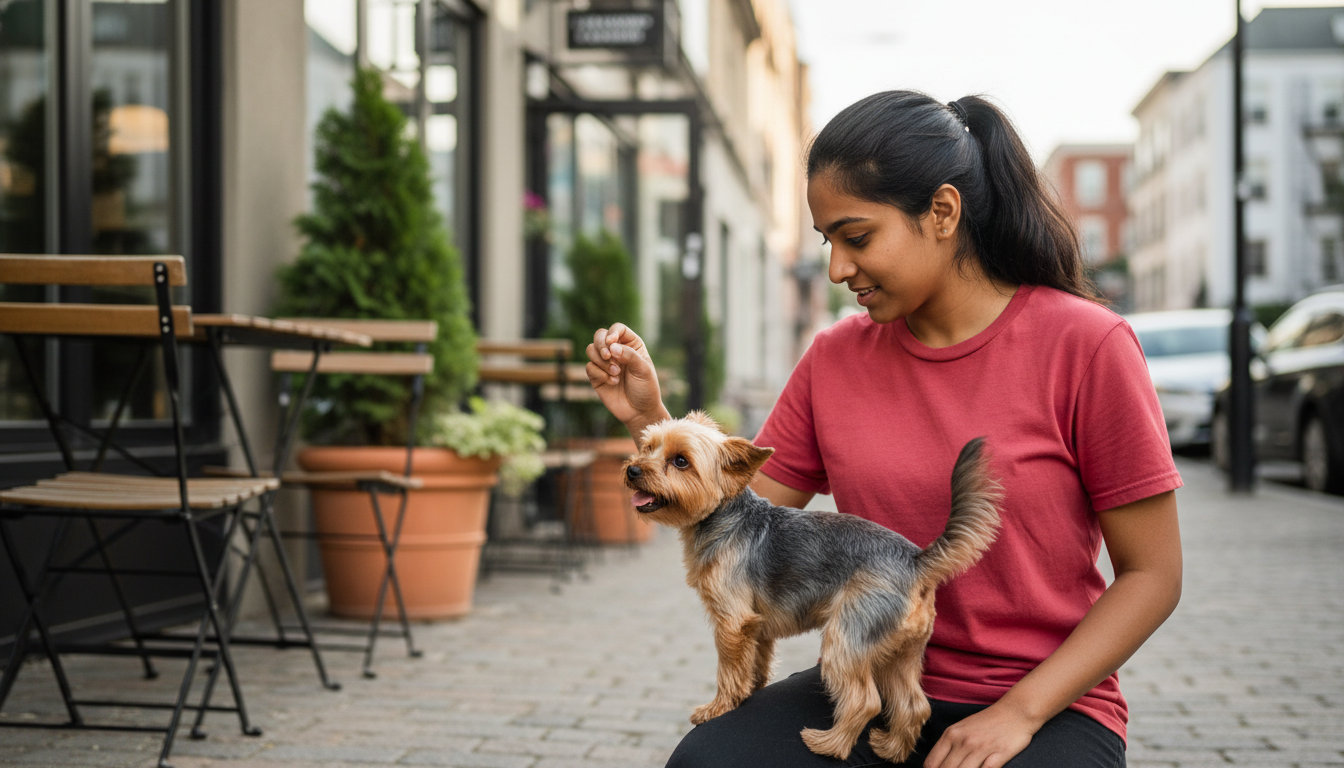
In-home dog training sessions are highly effective for addressing behaviors that happen in your specific environment, like jumping on guests or barking at hallway noises. Group classes provide a controlled setting to practice obedience around other dogs and people, which is vital for city living.
Average Cost of Dog Training in College Point, NY (Updated for 2026)
Pricing for dog training services in Queens reflects the higher cost of living in New York City. Costs vary based on the trainer’s experience, the type of service, and the complexity of your dog’s needs.
| Service Type | Average Cost (College Point/Queens) |
|---|---|
| Puppy Classes (6 weeks) | $200 – $350 total |
| Group Obedience Classes (6 weeks) | $225 – $400 total |
| Private Lessons (60 min) | $120 – $200 per session |
| In-Home Training Packages (4-6 sessions) | $500 – $1,200 total |
| Day Training (Trainer works your dog) | $600 – $1,200 per week |
| Behavior Consultation | $175 – $300 initial |
| Board and Train (2-3 weeks) | $2,500 – $5,500+ total |
Questions to Ask a Potential Dog Trainer
- What is your training philosophy, and can you explain how you use positive reinforcement?
- What professional certifications, like CPDT-KA, do you hold, and how do you continue your education?
- Can you create a custom training program for my dog’s challenges and my College Point routine?
- Do you offer in-home sessions, group classes, or both, and which do you recommend for my goals?
- What does your process look like for addressing specific issues like leash reactivity or separation anxiety?
- What are your total fees, and do you charge a travel fee for coming to College Point?
- Do you carry professional liability insurance?
- How will you help me maintain my dog’s training progress after our sessions end?
Local College Point Rules and Considerations
College Point follows New York City’s strict regulations for pets. Understanding these rules helps you be a responsible owner and informs the skills your dog needs to learn.
All dogs in public must be on a leash no longer than six feet unless in a designated off-leash area during permitted hours. New York City law requires all dogs to be licensed and have a current rabies vaccination. You must renew the license annually. The NYC Department of Health and Mental Hygiene enforces these rules.
Excessive barking that disturbs the peace can lead to noise violation complaints. Training for alert barking is important in close-quarter living. New York City has a mandatory “poop scoop” law. You must immediately clean up after your dog in any public place.
New York State does not require a specific license to be a dog trainer. However, any business operating in NYC should have the appropriate general business licenses and is strongly advised to carry liability insurance. Dog trainers who offer board and train services from their home may need to comply with NYC’s regulations for animal care facilities.
Local College Point Resources for Dog Owners
- MacNeil Park: This waterfront park offers leashed walks with beautiful views of the East River and the Whitestone Bridge. It’s a great spot for practicing leash skills with distractions.
- College Point Fields Multipurpose Path: The paths around the sports fields provide a good, open area for structured leashed walks and focus exercises.
- Fort Totten Park (in nearby Bayside): A historic site with trails where leashed dogs are welcome. It offers different environments for training around sights and sounds.
- Queens County Farm Museum (in Flushing): Allows leashed dogs on its grounds, providing a unique, distracting setting for training walks.
FAQs
How much does in-home dog training cost?
In College Point and surrounding areas of Queens, a single in-home session typically costs between $120 and $200. Most trainers offer package discounts for booking multiple sessions upfront.
Is in-home dog training worth it?
Yes, especially in a neighborhood like College Point. An in-home trainer can address behaviors exactly where they happen—like door-dashing, counter-surfing in your kitchen, or reacting to sounds in your apartment hallway. They can then take the training directly to your local sidewalk.
Can you pay someone to house train your dog?
Many trainers offer puppy programs that include a structured plan for potty training. Some day training services can also implement a consistent schedule to accelerate the house training process.
What is the 3-3-3 rule for dog training?
This is a general guideline for a newly adopted dog’s adjustment period: 3 days to decompress, 3 weeks to learn your routines, and 3 months to feel fully at home. A good trainer will design a program that respects this timeline.
How long will it take to reach my training goals?
For basic obedience and manners, you can see significant improvement within 4 to 8 weeks with consistent practice. More complex behavior modification for fear or reactivity often requires a longer-term commitment of several months.
What should I bring to group classes?
Bring a well-fitting collar or harness, a 6-foot leash, high-value treats, and your dog’s vaccination records as required by the training facility. Avoid retractable leashes.
What’s the leash law in College Point?
New York City law requires dogs to be leashed with a lead no longer than 6 feet in all public spaces, unless in a designated off-leash dog park during specified hours.
Do I need a dog license in College Point or county?
Yes. All dogs in New York City must be licensed with the NYC Department of Health. You must renew the license annually and keep the tag on your dog’s collar.
What shots does my dog need in county or NY?
New York City and State require a current rabies vaccination for all dogs over 4 months old. Your veterinarian will also recommend core vaccinations like distemper-parvo and bordetella based on your dog’s risk factors.
Are dog trainers required to be licensed in College Point or county or NY?
New York State does not have a specific license for dog trainers. They operate under standard business regulations. However, they must comply with all local NYC business licensing and, if providing boarding, may need an Animal Care Facility permit.
Where can I practice off-leash recall?
The safest and only legal places are designated NYC dog runs. The closest official off-leash areas are in larger parks in neighboring communities. Always check NYC Parks rules for designated hours.
Which dog parks allow training around College Point?
While College Point itself does not have a dedicated dog run, you can use designated off-leash areas in nearby parks during early morning or late evening hours for controlled training. Always verify current rules on the NYC Parks website.
What beaches or trails allow dogs for training?
Dogs are not permitted on NYC public beaches during the summer season. For leashed trail walks, Fort Totten Park in Bayside and Alley Pond Park in Oakland Gardens are excellent nearby options for building focus in natural environments.