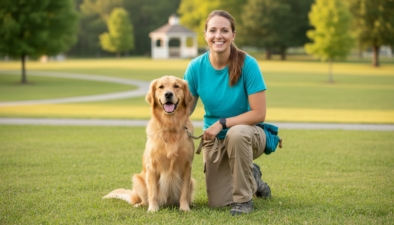
Your Complete Guide to Choosing a Dog Trainer in Heathsville and Surrounding Areas
Life with a dog in Heathsville often means quiet country roads, trips to the local Co-op, and enjoying the beautiful Northern Neck landscape. Your dog needs to be a good neighbor, whether they’re accompanying you on errands downtown, staying calm during summer festivals, or behaving politely on leashed walks along the Rice’s Hotel/Hughlett’s Tavern property.
Since Heathsville is the county seat of Northumberland County, local rules are generally set at the county level. Finding a dog trainer who understands this rural, community-focused environment can make all the difference in your success.
How to Choose the Right Trainer
Look for a professional who uses *positive reinforcement* training and can set practical goals for the Heathsville lifestyle. This means your dog should learn to walk nicely on a leash past historic buildings, remain calm around farm equipment or wildlife, and be a polite guest if you visit the nearby beaches.
Checking a trainer’s credentials helps you understand their background. Look for common dog trainer certifications like the CPDT-KA, which demonstrates a knowledge base in instruction and learning theory. For serious behavior issues, certifications such as the IAABC-CDBC or CBCC-KA indicate specialized education in behavior consulting.
In-home sessions are excellent for addressing behaviors that happen at home or on your property. Group classes can be valuable for socialization and practicing focus around other dogs, though they may require travel to a neighboring town.
Common Dog Training Methods Explained
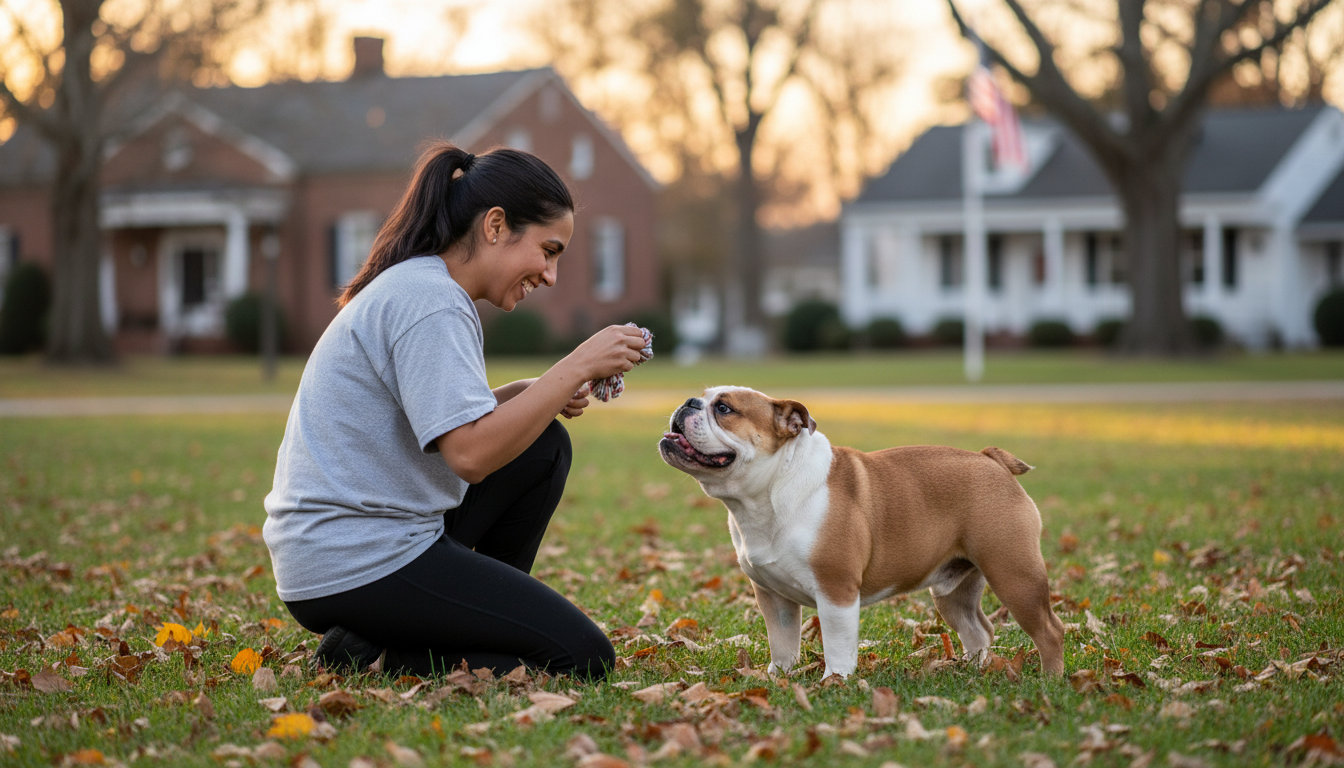
Modern, reward-based methods build a strong bond and create lasting change. They align well with keeping your dog safe and under control in a county with both residential areas and open spaces.
Basic obedience covers commands like sit, stay, come, and loose-leash walking. These skills are the foundation for any outing, whether it’s to the Northumberland County Courthouse grounds or a friend’s house.
Puppy training focuses on early socialization, bite inhibition, potty training, and crate acclimation. Starting early prevents problems and sets your puppy up for a confident life in a quieter community.
Behavior modification addresses issues like fear, reactivity, or separation anxiety through careful, positive techniques. A good trainer will have a structured plan to help your dog feel safer and act more calmly.
Private lessons allow for a customized training program focused on your specific goals and environment. Board and train programs, where the trainer works with your dog at their facility, are an option but require thorough vetting of the trainer’s methods and living conditions.
Avoid any trainer who relies on fear, intimidation, or pain to suppress behavior. These outdated methods can worsen problems, damage your relationship with your dog, and are unnecessary for effective learning.
Average Cost of Dog Training in Heathsville, VA (Updated for 2026)
Pricing in Northumberland County and the surrounding Northern Neck area is influenced by the trainer’s experience, travel distance, and the type of service. Most trainers service a wide region, so travel fees are common. Here is a general overview of current average costs.
| Service Type | Average Cost (Northumberland County Region) |
|---|---|
| Puppy Classes (4-6 week series) | $120 – $200 total |
| Group Obedience Classes (4-6 weeks) | $130 – $220 total |
| Private Lessons (60-90 minutes) | $80 – $140 per session |
| In-Home Coaching Packages (4-6 visits) | $350 – $700 total |
| Day Training (per week) | $400 – $800 |
| Initial Behavior Consultation | $120 – $200 |
| Board and Train (2-3 weeks) | $1,500 – $3,000 total |
Always ask what is included in the price, how progress is measured, and if the trainer offers a free phone consultation before committing.
Questions to Ask a Potential Dog Trainer
- What is your primary training philosophy, and how do you ensure sessions are positive for my dog?
- Do you hold any professional certifications, such as CPDT-KA, and do you pursue continuing education?
- How will you tailor the training program to my dog’s personality and our daily life in a rural area?
- What types of services do you offer, and which do you recommend for my goals?
- How do you handle dogs that are reactive to wildlife or unfamiliar vehicles on country roads?
- What are your total fees, including any travel charges for coming to Heathsville?
- Do you carry professional liability insurance?
- For behavior issues, are you willing to collaborate with my veterinarian?
Local Heathsville Rules and Considerations
Northumberland County ordinances are designed to protect pets, people, and livestock. Adhering to them is a key part of being a responsible dog owner in the community.
County law requires dogs to be under the owner’s control at all times. While a physical leash may not be mandated everywhere, your dog must be effectively controlled to prevent nuisance or danger. Using a leash is the simplest way to ensure compliance, especially in public spaces.
Virginia state law requires all dogs over four months old to be vaccinated against rabies by a licensed veterinarian. A rabies tag must be attached to the dog’s collar. Your vet will provide the necessary certificate and tag.
Excessive or continuous barking that disturbs neighbors can be considered a nuisance. Training can help manage alert barking, which is especially useful on larger properties where sounds carry.
Virginia does not require a specific state license to operate as a dog trainer. However, professional trainers should operate as a licensed business in the county. They should also carry liability insurance to protect themselves and their clients. There are no county-level certifications required for trainers.
Local Heathsville Resources for Dog Owners
These local spots provide excellent settings to practice training in real-world environments. Always follow posted rules and practice good etiquette.
- Heathsville Village Square & Farmers Market: A great controlled environment for practicing loose-leash walking and polite greetings during market hours (seasonal). Keep your dog leashed.
- Northumberland County Ball Fields: Use the perimeter areas during off-hours for structured leash work and distance training in a large, open space.
- Belle Isle State Park (Lancaster County): A short drive away, this park offers miles of leashed trail walking perfect for building focus around nature, water, and other visitors.
- Westmoreland State Park (Westmoreland County): Another nearby destination with dog-friendly hiking trails (leashed) along the Potomac River, excellent for proofing obedience in a distracting setting.
FAQs
How much does in-home dog training cost?
For trainers traveling to Heathsville, expect to pay between $80 and $140 per private in-home session. Many offer package discounts for booking multiple sessions at once.
Is in-home dog training worth it?
Yes, particularly in a rural area. The trainer can address behaviors exactly where they occur, such as door-dashing, manners with household guests, or reactivity to sights and sounds from your own property. They can also help you establish effective routines in your home environment.
Can you pay someone to house train your dog?
Yes. Many trainers include potty training as a core part of puppy programs. Some day training or board and train services can also establish a strong foundation, but you must be prepared to maintain the routine consistently afterwards.
What is the 3-3-3 rule for dog training?
It’s a guideline for a newly adopted dog’s adjustment: 3 days to decompress, 3 weeks to learn your routines, and 3 months to feel fully at home. A good training plan respects this timeline and builds trust gradually.
How long will it take to reach my training goals?
For basic obedience and manners, consistent practice over 4-8 weeks typically yields solid results. More complex behavior issues like fear or reactivity often require a longer-term commitment of several months for lasting change.
What should I bring to group classes?
Bring a well-fitting collar or harness, a 4-6 foot leash, plenty of high-value treats, and your dog’s vaccination records. Avoid retractable leashes in a class setting for everyone’s safety.
What’s the leash law in Heathsville?
Northumberland County requires dogs to be under the owner’s control at all times. While a physical leash may not be explicitly required in all unconfined areas, using a leash is the surest way to maintain control and prevent your dog from becoming a nuisance or stray. Leashes are required in all designated public parks and recreation areas.
Do I need a dog license in Heathsville or county?
Northumberland County does not issue a general pet license. The primary legal requirement is the state-mandated rabies vaccination and the associated rabies tag on your dog’s collar.
What shots does my dog need in county or Virginia?
Rabies vaccination is required by Virginia law. Your veterinarian will also recommend a core vaccine schedule, which includes distemper, parvovirus, and adenovirus. Bordetella may be suggested if your dog will be in group settings.
Are dog trainers required to be licensed in Heathsville or county or Virginia?
The state of Virginia does not have a specific license for dog trainers. Trainers should have a general business license to operate legally in Northumberland County. It is highly recommended that they carry professional liability insurance.
Where can I practice off-leash recall?
Due to leash control laws and wildlife concerns, practicing off-leash recall should only be done in securely fenced, private areas. Public off-leash dog parks are not currently available in immediate Heathsville.
Which dog parks allow training around Heathsville?
There are no dedicated public dog parks within Northumberland County. The closest options may be in neighboring counties like Lancaster or Westmoreland. Always verify current rules before visiting.
What beaches or trails allow dogs for training?
Leashed dogs are welcome on the trails at both Belle Isle State Park and Westmoreland State Park. These provide fantastic, distracting environments for practicing leash skills and focused attention around other park visitors and natural stimuli.