Your Complete Guide to Choosing a Dog Trainer in Park City
Life in Park City revolves around outdoor adventure, from summer trails in Round Valley to winter strolls down historic Main Street. Your dog needs to be a confident companion for all of it, whether navigating a busy farmers’ market or staying calm on a crowded resort shuttle. Finding a dog trainer who understands this active mountain lifestyle is key to a happy life together.
Park City is located in Summit County, and local regulations reflect a community that highly values public safety and environmental preservation. A professional dog trainer familiar with these rules can help you train a dog that’s not only well-behaved at home but also a respectful guest on our shared trails and in public spaces.
How to Choose the Right Trainer
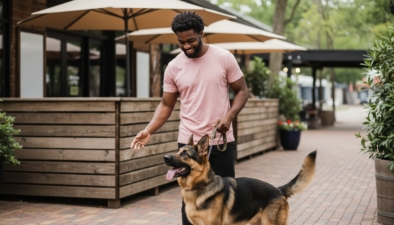
Look for a trainer whose methods align with a positive, science-based approach. This is especially important in Park City, where a dog’s ability to remain non-reactive around wildlife, cyclists, and other dogs on narrow trails is a safety must. Your training program should prepare your dog for real-world scenarios like patio dining, passing skiers carrying equipment, and quiet behavior in a condo or neighborhood with close neighbors.
Credentials offer a reliable way to gauge a trainer’s education and commitment. Look for certifications like the CPDT-KA or KPA-CTP for general obedience and puppy training. For more complex issues like fear or aggression, a credential such as the IAABC-CDBC indicates specialized knowledge in behavior modification.
Consider the format. In-home sessions are excellent for addressing specific household issues like counter-surfing or door-dashing, which are common in many Park City homes. Group classes provide controlled environments to practice manners around other dogs, a vital skill for local parks and events.
Common Dog Training Methods Explained
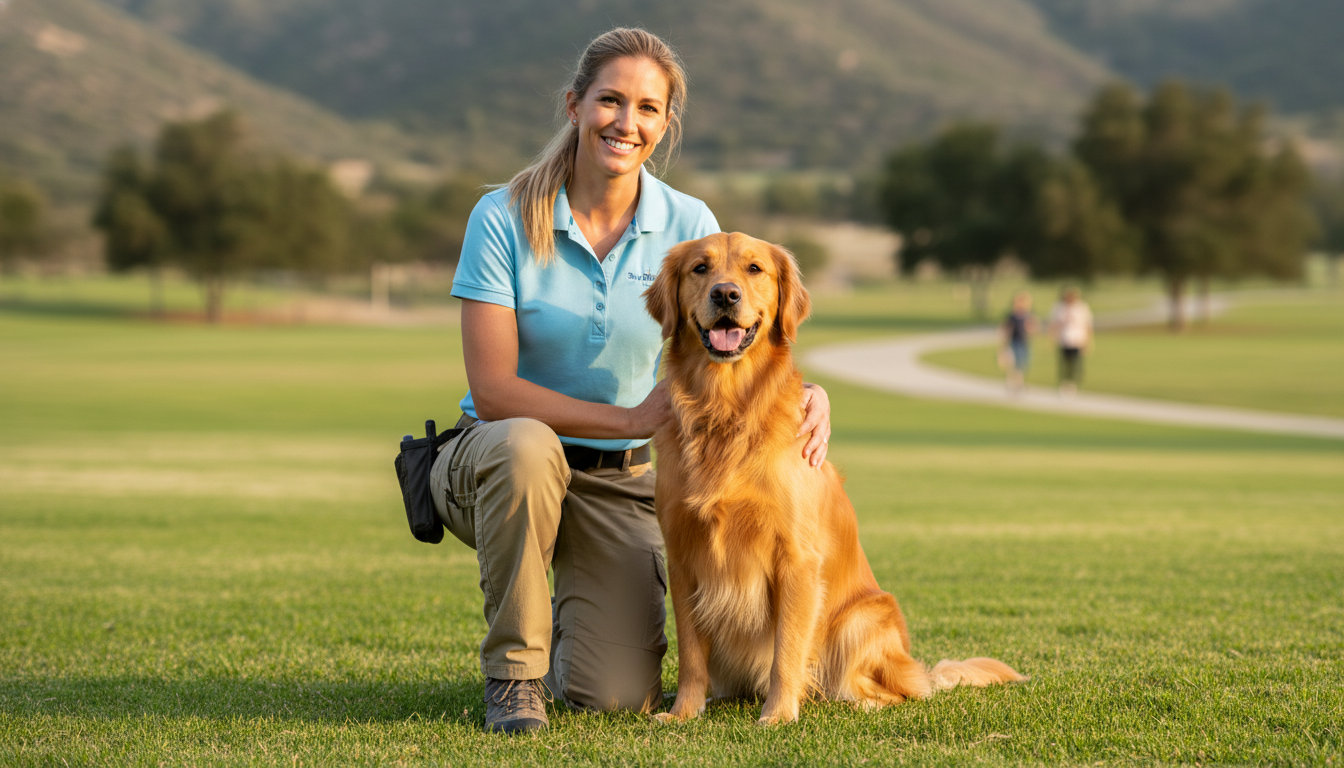
Modern dog training focuses on building trust and clear communication through positive reinforcement. This method is effective and humane, creating a dog that wants to listen and participate. It’s the best foundation for all the training your dog will need in our community.
Basic obedience covers essential cues like sit, down, stay, recall, and loose-leash walking. Mastering these ensures your dog can safely join you for a hike at Iron Mountain or relax outside a coffee shop.
Puppy training prioritizes early socialization, bite inhibition, potty training, and crate acclimation. Starting early prevents problems from becoming ingrained habits in your busy household.
Behavior modification addresses issues like leash reactivity, separation anxiety, or fear of loud noises (which can include snowmobiles or summer fireworks). This requires a careful, structured plan often developed in collaboration with your veterinarian.
Private lessons offer one-on-one attention for tailored goals, while group classes help proof behaviors around distractions. Day training or board and train programs can accelerate learning, but it’s crucial the trainer focuses on teaching you how to maintain the results.
Specialized training, such as service dog or therapy dog training, requires a trainer with specific experience in public access skills and the rigorous standards these roles demand.
Always avoid trainers who rely on fear, intimidation, or physical correction. These outdated methods can worsen behavioral problems, damage your bond with your dog, and are not suitable for a community that values humane treatment.
Average Cost of Dog Training in Park City, UT (Updated for 2026)
The cost of dog training services in Park City and Summit County reflects the area’s resort economy. Prices are generally at a premium compared to broader Utah averages. The following table outlines typical rates for 2026.
| Service Type | Average Cost (Park City/Summit County) |
|---|---|
| Puppy Classes (6 weeks) | $200–$350 total |
| Group Obedience Classes (6 weeks) | $220–$400 total |
| Private Lessons (60 min) | $120–$220 per session |
| In-Home Training Packages (4-6 sessions) | $500–$1,200 total |
| Day Training (5-day week) | $600–$1,100 per week |
| Behavior Consultation | $175–$300 initial visit |
| Board and Train (2-3 weeks) | $2,500–$5,500+ total |
Travel fees may apply for in-home services, especially to outlying areas like Jeremy Ranch or Pinebrook. Always clarify what is included in a package and the trainer’s policy on progress guarantees.
Questions to Ask a Potential Dog Trainer
- What is your primary training philosophy, and can you describe a typical session?
- What professional dog trainer certifications do you hold, and how do you pursue continuing education?
- How will you tailor a training program for my dog’s temperament and my specific goals for Park City living (e.g., trail etiquette, condo living)?
- What services do you offer (in-home, group classes, day training) and which do you recommend for my situation?
- How do you measure and track progress, and what is your policy if we hit a plateau?
- Can you provide a clear, written estimate and explain your cancellation policy?
- Do you carry professional liability insurance? Can I see a certificate of insurance?
- For behavior issues, are you willing to collaborate with my veterinarian or a veterinary behaviorist?
- What will my homework be between sessions to ensure consistency?
Local Park City Rules and Considerations
Park City and Summit County have specific ordinances designed to protect people, pets, and wildlife. A good trainer will help you navigate these rules seamlessly.
Dogs must be leashed and under physical control at all times when not on private property. This includes all trails, parks (except designated dog parks), and public sidewalks. Voice control is not a substitute for a leash in these areas.
Summit County requires all dogs to be vaccinated against rabies and to wear a current rabies tag. This is a state law, and compliance is essential for licensing and public safety.
Park City has nuisance ordinances regarding excessive barking. Consistent barking that disturbs neighbors can result in citations. Training for alert barking and separation anxiety is a proactive way to be a considerate community member.
Utah state law does not mandate a specific professional license for dog trainers. However, any trainer operating a business in Park City must have a standard city business license. If a trainer offers board and train services, their facility may be subject to county kennel regulations and inspections. Reputable trainers carry liability insurance to protect themselves and their clients.
Local Park City Resources for Dog Owners
These locations provide excellent environments to practice and proof your dog’s training in real-world settings. Always follow posted rules and practice good etiquette.
- Park City Dog Park (at Trailside Park): A fully fenced, double-gated park with separate areas for large and small dogs. Ideal for practicing recalls and polite play.
- Run-A-Muk Dog Park (in nearby Kimball Junction): A massive, off-leash area with trails and creek access. Perfect for advanced recall training in a more natural, stimulating environment.
- Round Valley Trail System: A vast network of trails where leashed dogs are welcome. Start on less-populated trails to practice focus before tackling busier routes.
- McPolin Farm: A popular historic site with open fields (dogs must be leashed). Great for practicing heeling and stays with scenic distractions.
FAQs
How much does in-home dog training cost?
In Park City, a single in-home dog training session typically costs between $120 and $220. Most trainers offer discounted packages of 4 to 6 sessions, which range from $500 to $1,200.
Is in-home dog training worth it?
Yes, particularly in Park City. In-home training allows you to address behaviors exactly where they happen—like jumping on guests in your condo, counter-surfing in your kitchen, or reacting to dogs walking past your home. The trainer can then transition lessons to your immediate neighborhood or complex.
Can you pay someone to house train your dog?
Yes. Many trainers offer puppy programs that include a structured potty training plan. Some day training services will also work on this skill as part of a broader program, teaching your dog the routine while coaching you on maintaining it.
What is the 3-3-3 rule for dog training?
This is a guideline for newly adopted dogs. It suggests it takes about 3 days to decompress from the stress of transition, 3 weeks to learn your household routines, and 3 months to feel fully at home. A good training plan respects this adjustment timeline.
How long will it take to reach my training goals?
For basic obedience and manners, most dogs show significant improvement within 6 to 8 weeks of consistent practice. More complex behavior modification, like reducing leash reactivity or severe anxiety, often requires a longer-term commitment of several months.
What should I bring to group classes?
Bring a well-fitting flat collar or harness, a standard 6-foot leash, high-value treats, and a water bowl. Your trainer will likely require proof of current vaccinations. Avoid retractable leashes for class safety.
What’s the leash law in Park City?
Park City has a strict leash law. Dogs must be on a leash no longer than 6 feet and under physical control in all public areas, including trails, parks, and sidewalks. The only exceptions are inside designated off-leash dog parks.
Do I need a dog license in Park City or Summit County?
Yes. Summit County requires all dogs to be licensed annually. You must provide a current rabies vaccination certificate to obtain the license. This helps animal control quickly identify your pet if they become lost.
What shots does my dog need in Summit County or Utah?
Rabies vaccination is legally required. Your veterinarian will also strongly recommend core vaccines (DHPP) and may suggest others like bordetella or leptospirosis based on your dog’s exposure risk on trails and around other dogs.
Are dog trainers required to be licensed in Park City or Summit County or Utah?
Utah does not have a state-level license for dog trainers. However, they must have a general business license from the city. Trainers who board dogs are subject to county kennel regulations.
Where can I practice off-leash recall?
The only legal places for off-leash activity are the fully fenced areas of the Park City Dog Park or the Run-A-Muk Dog Park. These provide safe, contained environments for practicing this vital skill.
Which dog parks allow training around Park City?
Both the Park City Dog Park at Trailside and the Run-A-Muk Dog Park in Kimball Junction allow training within their confines. It’s considerate to practice during less busy times if you need more space and focus.
What trails allow dogs for training?
Nearly all trails in the Park City area allow leashed dogs, making them perfect training grounds. Start on easier, wider trails like the McLeod Creek Pathway to practice focus before progressing to more challenging hikes like those in Round Valley.
Are there any breed-specific restrictions in Park City?
Park City and Summit County do not have breed-specific legislation (BSL). All dogs are subject to the same leash and nuisance laws regardless of breed or size.