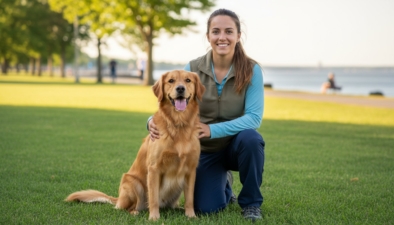
Your Complete Guide to Choosing a Dog Trainer in Whitestone
Life with a dog in Whitestone means enjoying the waterfront at Francis Lewis Park, strolling past historic homes, and navigating busy crosswalks along the Cross Island Parkway. A well-behaved dog makes these daily moments more enjoyable and keeps everyone safe in your densely packed neighborhood.
Whitestone is part of Queens County and falls under New York City’s comprehensive set of rules for pets. Finding a local trainer who understands these city-specific regulations and the unique dynamics of northeast Queens is key to your dog’s success. They can help you navigate everything from apartment living to the busy local parks.
How to Choose the Right Trainer
Start by looking for a professional who uses *positive reinforcement* training. This method is not only humane but also highly effective for city living where distractions are constant. Your dog needs to learn to ignore squirrels in the park, stay calm around loud traffic, and greet neighbors politely on the sidewalk.
Checking a trainer’s credentials is a smart way to gauge their expertise. Look for certifications like the CPDT-KA, which tests knowledge, or the KPA-CTP, which focuses on hands-on skills. For serious behavioral issues like aggression or severe anxiety, a trainer with a CBCC-KA or IAABC-CDBC credential is a must.
In-home sessions are excellent for tackling problems right where they happen, like door-dashing, jumping on guests, or barking at hallway noises. Group classes in a controlled setting can be a great next step to prepare your dog for the bustling environment of downtown Flushing or the Whitestone Farmers Market.
Common Dog Training Methods Explained
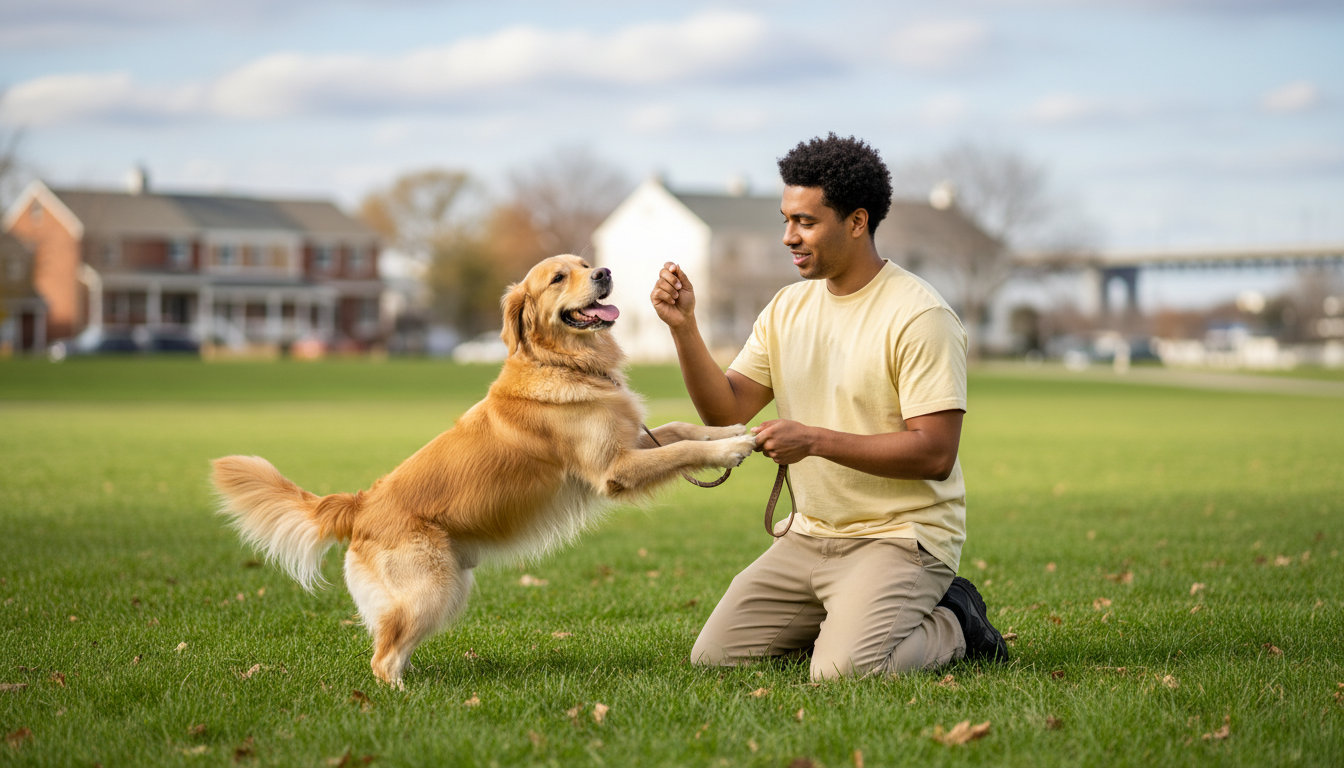
Humane, science-based training methods build a strong bond and lasting good behavior. These methods align perfectly with NYC’s expectations for responsible pet ownership in shared spaces.
Basic obedience covers essential cues like sit, stay, come, and loose-leash walking. Mastering these is non-negotiable for safe walks along Utopia Parkway or visits to local shops. Puppy training focuses on critical early skills like socialization, potty training, bite inhibition, and crate acclimation to set up a good life in your home.
Behavior modification addresses issues like leash reactivity, separation anxiety, or fear of city noises through careful, positive techniques. For complex cases, a qualified trainer will know to collaborate with your veterinarian. Private, in-home lessons allow for a fully personalized training program based on your family’s schedule and specific challenges.
Group classes provide a structured environment to practice obedience and manners around other dogs and people. Look for classes that manage the environment carefully to keep all participants safe and successful. Specialized training for therapy or service work requires a trainer experienced in the precise public access skills and task training needed for certification.
It is important to avoid any trainer who uses harsh corrections, intimidation, or tools designed to cause fear or pain. These outdated methods can worsen behavioral problems, damage your dog’s trust, and are unnecessary for achieving reliable results.
Average Cost of Dog Training in Whitestone, NY (Updated for 2026)
Pricing for dog training services in Whitestone and the greater Queens area reflects New York City’s cost of living. Costs vary based on the trainer’s experience, the type of service, and the complexity of your dog’s needs.
| Service Type | Average Cost (Whitestone/Queens) |
|---|---|
| Puppy Classes (6 weeks) | $200 – $350 |
| Group Obedience Classes (6 weeks) | $225 – $400 |
| Private In-Home Lesson (60 min) | $120 – $220 |
| Behavior Consultation (initial) | $175 – $300 |
| Multi-Session Package (4-6 lessons) | $500 – $1,200 |
| Day Training (per week) | $600 – $1,100 |
| Board and Train (2 weeks) | $2,500 – $5,500 |
Many trainers offer a free phone consultation to discuss your goals and provide a detailed quote. Always ask what is included in the price and if there are any additional travel fees for your specific location in Whitestone.
Questions to Ask a Potential Dog Trainer
- What is your primary training philosophy, and can you explain your methods?
- What professional dog trainer certifications do you hold, and how do you stay current with your education?
- Do you have experience with the specific challenges of NYC living, like apartment noise, elevator manners, or busy sidewalk etiquette?
- What does a typical training plan look like for my dog’s goals, and how do you measure progress?
- Do you offer in-home sessions, group classes, or both, and which do you recommend for my situation?
- Are you insured to conduct training in New York City public spaces if needed?
- What is your policy on working with my veterinarian, especially for behavior-related issues?
- What is your total fee structure, cancellation policy, and do you offer any guarantees?
Local Whitestone Rules and Considerations
New York City has clear, city-wide laws that all Whitestone dog owners must follow. These rules are in place to ensure safety and harmony in our shared community.
Dogs must be leashed with a leash no longer than six feet in all public spaces, including parks, unless in a designated dog run. This is strictly enforced. NYC law requires all dogs to be licensed with the Department of Health and Mental Hygiene (DOHMH). You must also have proof of a current rabies vaccination.
Excessive barking that disturbs the peace can lead to noise complaints. Training to manage alert barking is important, especially in close-quarter buildings and homes. Any trainer conducting commercial sessions in NYC parks must have the proper permits and insurance.
New York State does not require a specific license to be a dog trainer. However, all businesses must have the appropriate New York City business license. Trainers offering board and train services from their home may need to comply with NYC's regulations for animal care facilities.
Local Whitestone Resources for Dog Owners
These local spots offer great opportunities to practice training and provide enrichment. Always follow posted rules and practice good etiquette to keep these spaces welcoming.
- Fort Totten Dog Run: A popular, fenced area perfect for practicing off-leash recalls and socialization in a managed setting.
- Francis Lewis Park: Offers expansive lawns and waterfront paths for practicing long-leash skills and focus around distractions like bikes and picnickers.
- Alley Pond Park: A short drive away, this large park has numerous trails for building duration on leash walks and encountering varied environments.
- Queens County Farm Museum: Leashed dogs are welcome on the grounds, providing a unique setting for training around farm animals and children.
FAQs
How much does in-home dog training cost?
In the Whitestone area, a single private in-home lesson typically costs between $120 and $220. Most trainers offer discounted packages for multiple sessions, which is common for addressing behavior modification or comprehensive obedience training.
Is in-home dog training worth it?
For many Whitestone residents, it is extremely valuable. An in-home trainer can address specific issues in your apartment or house, like counter-surfing, doorbell reactions, or crate training. They can also immediately help you practice leash skills on your actual building lobby and neighborhood sidewalks.
Can you pay someone to house train your dog?
Yes. Many trainers offer puppy packages that include a customized potty training schedule and method. Some day training programs also incorporate house training as a core component, giving you a jump start on this essential skill.
What is the 3-3-3 rule for dog training?
It’s a general guideline for a newly adopted dog’s adjustment period. Allow 3 days to decompress from the stress of moving, 3 weeks to start learning your routine, and 3 months to feel fully settled and secure in their new home.
How long will it take to reach my training goals?
For basic obedience and good manners with a motivated dog, you can see significant improvement in 4 to 8 weeks with consistent practice. More complex behavior issues like reactivity or severe anxiety often require a longer-term commitment of several months.
What should I bring to group classes?
Bring a well-fitting harness or flat collar, a 4-6 foot leash, high-value treats, and a copy of your dog’s vaccination records if required by the trainer. Leave retractable leashes at home, as they are not suitable for training classes.
What’s the leash law in Whitestone?
New York City’s leash law applies. Dogs must be on a leash no longer than six feet in all public areas, including all parks and sidewalks. The only exception is inside officially designated and fenced dog runs.
Do I need a dog license in Whitestone or NYC?
Yes. All dogs in New York City must be licensed with the NYC Department of Health. You must renew the license annually and keep the tag on your dog’s collar at all times.
What shots does my dog need in NYC?
Rabies vaccination is legally required for all dogs over 4 months old. Your veterinarian will also strongly recommend core vaccines for distemper, parvovirus, and adenovirus, as well as bordetella for dogs that socialize or board.
Are dog trainers required to be licensed in NYC?
No specific “dog trainer” license exists. Trainers must operate a licensed business in NYC. Those who offer board and train services from a residential property may face additional zoning and kennel licensing regulations.
Where can I practice off-leash recall?
The only legal places for off-leash activity are inside fenced NYC dog runs, like the one at Fort Totten. This provides a safe, enclosed environment to practice this vital skill.
Which dog parks allow training around Whitestone?
The Fort Totten Dog Run is the primary local fenced area for off-leash play and training. The larger Astoria Park Dog Run or the smaller one in Francis Lewis Park (when open) are also nearby options for Queens residents.
What beaches or trails allow dogs for training?
Leashed dogs are welcome on the paths at Francis Lewis Park and the many trails in Alley Pond Park. While not a beach, the Whitestone waterfront provides a great walking route with distractions to proof your dog’s training.