
Your Complete Guide to Choosing a Dog Trainer in Woodstock and Surrounding Areas
Life with a dog in Woodstock means enjoying quiet country roads, scenic state forests, and a close-knit community. Your dog needs to be a good neighbor, whether that means walking politely past historic farms, ignoring wildlife on the trails, or being calm during visits to Roseland Park. Finding a local trainer who understands this rural yet community-focused lifestyle is key to your success.
Since Woodstock is located in Windham County, local rules follow both town ordinances and state guidelines. A trainer familiar with this area can help you navigate everything from leash laws on the Air Line Trail to managing a dog’s natural instincts in a setting full of squirrels and deer.
How to Choose the Right Trainer
Look for a professional dog trainer who uses *positive reinforcement* training and can tailor a plan for life in Northeastern Connecticut. This means your dog should learn to respect livestock you might pass, come when called even with distractions in the woods, and be comfortable with the quiet solitude that can sometimes lead to boredom or alert barking.
Credentials are a reliable way to gauge a trainer’s education. Common dog trainer certifications include the CPDT-KA for knowledge assessed, the KPA-CTP for hands-on skills, or the IAABC-CDBC for complex behavior cases. For serious issues like aggression, a CBCC-KA certification is a strong indicator of expertise.
In-home sessions are excellent for addressing specific household issues, while group classes provide vital practice around other dogs and people, which is important before heading to busier local spots.
Common Dog Training Methods Explained
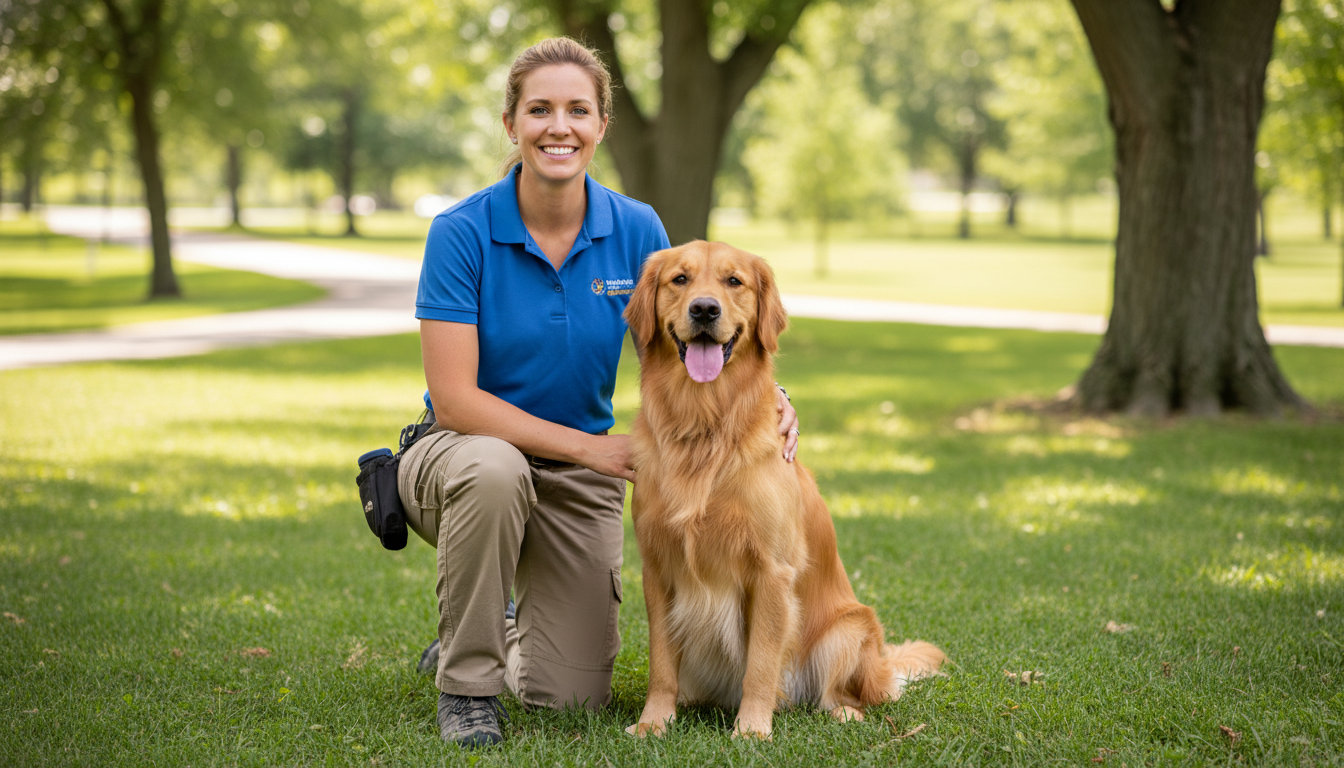
Modern, reward-based methods build a trusting relationship with your dog and create lasting behavioral change. This approach aligns perfectly with Connecticut’s emphasis on responsible pet ownership and control.
Basic obedience training**** covers sit, down, stay, come, and loose-leash walking. These skills are the foundation for safe walks down Woodstock’s rural routes and polite behavior at outdoor community events.
Puppy training focuses on critical early socialization, potty training, bite inhibition, and crate training. Starting early helps prevent issues before they become ingrained habits.
Behavior modification addresses problems like fear, reactivity, separation anxiety, or resource guarding through careful, structured plans. For dogs with strong prey drive—common in this area—a trainer can develop specific management and training strategies.
Private lessons offer personalized attention for your dog’s unique needs. Day training programs can accelerate learning if your schedule is busy. Group classes are ideal for proofing skills around distractions in a controlled setting.
Average Cost of dog training in Woodstock, CT (Updated for 2026)
Pricing in Windham County reflects the trainer’s experience, session length, and program type. Here is an average look at costs for dog training services in the Woodstock area.
| Service Type | Average Cost (Woodstock/Windham County) |
|---|---|
| Puppy Class (6 weeks) | $140–$220 |
| Group Obedience Class (6 weeks) | $160–$250 |
| Private Lesson (60 min) | $90–$140 |
| In-Home Package (4-6 sessions) | $400–$750 |
| Day Training (per week) | $400–$800 |
| Behavior Consultation | $120–$200 |
| Board and Train (2 weeks) | $1,800–$3,200 |
Many trainers offer a free consultation to discuss your goals. Always ask what is included in the price and if there are travel fees for their service area.
Questions to Ask a Potential Dog Trainer
- What is your primary training philosophy, and how do you use positive reinforcement?
- What professional certifications, like CPDT-KA or KPA-CTP, do you hold?
- How will you customize a training program for my dog’s personality and our Woodstock lifestyle?
- Do you have experience with common local challenges, like wildlife distraction or alert barking in quiet neighborhoods?
- What does your typical plan look like for [your specific goal, e.g., leash reactivity, recall]?
- What are your fees, package options, and cancellation policy?
- Do you carry professional liability insurance?
- For behavior issues, are you willing to collaborate with my veterinarian?
Local Woodstock Rules and Considerations
Woodstock and Connecticut have clear regulations to ensure public safety and animal welfare. Responsible training helps you comply easily.
Dogs must be leashed and under control in all public spaces unless in a designated off-leash area. A reliable recall is crucial for safety on rural properties, but leashes are legally required on trails and in parks.
Connecticut state law requires all dogs over 6 months old to be vaccinated against rabies and to wear a rabies tag on their collar. Town clerks can provide dog license information, which is also required in Connecticut.
Excessive barking that disturbs the peace can be considered a nuisance. Training can help manage alert barking, which is important in Woodstock’s quiet residential areas.
The State of Connecticut does not require a specific license to be a dog trainer. However, any trainer operating a business in Woodstock must have a general local business license. Trainers offering board and train services must comply with state kennel regulations and are subject to inspection.
Professional liability insurance is a critical sign of a legitimate business, protecting you, the trainer, and the public.
Local Woodstock Resources for Dog Owners
These local spots provide excellent settings to practice training in real-world environments. Always follow posted rules and practice good etiquette.
- Roseland Park: While not a dedicated dog park, this large, popular park allows leashed dogs and is a great place to practice obedience around mild distractions like families and picnickers.
- Air Line State Park Trail: This multi-use trail running through the region is perfect for building your dog’s focus and endurance on long, leashed walks amidst natural scenery.
- West Thompson Lake Dam & Recreation Area: A short drive away, this Corps of Engineers site offers leashed trail walking with water views, excellent for distraction training.
- Windham County 4-H: While not a training organization, 4-H may offer youth-focused dog programs that emphasize responsible care and basic skills.
- Woodstock Dog Owners Group: Local social media groups often organize informal meet-ups where you can practice polite greetings in controlled settings.
FAQs
How much does in-home dog training cost?
In the Woodstock area, a single in-home session typically costs between $90 and $140. Most trainers offer discounted packages for multiple sessions.
Is in-home dog training worth it?
Yes, especially for addressing behaviors that only happen at home, like door-dashing, counter surfing, or specific anxiety triggers. It also allows the trainer to see your dog’s environment and give you tailored advice.
Can you pay someone to house train your dog?
Many trainers include house training in their puppy programs. Some day training services can also establish a consistent routine to speed up the process, while teaching you how to maintain it.
What is the 3-3-3 rule for dog training?
This is a guideline for adopted dogs: 3 days to decompress, 3 weeks to learn your routines, and 3 months to feel at home. A good trainer will design a plan that respects this adjustment period.
How long will it take to reach my training goals?
For basic obedience with a cooperative dog, you may see solid results in 6-8 weeks with consistent practice. More complex behavior modification for fear or reactivity often requires a commitment of several months.
What should I bring to group classes?
Bring a standard 6-foot leash, a well-fitted collar or harness, high-value treats, and your dog’s vaccination records. Avoid retractable leashes for class safety.
What’s the leash law in Woodstock?
Woodstock enforces a leash law. Dogs must be on a leash and under the owner’s control in all public areas, including parks and trails, unless in a designated off-leash zone.
Do I need a dog license in Woodstock or county?
Yes. Connecticut state law requires all dogs 6 months and older to be licensed annually in their town of residence. You must provide proof of a current rabies vaccination to obtain the license from the Town Clerk.
What shots does my dog need in county or Connecticut?
Rabies vaccination is legally required. Your veterinarian will also recommend a core vaccine schedule (like DAPP) and may suggest others like Lyme or Bordetella based on your dog’s exposure risk in this tick-prevalent region.
Are dog trainers required to be licensed in Woodstock or county or Connecticut?
No specific “dog trainer” license exists. Trainers must have a standard local business license. If they board dogs, their facility must be licensed as a kennel by the Connecticut Department of Agriculture.
Where can I practice off-leash recall?
Use a securely fenced private yard. There are no public, fenced off-leash dog parks within Woodstock town limits, so practicing in fully enclosed private spaces is essential for safety and legality.
Which dog parks allow training around Woodstock
While Woodstock itself does not have a public dog park, trainers may use private properties or client homes for off-leash work. Always confirm where training sessions will be held.
What beaches or trails allow dogs for training?
Leashed dogs are welcome on most state park trails, like the Air Line Trail or at West Thompson Lake. These are excellent for practicing structured walks and focus around natural distractions.
How can I address my dog’s high prey drive in a rural area?
A professional trainer can teach you strong management tools (like leashes and fences) and reliable cues like “leave it” and a solid recall. They will help build impulse control in gradual, safe steps.
Can I train my dog in Woodstock’s town parks?
You may train your leashed dog in town parks like Roseland Park. For conducting commercial training sessions there, a trainer would likely need to check with town officials about any permit requirements.